
- Australia’s Bureau of Meteorology has declared that El Niño is underway in the tropical Pacific and could intensify into one of the strongest events since 1950.
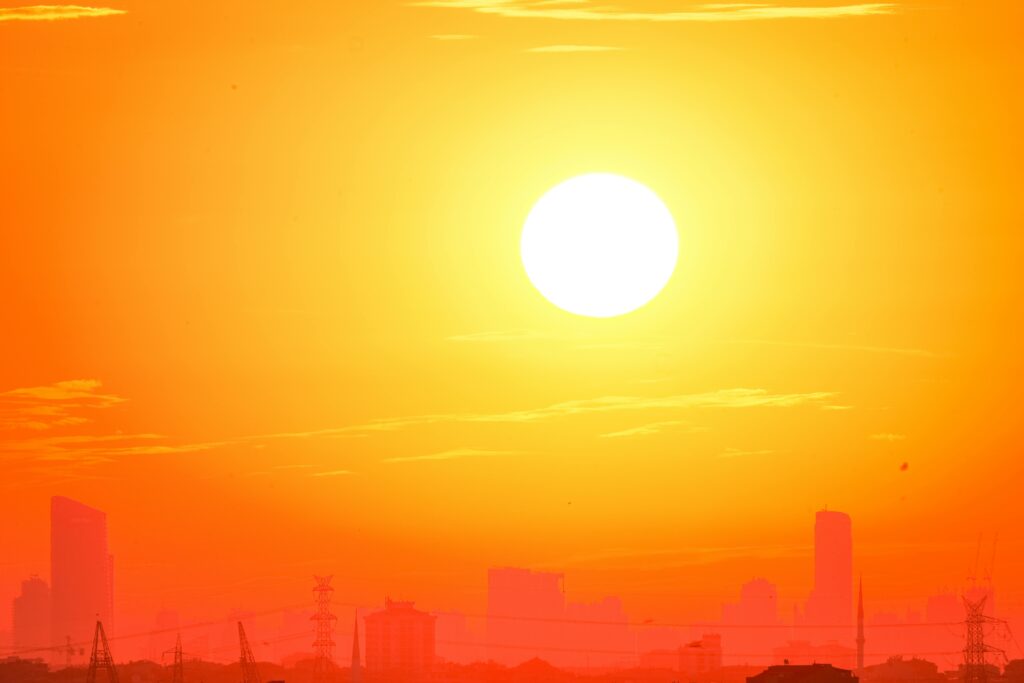
- Forecasters warn of hotter, drier conditions across parts of Asia and Australia, and heavier rainfall in parts of the Americas.
- For businesses, the main risks are food-price pressure, agricultural disruption, hydropower volatility and heightened exposure to extreme weather.
A potentially powerful El Niño has formed in the tropical Pacific, raising the risk of weather disruption across agriculture, energy and commodity markets during the second half of 2026.
Australia’s Bureau of Meteorology this week said that sea surface temperatures in the central tropical Pacific are above El Niño thresholds and that atmospheric indicators are now aligning with an El Niño state.
The Bureau warned that forecasts point towards a strong to very strong event, with around half of climate models suggesting it could peak among the highest levels observed since 1950. It also cautioned, however, that a strong ocean signal does not automatically translate into severe impacts in Australia because other climate drivers, including the Indian Ocean Dipole and Southern Annular Mode, also shape regional conditions.
Reuters reported that the event could bring excessive rain to the Americas and hot, dry conditions in Asia, where crop planting is already being disrupted. The agency noted that El Niño is particularly important for Australia because the country is one of the world’s largest exporters of wheat, sugar and beef.
The previous El Niño in 2023/24 contributed to Australia’s driest three-month period on record, while the 2015/16 event brought widespread drought and reduced grain and oilseed output.
The declaration follows warnings earlier this month from the World Meteorological Organization, which said there was an 80% likelihood of El Niño during June-August 2026 and a probability near or above 90% that it would continue until at least November.
WMO said El Niño typically increases global temperatures and drives more extreme weather and rainfall patterns, while secretary-general Celeste Saulo warned governments and climate-sensitive sectors to prepare for drought, heavy rain and heatwaves.
The business implications are immediate. El Niño can damage harvests, restrict water availability, hit livestock production and affect shipping, insurance and energy demand.
For energy markets, the picture is mixed but material. Dry conditions can reduce hydropower output in affected regions, while heatwaves increase cooling demand and put pressure on grids. Heavy rainfall can also disrupt mining, transport and infrastructure. In Asia, hotter and drier conditions could add strain to power systems already managing rising demand from electrification and industrial growth.
WMO does not say climate change necessarily increases the frequency or intensity of El Niño events, but that a warmer atmosphere and ocean can amplify associated impacts, including heatwaves and heavy rainfall.
Overall, this is a global story with domestic consequences. The UK may not sit at the centre of the strongest El Niño impacts, but it will feel them through food prices, insurance markets, supply chains and energy commodities. After several years of geopolitical price shocks, the return of a strong climate shock is another reminder that resilience is now a core commercial issue, not a sustainability side note.