
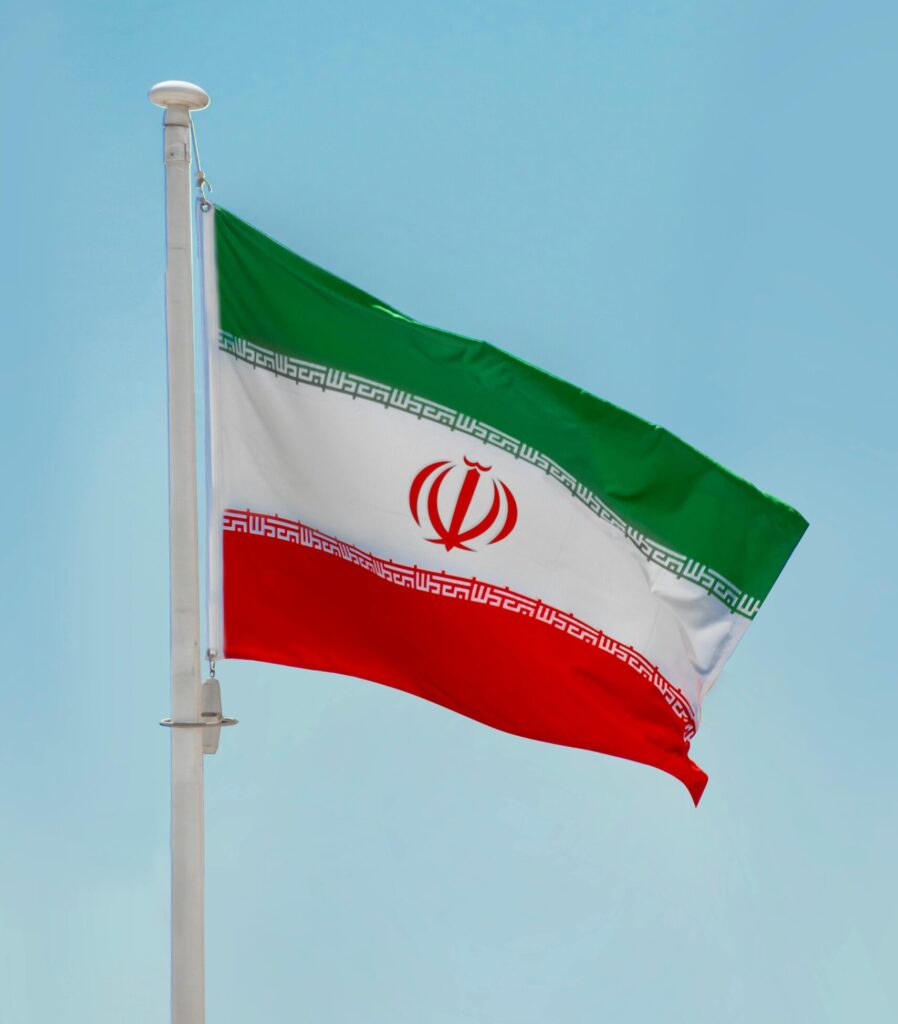
- A 14‑point memorandum has extended the US‑Iran ceasefire and reopened the Strait of Hormuz, allowing a handful of tankers to transit for the first time since February.
- Despite the partial reopening, mines and damaged infrastructure mean pre‑war oil flows may not resume fully until late 2027; about 93 million barrels of non‑Iranian crude and 72 million barrels of Iranian crude remain stranded.
- At the G7 summit, Donald Trump declared the memorandum was “not a final deal” and threatened to resume bombing Iran if Tehran misbehaves; he insisted any relief would come only after a permanent agreement and predicted a further drop in oil prices.
The partial reopening of the Strait of Hormuz has offered global oil markets a moment of relief, but it is a fragile one.
On Thursday, three Saudi‑flagged supertankers carrying roughly six million barrels of crude oil became the first major vessels to transit the strait after the US and Iran signed a 14‑point memorandum that extends the ceasefire and allows toll‑free passage.
Analysts estimate about 93 million barrels of non‑Iranian crude and 72 million barrels of Iranian crude have been stranded in the Gulf since February; their release could gradually boost supply once clearance and mine‑sweeping operations are complete.
Even so, the return of pre‑war volumes is far from assured. Shipping and insurance firms say it will take months to clear mines, repair damaged navigation aids and restore confidence. The International Energy Agency notes that flows may not reach pre‑war levels until late 2027 because maritime security, spare tankers and damaged refineries need time to recover.
In the meantime, Middle Eastern producers have used ship‑to‑ship transfers off the coasts of the United Arab Emirates and Oman to move crude, boosting flows to about 12 million bpd.
Politics may yet derail the agreement. At the G7 summit in Evian, France, US president Donald Trump – who negotiated the memorandum alongside Pakistani and Qatari mediators – described it as “not a final deal” and said he would not hesitate to resume bombing if Iran “doesn’t behave”.
Trump stressed that sanctions relief would only come after Tehran accepts tougher nuclear restrictions and cedes control of the strait to a neutral international body. Tehran, for its part, insists that it and Oman should jointly regulate passage, while Israel continues to launch strikes against Hezbollah targets in Lebanon, threatening the deal’s viability.
Structural vulnerabilities
Markets have responded warily. Brent crude initially slid below $78 per barrel as traders priced in the prospect of additional supply, but then gained almost 1% when Trump’s comments sowed doubt.
The IEA forecasts supply will increase by eight million bpd through 2027 against demand growth of just two million bpd. If the strait remains open, this glut could replenish depleted strategic reserves and temper prices. However, analysts caution that releasing millions of barrels quickly could cause further market volatility and pressure Middle Eastern crude prices.
For the UK, which imports roughly half its crude, the reopening is a double‑edged sword. On one hand, it reduces the immediate risk of physical shortages and supports the government’s decision to hold interest rates steady despite persistent inflation.
On the other, the fragile truce underscores the need for energy diversification and strategic reserves. UK refiners and traders should prepare for further volatility as negotiations continue.
The bigger picture is that the war has revealed structural vulnerabilities in global oil supply: narrow chokepoints, limited redundancy and a reliance on political goodwill. Even if the current ceasefire holds, ensuring long‑term security of supply will require investments in alternative shipping routes, domestic production and demand‑side measures. The strait’s reopening has bought time – but it has not bought certainty.