
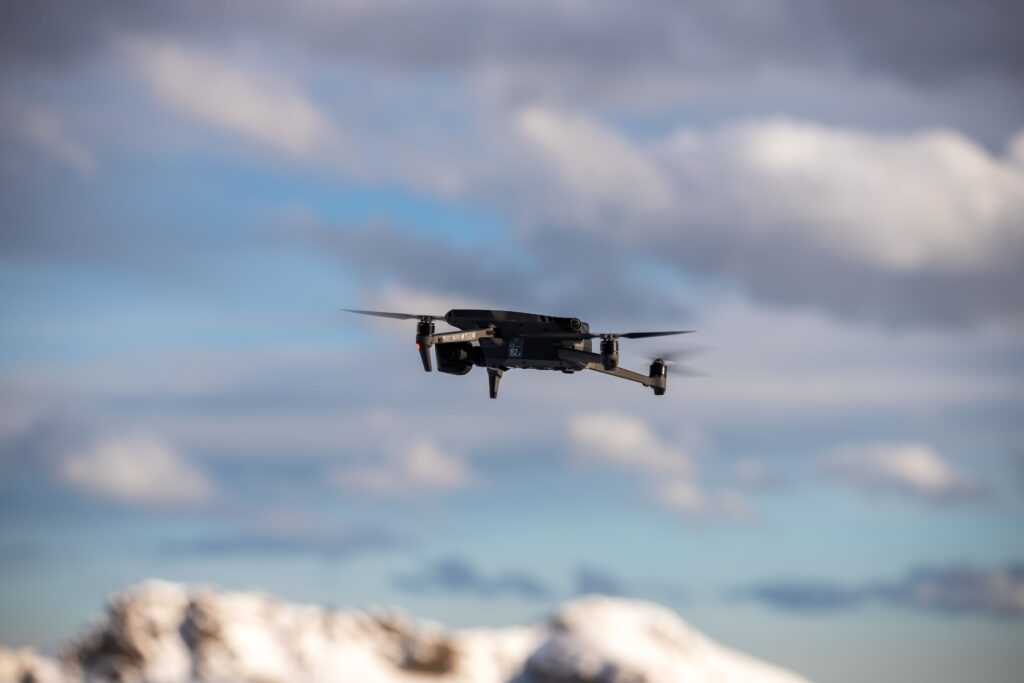
- Months of Ukrainian drone attacks on Russian oil refineries have knocked out about 14% of the country’s refining capacity, prompting petrol and diesel shortages across multiple regions.
- The Russian government is considering importing gasoline by sea and offering subsidies to cap prices. Authorities have already banned gasoline exports until the end of July and are discussing purchasing supplies from Asia.
- In the Crimea, the Sevastopol administration has shortened shop hours, curtailed public transport and banned mass outdoor events to conserve fuel.
Russia, one of the world’s largest fuel exporters, now finds itself contemplating an uncomfortable reversal: importing gasoline to keep domestic pumps flowing.
After months of Ukrainian drone attacks crippled some of its largest oil refineries and clogged pipelines, Moscow faces tightening supplies and the prospect of social unrest. To avert shortages at petrol stations, the government is weighing rare seaborne imports from Asia and subsidies to cap retail prices.
The fuel crunch stems from a string of Ukrainian strikes that have damaged Russia’s refining capacity. LSEG data suggest the attacks have taken roughly 14 % of Russia’s gasoline output offline since early 2024, with several plants undergoing repairs.
As a result, domestic supplies have tightened and seaborne exports of oil products from Russia’s western ports have slumped 15 % compared with last year. The government responded by imposing a temporary ban on gasoline exports through July to prioritise domestic needs.
But with summer travel season boosting consumption, regional shortages are mounting. Local authorities in at least 11 regions have imposed sales limits on fuel, while prices at independent filling stations have surged.
In Crimea – a region annexed by Russia in 2014 and reliant on supplies from the mainland – the Sevastopol administration has introduced stringent measures: public transport runs only during peak hours, supermarkets and cafes must close by 8 pm, and outdoor public events are banned. The restrictions recall wartime rationing and underscore the severity of the shortage.
Moscow weighs imports and subsidies
In response, Deputy Prime Minister Alexander Novak has convened officials and industry executives to discuss seaborne imports, likely from refineries in China, India or the Middle East.
Such imports would be highly unusual for Russia, which typically exports millions of tonnes of refined products and has not imported gasoline by sea for more than two decades. The government is also considering subsidies for refiners and retailers to cap pump prices, which have risen despite price controls.
The prospect of Russian fuel imports has implications far beyond the country’s borders. China and India are significant buyers of discounted Russian crude; diverting refined products toward Russia could tighten supplies elsewhere in Asia.
For European markets, Russia’s export curbs may support diesel prices just as the region prepares for winter. Moreover, the situation illustrates how drone warfare is reshaping global energy flows: Ukraine’s targeted strikes have succeeded in temporarily disrupting the refining system of a major energy power.
For the UK, the direct impact is limited – Britain phased out imports of Russian oil products in 2022 – but global product prices are sensitive to disruptions in large exporting nations. Analysts caution that if Russia’s fuel shortages persist into winter, competition for middle distillates could intensify, pushing up heating and transport costs across Europe.
As of now, Moscow insists the situation is under control and expects repaired refineries to resume operations by August. Whether imports materialise will depend on logistics, sanctions considerations and domestic politics. But Russia’s scramble to secure gasoline demonstrates how warfare can upend even the energy landscape of an export powerhouse.