
- Berlin is planning €13.3 billion of energy cost relief for businesses and households in 2027, €2.5 billion more than this year.
- Grid fee support, carbon cost compensation and a subsidised industrial power price dominate the package.
- The money comes with a significant opportunity cost: other uncommitted climate programmes face 30% cuts.
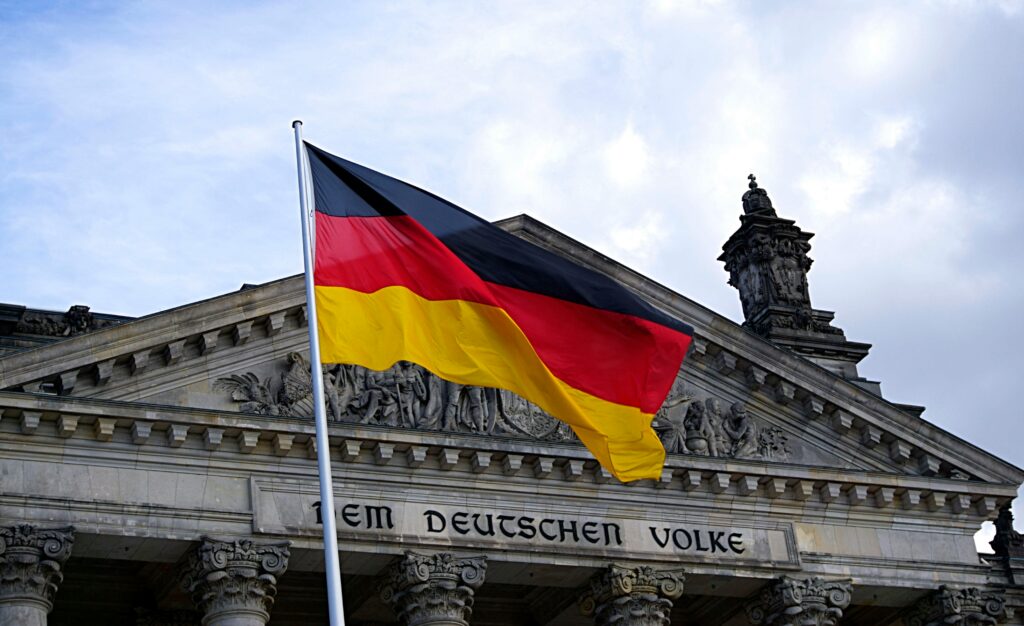
Germany plans to spend €13.3 billion shielding consumers and industry from high energy costs next year, intensifying Europe’s use of state support to protect manufacturing from the fallout of the Middle East conflict and long-standing power price disadvantages.
The proposed package will be financed through Germany’s Climate and Transformation Fund (KTF). More than €5.5 billion is allocated to electricity network charges, €5 billion to power price compensation and approximately €2.5 billion to the country’s industrial electricity price scheme.
The plan remains subject to parliamentary approval, with the KTF economic plan expected to pass alongside the federal budget at the end of November.
German manufacturers had complained about uncompetitive electricity prices before the latest energy shock. The Iran war and disruption to Middle Eastern energy flows have intensified those pressures across chemicals, steel, automotive manufacturing and other energy-intensive sectors.
Germany has already used KTF funding to suppress network costs. A €6.5 billion subsidy for 2026 was expected to reduce transmission charges from 6.65 cents to 2.86 cents per kilowatt-hour. Household electricity prices had remained about 20% above their pre energy crisis level, while grid fees, taxes and levies had become an increasingly important part of the bill.
The industrial electricity price scheme is more targeted. It provides temporary support to energy-intensive companies, alongside an existing compensation mechanism intended to offset the indirect electricity costs of carbon pricing. Brussels agreed in June that qualifying businesses could receive support from both mechanisms, increasing the expected cost to the German budget.
The relief, however, will absorb money that might otherwise have funded the technologies and infrastructure needed to reduce energy costs permanently.
Total KTF spending is planned at €40.3 billion in 2027, of which €22.5 billion has already been earmarked for modernisation projects. The finance ministry has said funding for uncommitted programmes will generally be cut by 30%, although some will be exempt. EV transition support will be reduced by €200 million through 2029, while existing contractual commitments will be protected.
A further €2.7 billion of emissions-trading revenue that would normally flow into the fund will be transferred to the main federal budget next year. The cumulative transfer is expected to reach €13.2 billion by 2030.
Climate finance role
The proposed diversion of funds has drawn criticism from utilities, environmental organisations and industrial groups. Clean Energy Wire reported concerns that moving carbon revenue into the core budget would weaken both investment certainty and public acceptance of emissions trading. EU rules require member states to devote ETS revenue – or an equivalent value – to climate and energy purposes, meaning Berlin must still demonstrate equivalent expenditure elsewhere.
The package illustrates the changing function of European climate finance. Instead of concentrating solely on infrastructure, clean technology and emissions reduction, climate funds are increasingly being used to cushion the near-term costs of energy and carbon policy.
That may be a good strategy during genuine price shocks. A temporary industrial tariff can prevent viable plants from closing before lower-cost renewable generation and grids arrive. Subsidised network charges can also strengthen political support for electrification.
But repeated relief risks becoming structural. It weakens the incentive to reduce consumption, shifts costs onto taxpayers and creates uncertainty for the transition programmes cut to accommodate it.
British manufacturers already argue that they face some of the developed world’s highest industrial electricity prices. Germany’s package could add pressure for equivalent UK action – whether through levy reform, network cost support or targeted power price relief.
The more important lesson is that relief should be tied to an exit route. Subsidising today’s electricity bill without accelerating clean generation, grids, flexibility and industrial efficiency merely converts an energy cost problem into a continuing fiscal liability.