
- IEA executive director Fatih Birol has warned that global energy security will deteriorate unless flows through the Strait of Hormuz recover within weeks.
- A record 400mn barrel emergency release has moderated the shock but cannot replace a shipping route that carried around 20 million barrels/day.
- The crisis strengthens the strategic case for electrification, efficiency and diversified supply, including in the less directly dependent UK.
The world should be concerned about energy security unless oil flows through the Strait of Hormuz improve within the next few weeks, International Energy Agency (IEA) executive director Fatih Birol has warned.
Speaking at a Council on Foreign Relations event, Birol said oil security remained a critical problem despite emergency stock releases and higher production elsewhere, Reuters reported. The strait has been largely closed since conflict involving Iran began on 28 February, with renewed attacks and shipping restrictions undermining an interim effort to restore traffic.
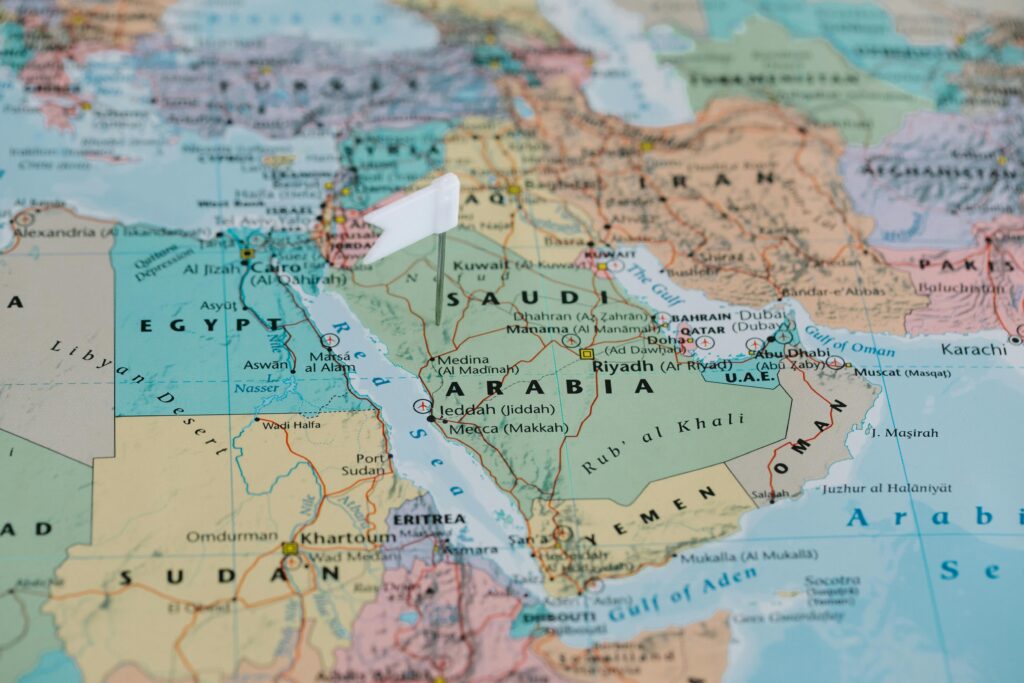
Before the conflict, approximately 20 million barrels a day of crude oil and petroleum products passed through Hormuz – about one quarter of global seaborne oil trade. Export volumes fell below 10% of their pre-conflict level during the initial disruption, forcing producers to curtail output because alternative pipelines could carry only a fraction of the stranded supply.
The interruption has also removed roughly one fifth of global liquefied natural gas supply and disrupted liquefied petroleum gas, fertiliser and petrochemical feedstocks. Those linked markets mean the consequences extend well beyond petrol prices.
In March, the IEA’s 32 member countries agreed to make 400 million barrels of emergency oil stocks available, the largest coordinated release in the agency’s history. The measure helped lower prices from their crisis peak and demonstrated that consuming nations retain a substantial short-term buffer.
It did not, however, recreate the physical supply that normally crosses Hormuz. Strategic reserves are finite and are concentrated in oil, with no comparable global buffer for LNG or fertiliser. The IEA has stressed that insurance and physical protection for shipping, alongside a political settlement, are indispensable to restoring regular trade.
Asian economies have borne the greatest direct impact because 80% to 90% of the energy shipped through Hormuz normally travels east. Japan and South Korea have large strategic systems and diversified economies; Bangladesh, Pakistan and India have less room to absorb higher prices or shortages.
The social consequences are already visible in LPG markets. Exports of LPG through Hormuz fell by around 80% in March, according to IEA analysis. Much of that fuel serves household cooking in Asia, and shortages can force families back towards wood, charcoal or animal waste, increasing indoor air pollution and unpaid labour.
The UK is less physically dependent on Gulf hydrocarbons than many Asian importers, but it is not insulated. Oil is globally priced, while British gas and electricity markets are connected to European LNG competition. A sustained disruption can therefore feed through to transport costs, inflation, industrial margins and ultimately interest rate expectations even when UK terminals continue receiving cargoes.
Emergency stocks can therefore bridge a temporary interruption, but cannot offset a prolonged loss of a major trade artery. New production from the Americas and alternative Gulf pipelines provide resilience at the margin, not a full substitute.
For the transition sector, Hormuz reinforces an argument that became prominent after Russia’s invasion of Ukraine: clean electricity, efficient buildings and electric transport reduce exposure to commodity chokepoints as well as carbon emissions.
The benefit will arrive only as fast as equipment is replaced, however. Until then, the energy system must manage both accelerated electrification and continuing dependence on globally traded fuels.