
- Scotland has consented Ocean Winds’ 2 GW Caledonia North and South projects, comprising up to 140 turbines in the Moray Firth.
- The developer has committed to £1.7 billion of Scottish expenditure, subject to the projects reaching construction.
- Environmental conditions, a future Contract for Difference and high Scottish transmission charges remain between consent and final investment.
The Scottish government has approved the 2 GW Caledonia offshore wind development in the Moray Firth, removing a major planning obstacle from one of the largest projects awarded through the ScotWind leasing round.
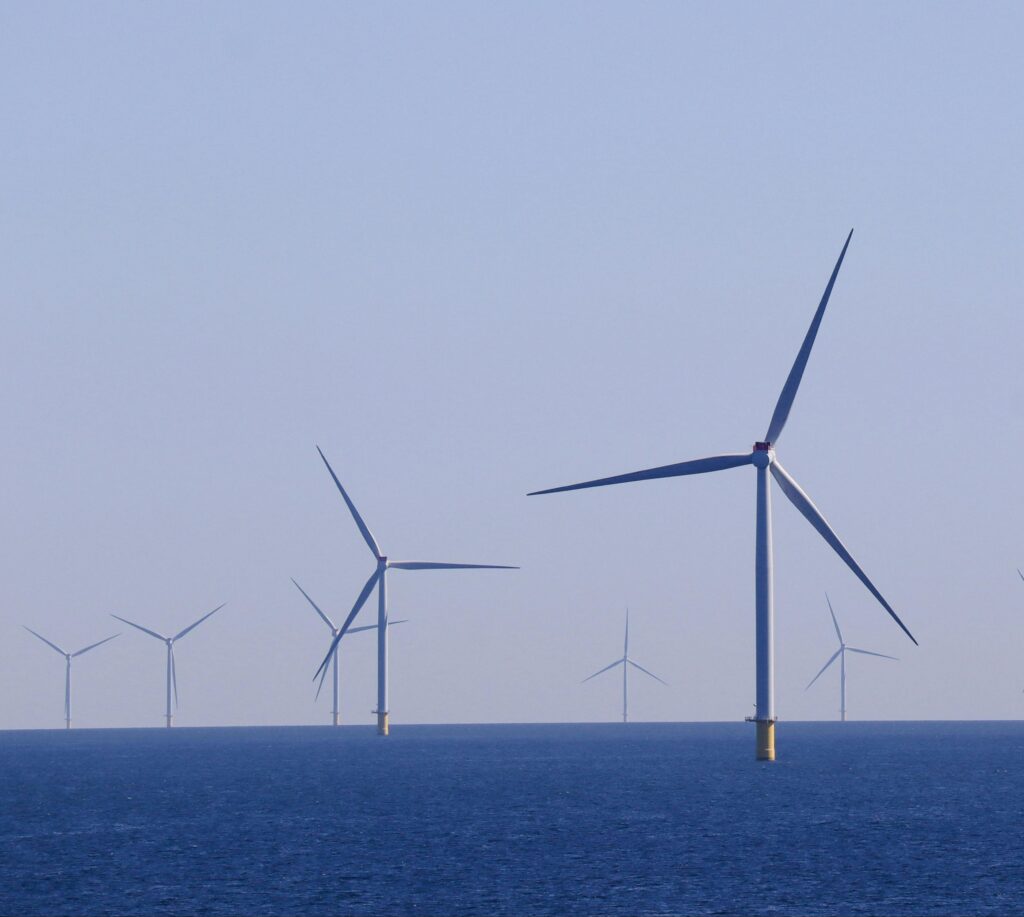
The consent covers Caledonia North and Caledonia South, two adjoining projects of approximately 900 MW to 1.1 GW each. Together they could deploy as many as 140 turbines across 429 sq. km and generate electricity equivalent to the annual consumption of around two million homes.
Developer Ocean Winds, a joint venture between EDP Renewables and Engie, has committed to spending £1.7 billion in Scotland if the development proceeds. The consent and accompanying marine licences make Caledonia the second group of ScotWind projects to receive offshore approval, according to the Press Association.
The approval remains subject to conditions. Ocean Winds must obtain ministerial agreement for environmental mitigation, including a seabird compensation plan, before construction can proceed. That reflects growing pressure on governments to reconcile the scale of the offshore wind pipeline with cumulative impacts on marine habitats and bird populations.
The project already has its principal onshore permissions. Aberdeenshire Council approved an approximately 3 km underground cable corridor in May, linking the consented Burnside substation to SSEN Transmission’s planned Greens substation. Onshore works are intended to begin in 2028, while the developer says Caledonia is positioned to enter construction by 2030. The project sits around 40 km offshore and can use established fixed-bottom foundations and alternating-current transmission.
Those characteristics should make Caledonia less technically challenging than some deeper-water ScotWind sites. Ocean Winds also operates the neighbouring Moray East and Moray West wind farms, providing local operating experience, survey data and an established supply chain presence.
Use of system
Consent, however, should not be confused with a final investment decision. Caledonia still needs a bankable revenue contract, most likely through a future UK Contract for Difference allocation round. It must also manage equipment pricing, finance costs, grid delivery schedules and the escalating transmission charges faced by generators in northern Scotland.
The latter has become a pivotal risk. Transmission Network Use of System charges are geographically differentiated, meaning Scottish generators generally pay more to use the network because they are located farther from major demand centres.
Ocean Winds has warned that investment decisions are being taken in 2026 while substantial charging reform may not arrive until 2029. Its UK country manager has described that mismatch as a threat to the Scottish offshore wind pipeline.
The concern is not theoretical. The fully consented West of Orkney project failed to secure a contract in the previous allocation round, with its developers pointing to transmission charges as a major competitiveness problem. Caledonia must compete against projects in lower-charging regions for a nationally administered CfD.
The consent therefore advances two separate policy tests. Scotland has demonstrated that it can process another very large offshore application while imposing environmental conditions; Westminster must now demonstrate that its revenue and network-charging arrangements can convert that consented capacity into an investable project.
Caledonia could nearly double Ocean Winds’ generation capacity in the Moray Firth and anchor years of demand for Scottish ports, engineering and operations. But the £1.7 billion supply chain promise becomes economically meaningful only after a revenue award and final investment decision. The planning risk has fallen sharply; the next constraint is the distribution of costs within the British electricity system.