

- Renewable generation is expected to surpass coal globally in 2026 after reaching near parity last year.
- Electricity demand is forecast to grow by 3.6% this year, while power sector emissions increase by approximately 1%.
- High gas prices, insufficient system flexibility and rapid demand growth are preventing renewable expansion from translating immediately into falling emissions.
Renewables are set to become the world’s largest source of electricity this year according to the International Energy Agency (IEA), although global power sector emissions will continue rising as expensive gas and rapid demand growth prolong reliance on coal.
The IEA expects renewable generation to increase by more than 8% during 2026, lifting its share of the global power mix from 33% last year to 37% in 2027.
Solar will provide the largest contribution to growth, adding approximately 600TWh this year and overtaking wind to become the second-largest renewable generating source after hydropower.
Despite that expansion, CO2 emissions from electricity generation are forecast to rise by around 1% in 2026 before levelling off next year.
The apparent contradiction reflects the speed at which electricity consumption is growing. Global demand is expected to increase by 3.6% this year and 3.8% in 2027, compared with 3% in 2025. Consumption would consequently reach 30,700TWh in 2027, up from 28,600TWh two years earlier.
Industrial production, air conditioning, data centres, electric vehicles and heat pumps are all adding load. The IEA forecasts demand growth of 5.5% in China and 7% in India this year, with both the US and EU approaching 2%.
Fuel switching is also working against emissions reduction. The temporary loss of almost 20% of global LNG supply through the Strait of Hormuz pushed Asian and European gas prices to their highest levels since the 2022–23 energy crisis.
Several countries have consequently increased coal-fired generation. Global gas-fired output is expected to remain broadly flat this year, while coal fills part of the gap left by disrupted and more expensive LNG.
The price effects vary considerably between regions. Average spot electricity prices in the EU and Japan rose by more than 30% year on year during the second quarter. US wholesale prices were broadly unchanged because domestic gas availability provides greater protection from the international LNG market.
The IEA expects stronger nuclear generation and continuing renewable deployment to prevent another increase in power emissions during 2027. Its outlook remains sensitive to weather, however. A strong El Niño could increase cooling demand while reducing hydropower and wind output in some markets.
The report also illustrates why installed renewable capacity is no longer an adequate measure of transition progress. Negative wholesale prices occurred during around 20% of first-half trading hours in South Australia and California and 17% in Spain, signalling periods when generation exceeded the system’s ability to absorb it.
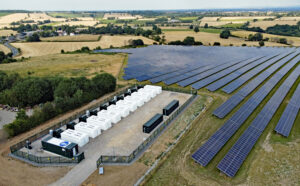
During European heatwaves, the difference between midday and evening power prices reached $600/MWh in several markets. That combination of surplus power at one point and scarcity hours later creates a strong commercial case for batteries, demand response and other flexible resources.
The global crossover between renewables and coal is symbolically important, but it does not yet represent a structural decline in fossil generation. Clean supply is expanding quickly enough to take market share but not consistently enough to meet all additional demand and displace existing coal output.
New wind and solar remains essential for the UK and other mature power markets, but investment must increasingly extend to networks, storage, flexible demand and firm low-carbon generation. Without those supporting assets, record renewable deployment can coexist with volatile prices, continued gas dependence and stubbornly high emissions.