
- Tesla’s solar and energy division is projected to generate $18.3 billion in revenue in 2026 with $5.3 billion gross profit, accounting for about 20% of company revenue.
- The energy business is roughly twice as profitable as Tesla’s car division, which faces shrinking margins and declining regulatory credits.
- First‑quarter energy storage deployments were 8.8 GWh, down 15.4% year on year, but revenue is expected to rise due to a greater share of high‑margin utility‑scale Megapack sales.
Tesla may be best known for its electric cars, but a new analysis by Reuters suggests that the company’s solar and energy business is poised to eclipse its automotive division as a profit driver.
As rising competition and expiring tax credits squeeze vehicle margins, analysts estimate that Tesla’s energy unit will deliver about $18.3 billion in revenue and $5.3 billion in gross profit in 2026, capturing roughly a fifth of total revenue. By contrast, revenue growth from car sales is expected to slow amid subdued demand in China and North America.
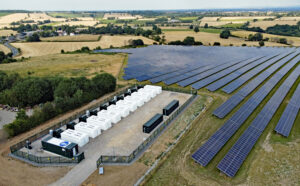
Tesla has been building momentum in energy storage for years. It sells Powerwalls for homes and Megapacks for utilities and data centres. The energy division is now “roughly twice as profitable” as the car business because it sells products with higher margins and faces less competition.
Demand for large‑scale batteries is booming as AI data centres and renewable‑heavy grids require massive amounts of backup power. Adrian Balfour of advisory firm Envorso told Reuters that energy storage is “cushioning the blow” from falling car margins, though its current scale is still too small to fully offset the decline.
Energy outshines autos
The first quarter of 2026 underscores the dichotomy. Tesla deployed 8.8 gigawatt‑hours of energy storage, a 15.4% decline from a year earlier. Yet analysts expect revenue to rise as the company shifts sales towards utility‑scale Megapacks, which carry far higher margins than residential Powerwalls.
On the automotive side, the company produced about 50,000 more vehicles than it delivered, leading to rising inventories and investor concern. Tesla is also committing $20 billion to building new assembly lines and humanoid robots, which could result in the company’s first negative cash flow in two years. Investors are therefore turning their attention to the energy business for financial resilience.
The broader context is that the global energy storage market is exploding. Grid operators, data‑centre owners and commercial buildings are ordering massive battery systems to stabilise intermittent renewables and support AI workloads.
Tesla faces competition from Chinese manufacturers such as CATL and BYD, but analysts say its early mover advantage, software integration and brand strength have given it a lead in securing multi‑gigawatt contracts. The company has built a Megapack factory in Shanghai and plans another in Texas, with an eye to ramping up production capacity.
Nevertheless, the energy business is not without risks. Morgan Stanley analysts warn that margins may come under pressure due to pricing competition and delays in passing on tariff costs. Quarterly revenues are also lumpy, depending on the timing of large project deliveries. And while regulators are rolling back subsidies for grid batteries in some markets, Tesla must ensure that its energy portfolio remains profitable without policy support.