
- Britain’s government plans to delink electricity prices from volatile gas markets by offering older renewable generators long‑term, fixed‑price contracts, covering roughly one‑third of national supply. In return the windfall levy on these projects will rise from 45% to 55% until they sign up.
- Ministers will release state‑owned land for renewable projects and introduce reforms to halve grid‑connection times and accelerate electric vehicle infrastructure.
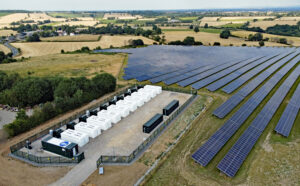
- The policy is framed as both a cost‑of‑living relief and a geopolitical strategy to free the UK from global gas crises and spur investment in batteries, wind and solar.
The UK is moving to overhaul its energy market in a bid to insulate households from global gas shocks and accelerate its transition to net zero.
In a package unveiled this week, ministers said they would offer voluntary long‑term contracts to legacy renewable generators – projects built under the Renewable Obligation regime – allowing them to sell power at a fixed price unlinked to gas.
The scheme covers about a third of Britain’s electricity supply and will run alongside a higher windfall levy: those who refuse will see their tax rate rise from 45% to 55%.
The policy marks a significant departure from the current marginal‑cost pricing system, in which expensive gas‑fired plants set wholesale power prices. With gas prices driven to record highs by the Iran war and the closure of the Strait of Hormuz, UK electricity bills have surged and the government has faced pressure to protect consumers.
By bringing older wind and solar farms into Contracts for Difference, ministers hope to cap bills, guarantee revenues for investors and accelerate the deployment of clean power. The move mirrors proposals by economists and some think‑tanks to separate power markets into ‘renewable’ and ‘fossil’ pots, and would leave gas plants acting as peaking facilities paid through capacity mechanisms.
At the same time, the government will open up state‑owned land for about 10 gigawatts of new renewable capacity, reform planning rules to halve grid‑connection queues and expand electric‑vehicle charging networks. These measures aim to unlock investment quickly and address bottlenecks that have delayed wind and solar projects.
Ministers say the reforms could deliver billions of pounds of savings and help meet the 2030 target of a fossil fuel free electricity system. Critics note that many legacy renewables have already paid back their investors and will now receive more stable income; some argue the government is imposing a de facto tax on projects built under earlier, riskier regimes.
Seen in the context of high global fuel prices and geopolitical turmoil, the plan is also a bid for energy sovereignty. Energy secretary Ed Miliband has described the current situation as the end of ‘fossil fuel security,’ arguing that renewable power and battery storage offer greater protection from global shocks.
By shifting legacy projects to fixed contracts, the government signals that future investment will be rewarded but also tightly regulated. For UK industry, the reforms herald a more interventionist market, with new opportunities for developers willing to accept stable, lower prices in exchange for certainty, but also higher taxes on those clinging to legacy arrangements.