
- Consultations on Jackdaw and Rosebank closed on 10 and 17 August respectively, but ministers have set no timetable for a decision.
- Earlier approvals were ruled unlawful because they did not account properly for emissions created when the extracted fuels are burnt.
- The open-ended process is becoming a policy signal in its own right, affecting capital, contractors and confidence across the North Sea supply chain.
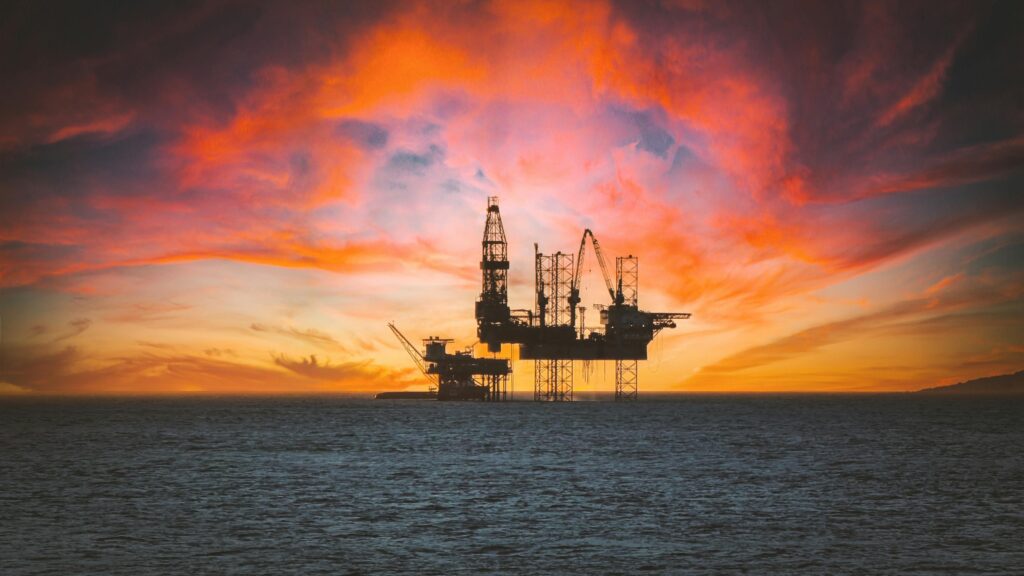
The UK government has declined to set a deadline for deciding whether the Rosebank and Jackdaw developments can proceed, prolonging uncertainty over two North Sea projects representing a claimed £10.8 billion of investment.
Energy minister Michael Shanks said there was “no particular deadline” for approving or rejecting the projects after their latest public consultations closed.
The Offshore Petroleum Regulator for Environment and Decommissioning lists both projects as under review. The Jackdaw consultation closed on 10 August, followed by Rosebank on 17 August. Their respective government project pages and Rosebank record provide no target decision date.
Jackdaw was originally approved in 2022 and Rosebank in 2023. In January 2025, the Court of Session ruled that the approvals were unlawful because the environmental assessments had not considered emissions from burning the oil and gas ultimately produced.
The ruling followed the UK Supreme Court’s Finch judgment, which established that these downstream or Scope 3 emissions are an inevitable consequence of extraction and must be included in environmental assessments. The government subsequently issued revised guidance requiring developers to quantify them, while retaining ministerial discretion to balance climate effects against economic and energy security considerations.
Adura, the 50-50 North Sea joint venture between Shell and Equinor, has submitted revised information for both projects. It says more than £3 billion has already been spent and more than three quarters of the anticipated £10.8 billion investment would occur in the UK.
The company forecasts 3,500 jobs at peak construction, 880 jobs through production and £3.8 billion in tax revenues by 2034. Rosebank could produce about 69,000 barrels of oil a day at peak, while Adura says Jackdaw could supply more than 6% of UK gas production.
A policy of delay
The government faces something of a no-win situation. Approval would prompt accusations that its climate policy is inconsistent with expanding fossil fuel production and could invite further litigation. Rejection would crystallise losses on work already completed and intensify industry warnings about unemployment, imports and investment flight.
Campaigners estimate Rosebank’s extracted fuels could create more than 250 million tonnes of CO₂ over the project’s life. They also argue that internationally traded oil will not materially lower UK consumer prices.
Industry body Offshore Energies UK (OEUK) counters that domestic production has lower operational emissions than many imports and says the projects would support supply chain capability relevant to offshore wind, carbon capture and decommissioning.
The more immediate commercial problem is that indefinite delay can be almost as consequential as rejection. Contractors cannot confidently allocate vessels, fabrication capacity or personnel, while developers incur financing and standby costs.
That uncertainty also extends beyond the two fields. OEUK says another 111 offshore projects depend on a functioning investment and regulatory regime, although those projects span different stages and technologies.
Rosebank and Jackdaw are already licensed and therefore do not directly breach Labour’s commitment to stop issuing new exploration licences. The decisions will nevertheless define how much development the government will permit within existing licences.
A prompt decision would not remove the political conflict, but it would at least clarify the rules. An open-ended review transfers the cost of that conflict to investors and the supply chain while leaving both climate and energy security advocates on the hook.