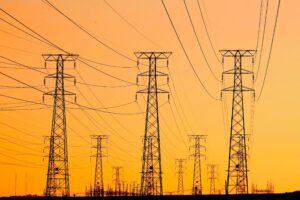


- Consent for the 2 GW Suffolk-Kent connection removes a major planning obstacle to moving more electricity across south-east England.
- National Grid expects construction to begin in early 2027, with work continuing through 2031.
- The commercial benefit will depend on timely delivery and lower congestion costs, while local opposition makes construction management a significant test.
The government has approved National Grid’s Sea Link electricity connection between Suffolk and Kent, clearing a major planning hurdle for infrastructure intended to reduce network congestion and carry more renewable power towards consumers.
The 2 GW connection will run for approximately 138 km, primarily offshore, and allow electricity to move in either direction between the two counties. National Grid says the route will bypass existing bottlenecks around London as the geography of British electricity generation changes.
Development consent was granted on Friday. The Department for Energy Security and Net Zero said the link would reduce the need to pay generators to switch off when the network cannot accommodate their electricity. It described the project’s transfer capability as equivalent to supplying around two million homes.
National Grid expects construction to start in early 2027. Its published programme shows construction activity running through 2031, with further work now required to settle technical details and meet requirements covering matters such as traffic and environmental management.
The approval represents permission to progress the project, rather than the arrival of additional usable network capacity. The distinction matters for generators and large electricity users assessing when congestion might ease.
Energy minister Michael Shanks said: “By rewiring Britain we get homegrown power to where it’s needed”. His statement linked network investment to reducing exposure to volatile fossil fuel markets.
Delivery challenge
Sea Link addresses a practical weakness in the transition: installing generation does not guarantee that its electricity can reach customers when required. When transmission capacity is insufficient, the system may need to curtail one generator and obtain replacement output elsewhere.
A new connection can reduce those restrictions, but the eventual savings depend on how it interacts with the surrounding network, the generation available and demand at different times. Its 2 GW rating describes electricity transfer capability and should not be counted as additional generating capacity.
The project also illustrates why a largely offshore route can still generate substantial local opposition. Cliffsend Parish Council said it was disappointed by the decision, citing concerns about the village, the environment and residents. It intends to continue engaging with National Grid over disruption as the scheme progresses.
For contractors and equipment suppliers, consent makes the delivery programme more tangible. For nearby communities, it brings questions about construction traffic, working arrangements and environmental protection closer to their daily lives. Those concerns will influence whether the project proceeds smoothly even after the principal planning decision.
The government says National Grid will deliver community funds worth more than £1 million each in Kent and Suffolk. Such funding offers a mechanism for local benefits, although its effectiveness will depend on the projects supported and how communities participate.
Sea Link’s significance lies in the relationship between network delivery and the value of renewable investment. Additional transmission can improve the usefulness of existing and future generation, while delays can prolong the costs associated with congestion.
The next meaningful milestones are the completion of outstanding requirements, publication of detailed local construction programmes and mobilisation on site. The approval has removed an important obstacle; the financial and system benefits now depend on delivering the connection within the planned timetable.