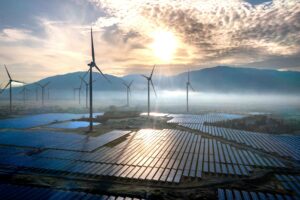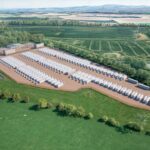


- The Domokos development combines 251.9 MW of solar with a battery expected to store 375 MWh.
- Shipping group Tsakos owns 60% of the joint venture, while Metlen holds 40% and will handle construction and commercial management.
- The project has EU-backed loan support and is being built as low daytime prices and curtailment put pressure on Greek renewable revenues.
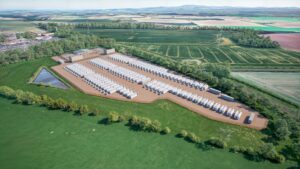
Metlen and Tsakos Group have started construction of a 251.9 MW solar farm and a battery energy storage system (BESS), expected to hold 375 MWh at Domokos in central Greece.
Metlen announced the start of construction following a groundbreaking ceremony on Wednesday. The development is one of Greece’s largest solar and storage projects, according to the partners.
The companies announced the partnership in January and formalised the joint venture in July. Tsakos holds a 60% stake in the project company and Metlen holds 40%.
Metlen will build the facility and manage its energy operations and commercial activity, with the investment receiving loan support through the EU’s Recovery and Resilience Facility. The announcement leaves the BESS power rating and the project’s offtake arrangements undisclosed.
“From transporting energy, we are now also moving into generating it,” said Tsakos Energy Navigation chief executive Nikos Tsakos. The structure gives the shipping group a majority interest while putting construction and power market operations with its energy sector partner.
Metlen’s role will matter once the plant is generating because operating the battery and selling the solar output are closely linked processes.
Flexible outlook
Greece curtailed just over 2 TWh of renewable output in the first nine months of 2026, up 15.6% from the same period a year earlier, according to the Athens-based think tank The Green Tank.
Its analysis of market and grid data also counted 1,055.5 hours when day-ahead wholesale prices were negative or at most €0.05/MWh, compared with 390 hours in the first nine months of 2025.
The two figures denote different pressures. Low wholesale prices reduce what a solar farm earns when other plants are also producing heavily; curtailment means the system limits output, which can happen even when prices are positive.
A co-located battery can absorb some generation and discharge it later, subject to its charge rate, available capacity and the site’s grid connection terms. It can also fill up before a long period of surplus generation ends, leaving some solar output exposed to the same constraints as before.
For British developers, the financial comparison is between the extra revenue the battery can earn and the cost of buying, connecting and operating it. That assessment needs the price the solar farm actually receives when it generates, rather than a flat annual wholesale average – it also needs an operating plan that accounts for any competing uses of the battery.
Domokos brings those decisions together at a single site, where the value of storage will be determined by dispatch opportunities and contractual rights as much as by the number of megawatt-hours installed.