
- Seaway7 has started a campaign to install more than 536 km of inter-array cables at Ørsted’s 2.9 GW offshore wind farm.
- Both offshore converter stations are in place, and Ørsted has reported an initial grid connection at Norwich Main.
- Ørsted’s latest investor presentation puts commercial operation in late 2027 or early 2028, with turbine installation and electrical commissioning still ahead.
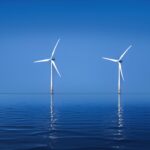
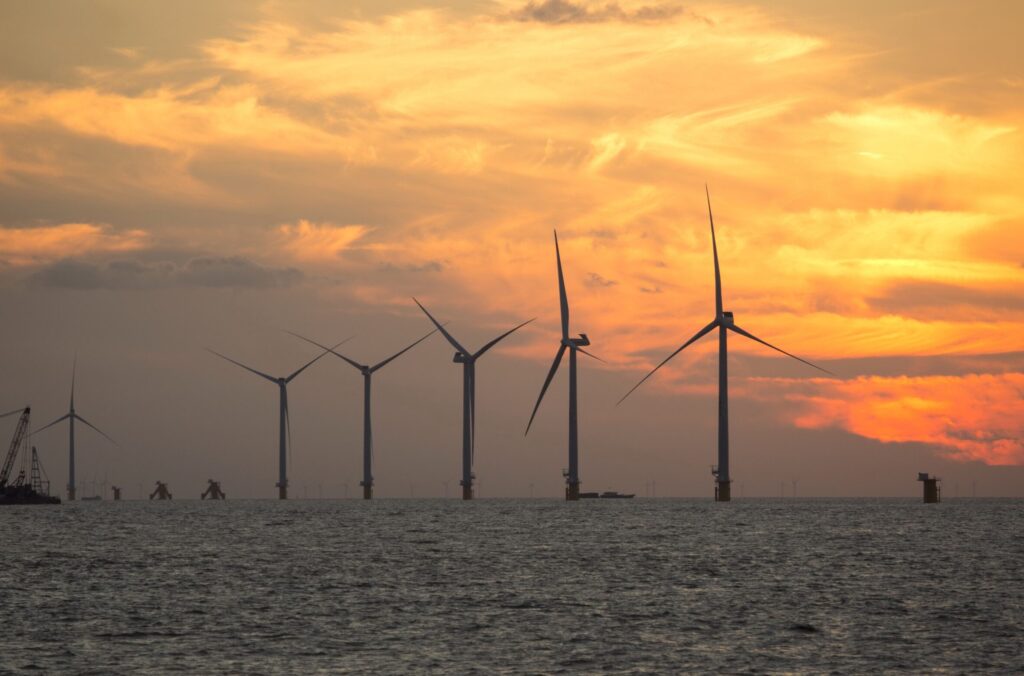
Seaway7 has laid the first inter-array cable at Hornsea 3, starting the offshore campaign to connect the wind farm’s 197 turbines to two converter stations.
The contractor says it will transport and install more than 536 km of 66 kV cable at the 2.9 GW North Sea project, using the cable-laying vessel Seaway Phoenix with support from Seaway Moxie.
The installation gives Ørsted a working start on one of the main electrical packages as it prepares to put the first turbines offshore. Blades, nacelles and tower sections are at Able Seaton Port, where teams are preparing them for deployment.
A notice to mariners scheduled Cadeler’s Wind Pace to mobilise from Hull on Sunday and set out an installation and commissioning campaign running to November 2027.
“After almost five years of hard work we’ve reached the key moment for our array cables,” said Hornsea 3 managing director Luke Bridgman said.
Seaway7 won the work in 2024 after installing array cables on Hornsea 1 and 2. Hellenic Cables and Prysmian are supplying cables for Hornsea 3, and JDR Cable Systems is responsible for array cable testing and termination.
Synchronised works
Ørsted put Hornsea 3 at about 40% complete in its Q3 presentation, up from roughly 30% in the previous quarter, with foundations installed at 95 of 197 turbine positions. It also said one export cable was fully installed and that work on the far-shore section of the other was progressing.
The initial connection at Norwich Main allows power to be fed into the project’s equipment for testing and commissioning, a step on the way to exporting its first offshore generation.
The array cables carry power from the turbines to the offshore converter stations, where it is converted for export to shore. Each part of that chain has its own installation timetable, weather exposure and testing requirements.
Running several campaigns in parallel gives the project a chance to bring completed sections into service sooner, but it also means a delay in one package can leave installed equipment waiting for another. How quickly the first sections pass electrical tests will say more about the approach to first power than cable length alone.
The timing has commercial weight for both Ørsted and Apollo-managed funds, which completed their purchase of a 50% stake in December 2025. The project has an inflation-indexed Contract for Difference, giving it a route to contracted revenue once it generates.
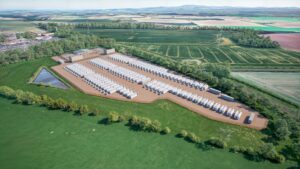
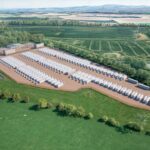
Ørsted has also completed construction of a 300 MW battery at the onshore converter station and is moving it into testing; that adds flexibility at the onshore site while the offshore equipment is brought into service on its own schedule.
At 2.9 GW, the difference between first power and full commercial operation matters to the UK’s supply outlook. Initial exports will mark the point at which part of the wind farm starts contributing to the system – the bigger gain will arrive as successive strings of turbines are commissioned and the project can export at scale.