
- Russia and the Arab Group have rejected the draft overarching agreement, challenging its treatment of fossil fuels and proposed global electrification target.
- The EU has backed the goal of electricity reaching 35% of final energy consumption by 2035, while signalling flexibility over how countries achieve it.
- For UK industry, the outcome will help determine whether electrification becomes a stronger investment signal for clean generation, networks and equipment.
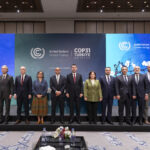
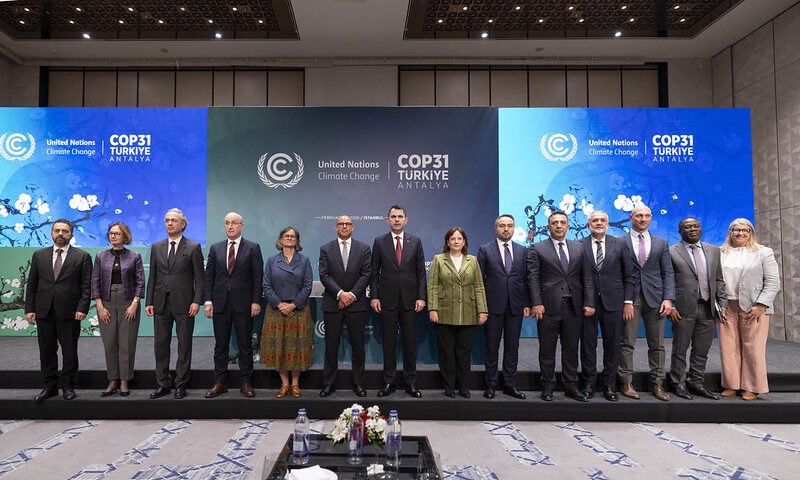
Efforts to secure a global electrification target at COP31 have faced resistance from Russia and the Arab Group, as ministers in Antalya try to reconcile competing demands over fossil fuels, finance and national control of energy policy.
The objections, raised during Monday’s consultations and detailed in Tuesday’s official reporting, challenge central elements of the summit’s first draft overarching agreement.
The Arab Group and Russia opposed language targeting particular energy sources and setting what they regard as top-down sectoral goals, according to the International Institute for Sustainable Development’s negotiating bulletin. Both also stressed developed countries’ obligations to provide finance.
The draft calls on countries to contribute to increasing electricity’s share of global final energy consumption to 35% by 2035 – the so-called ’35 by 35′ electrification goal – taking account of national circumstances. It also contains language urging implementation of the COP28 agreement to transition away from fossil fuels, alongside a stronger call to accelerate their phase-out.
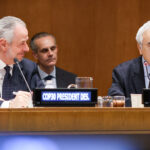
The presidency has made clear that the final outcome must command consensus.
The EU confirmed its support for the electrification pledge on Tuesday. At a press conference with Irish minister Darragh O’Brien, climate commissioner Wopke Hoekstra said the world “needs much quicker, much more radical electrification”.
He favoured clean sources including solar, wind and nuclear, while acknowledging that a measure of flexibility could help bring more countries into an agreement.
The disagreement extends beyond the merits of electrification. The Like-Minded Developing Countries group said the draft crossed several of its negotiating red lines, including the global target and language on a fossil fuel transition roadmap.
Azerbaijan also challenged the document’s consistency with the negotiating process. Those positions leave the presidencies facing questions about both the substance of the agreement and the scope of the decision they are trying to assemble.
The electricity mix
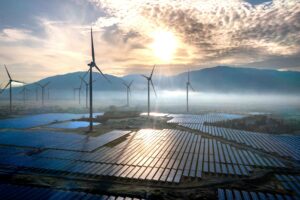
The UK backed Turkey’s pledge last week and published a domestic electrification roadmap. A global agreement could reinforce demand for heat pumps, electric vehicles and industrial equipment, while strengthening the case for investment in the networks needed to serve them.
The effect on emissions would depend on how much fossil fuel those technologies displace and which generators supply the additional power.
An ambitious clean energy target coupled with renewable deployment and network investment would give suppliers a clearer indication of future demand. More permissive policy would leave greater room for countries to expand electricity use through their existing generation mix.
Companies would then need to look more closely at national plans before treating the global figure as evidence of an addressable market.
Finance remains part of the bargain. The draft proposes at least $120 billion for tripling adaptation finance and identifies borrowing costs and constrained public budgets as barriers to climate action. Adaptation funding serves a different purpose from investment in power systems, but disagreement over financial support can affect the willingness of developing countries to accept wider commitments.
For the UK, the question over the remaining days of COP31 is whether ministers can preserve a target that influences domestic decisions. Its investment value will become clearer through the policies, funding and procurement that governments actually put behind it.