
- Reports suggest Iran wants to levy up to $2 million per vessel for ships transiting the Strait of Hormuz.
- The mere threat of a toll has already lifted war‑risk premiums and pushed operators to plan alternative routes through Saudi and UAE pipelines.
- Tehran’s control over the world’s busiest energy chokepoint would hard‑wire higher transportation costs into oil and LNG markets.
The Strait of Hormuz, a narrow strip of water between Iran and Oman, handles roughly 20% of global oil and gas exports. In the past week, Reuters reported that Iranian officials are pressing to impose a toll on ships crossing the strait.
According to some estimates, the proposed fee could reach $2 million per voyage – almost as much as it currently costs to charter a very large crude carrier from the Middle East to China. Although Tehran has not yet formalised the scheme, the mere prospect has already roiled markets.
The commentary notes that insurers have begun boosting war‑risk premiums while some vessel owners are rerouting through Saudi Arabia’s East-West pipeline to the Red Sea or the UAE’s bypass route to Fujairah. Those pipelines can carry millions of barrels per day but cannot fully replace Hormuz capacity.
To make matters worse, Iranian drones have already targeted the East-West pipeline during the ceasefire, highlighting how alternative routes are vulnerable to sabotage.
For Britain, the risk is clear. The UK imports significant volumes of oil and liquefied natural gas via global maritime routes, including shipments transiting Hormuz. A toll – even if paid by shipowners – would ultimately flow into commodity prices.
Higher costs and persistent security risks mean long‑term contracts could embed a premium, raising fuel bills for households and industrial users. Insurance markets, already stressed by climate‑related disasters, would need to price in geopolitical risk.
The column’s broader warning is that the conflict may not end simply because a ceasefire was announced: leverage over a critical chokepoint gives Tehran enduring power.
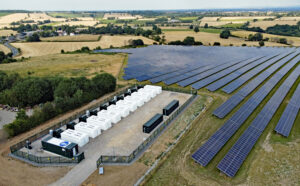
For UK policymakers and businesses, this underscores the value of investing in domestic renewables, storage and demand‑side flexibility. Britain’s record‑breaking solar generation this week (see Story xxx) shows how local infrastructure can offset exposure to global shocks.
With shipping costs and tolls likely to remain elevated, hedging strategies, diversification of supplier portfolios and contingency planning for transport disruptions should move up corporate risk registers. Ultimately, the lesson is that physical bottlenecks in the oil‑heavy global energy system represent not just short‑term price volatility but long‑term structural risk.