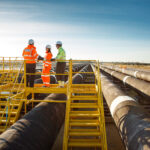

- Israel’s energy ministry has instructed Energean to restart the Karish offshore gas platform, closed since 28 February.
- The resumption follows a US-Iran ceasefire; the nearby Leviathan field restarted last week.
- Energean’s London‑listed shares rose 2.4% on the news, signalling investor optimism.
When the US-Israeli conflict with Iran escalated in late February, Israel halted operations at its Karish offshore gas platform. The project, operated by London‑listed Energean, supplies gas to Israel’s domestic market and, crucially, exports via Egypt to Europe.
On Thursday, Israel’s energy ministry instructed Energean to resume production, citing the ceasefire reached earlier this week. Energean confirmed it had received permission and was working to restart safely. Investors responded by sending Energean’s shares up 2.4% to 851 pence.
The restart follows the reopening of the larger Leviathan field last week, indicating that Israel is cautiously restoring its gas exports. Israel’s offshore gas plays a growing role in European energy security because gas is piped to Egypt’s LNG plants and shipped onwards. Any sustained disruption could tighten the global LNG market, particularly after Qatar’s LNG exports were hit by damage to the giant North Field project earlier this year.
For UK energy professionals, the resumption is significant. British utilities and traders buy LNG from the Mediterranean region via Egypt, so Israeli supply adds diversity at a time when the Middle East remains volatile.
However, the restart is far from guaranteed: the ceasefire remains fragile, and a collapse could once again halt production. Companies with contracts tied to Israeli supply need contingency plans in case hostilities resume.
The news also highlights the increasing interconnectedness of gas markets. A regional conflict between Israel and Iran has rippled through European power prices, just as disruptions at Qatar’s LNG plants have pushed up spot prices.
By diversifying energy sources and accelerating domestic renewables – as seen in the UK’s recent solar records – countries can mitigate the risk that any single supplier will hold them hostage. In the near term, UK traders should watch for signs of stabilisation at both the Karish and Leviathan fields, as well as any escalation in Lebanon, which could again threaten the Mediterranean supply chain.