
- The New York State Common Retirement Fund is reviewing its stake in TotalEnergies after the company accepted nearly $1 billion from the US government to terminate offshore wind leases.
- TotalEnergies will receive a $928 million reimbursement for relinquishing two offshore wind leases and instead investing in US LNG and oil projects.
- Governor Kathy Hochul criticised the agreement as a “pay‑not‑to‑play” scheme, and investors fear that government‑funded buyouts could undermine the economics of energy‑transition projects.
TotalEnergies is facing renewed scrutiny from institutional investors after it accepted a landmark $928 million payment from the Trump administration to walk away from two offshore wind projects.
New York’s pension fund is considering divesting from the French energy major over concerns that the buyout undermines the company’s climate commitments and may encourage future government interventions in clean‑energy investment.
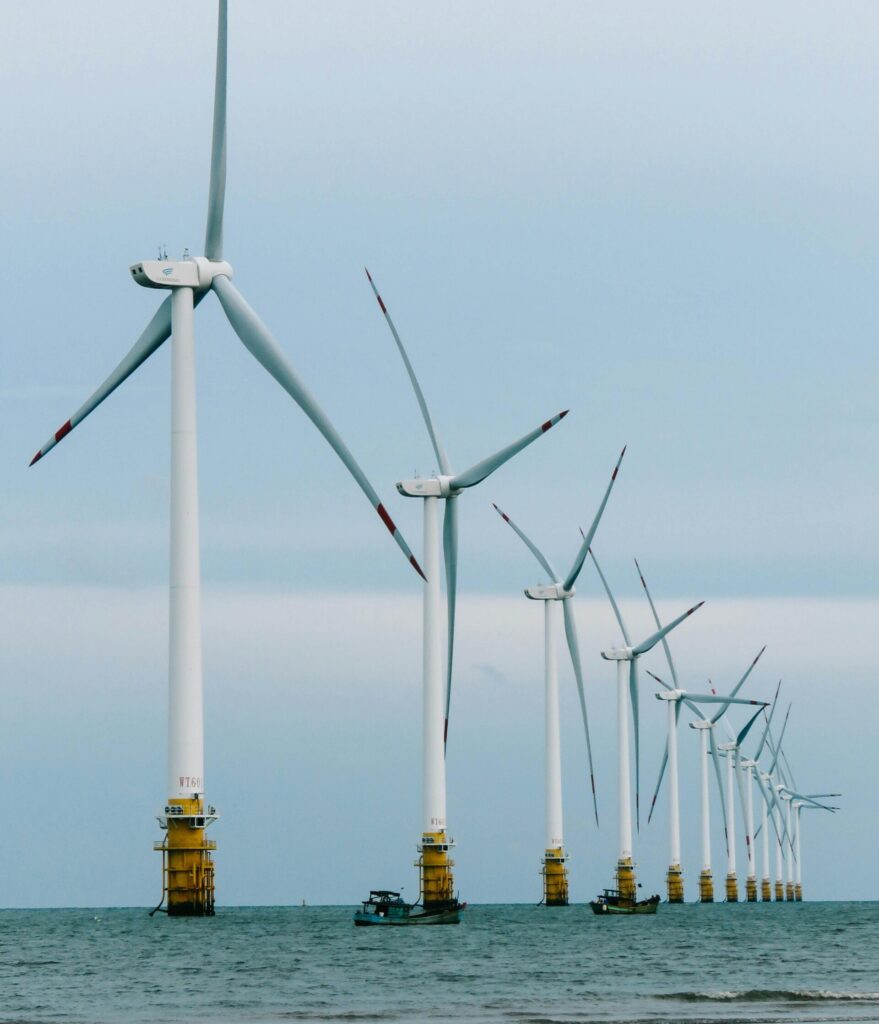
On 23 March 2026, during the CERAWeek energy conference, TotalEnergies agreed to cancel federal leases for offshore wind farms off North Carolina and New York. In exchange, the US Department of the Interior will reimburse the company nearly $1 billion – the approximate amount it paid for the leases – with the funds redirected to LNG and oil investments.
A Department of the Interior press release confirmed that the company will reinvest in the Rio Grande LNG project and Gulf of Mexico oil fields, and promised not to pursue any new US offshore wind projects. New York Governor Kathy Hochul derided the arrangement as a “pay‑not‑to‑play” scheme.
Investor response
The New York State Common Retirement Fund, one of the world’s largest pension funds, holds a relatively small stake in TotalEnergies. Yet Comptroller Thomas DiNapoli wrote to CEO Patrick Pouyanné expressing concern about the payment’s legal and financial implications and said he may divest.
Observers see the move as largely symbolic, but note it reflects growing impatience among investors with companies perceived to be retreating from the energy transition. Environmental groups say the deal exemplifies the risk of political interference in clean energy and could set a precedent for “climate buyouts”, where governments pay firms to abandon renewable projects.
TotalEnergies has defended the decision, arguing that offshore wind is too costly for American consumers and that investing in LNG will deliver better returns and supply energy to data centres and Europe. Critics counter that offshore wind costs are falling rapidly, and that the buyout demonstrates the Trump administration’s hostility towards renewable energy.
This episode underscores tension between investor expectations for decarbonisation and the energy policies of the current US administration.
While European oil majors have championed offshore wind as a cornerstone of their transition strategies, the TotalEnergies buyout highlights how political shifts can abruptly alter project economics.
The decision stands as a warning that policy risk remains high in nascent markets. Activists will watch closely to see whether the pension fund’s reassessment leads other investors to re‑evaluate holdings in fossil‑heavy companies.