
- The US Energy Information Administration (EIA) projects dry gas production to rise from 107.7 bcfd in 2025 to 110.6 bcfd in 2026 and 115 bcfd in 2027. That growth cements the US as the world’s top gas producer.
- LNG shipments are forecast to climb from 15.1 bcfd in 2025 to 17 bcfd in 2026 and 18.2 bcfd in 2027, thanks to new Gulf Coast facilities. Domestic gas consumption is expected to dip slightly in 2026 before rising again.
- Rising supply could ease global price pressures and support energy security for allies like the UK, but the expansion complicates efforts to cut greenhouse gas emissions.
US natural gas output is on course to shatter records over the next two years, according to the EIA’s latest Short‑Term Energy Outlook.
After averaging about 107.7 billion cubic feet per day (bcfd) in 2025, dry gas production is projected to climb to 110.6 bcfd in 2026 and 115 bcfd in 2027.
The agency attributes the increase to continued drilling efficiencies in the Permian Basin and new wells in Appalachia. The growth reinforces the US’ position as the world’s largest gas producer, ahead of Russia and Qatar.
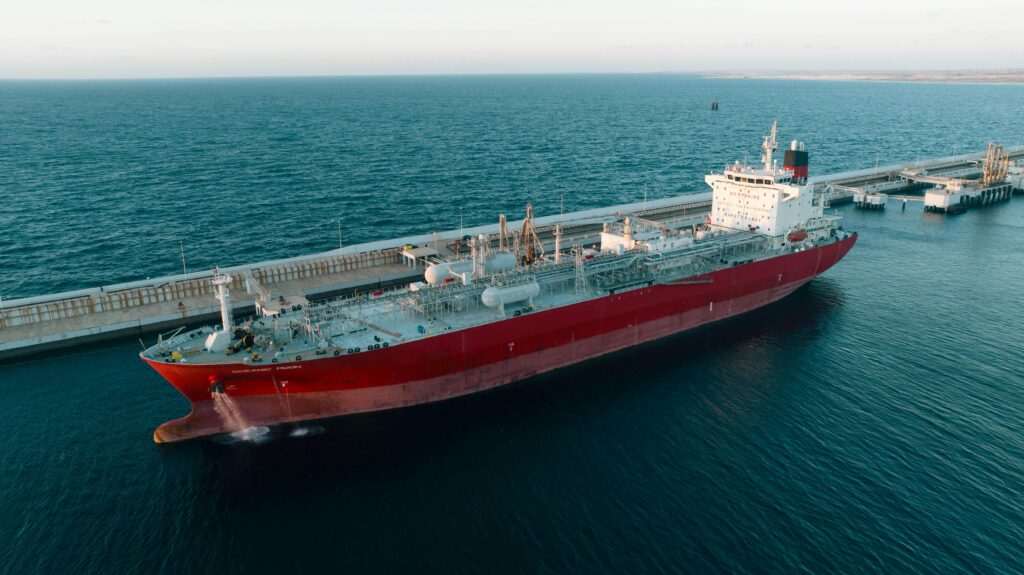
The US is also rapidly expanding its LNG export capacity. Shipments averaged around 15.1 bcfd in 2025 and are expected to jump to 17 bcfd in 2026 and 18.2 bcfd in 2027. Several new liquefaction trains at the Texas and Louisiana Gulf Coast are slated to come online by late 2026, boosting capacity and enabling deliveries to Europe and Asia.
U. gas consumption, meanwhile, is forecast to dip modestly from 91.9 bcfd in 2025 to 91.2 bcfd in 2026 before rising again, reflecting mild winter forecasts and efficiency gains.
The implications are far‑reaching. For Europe and the UK, increased US LNG provides an alternative to Middle East and Russian supplies, potentially easing price volatility triggered by the Iran war. It could also accelerate the phase‑out of coal in Asia if gas becomes more affordable.
However, the surge complicates climate efforts: the International Energy Agency warns that new gas infrastructure may lock in emissions for decades unless coupled with carbon capture and storage. The US government has announced a temporary pause on approvals for new LNG projects to assess environmental impacts, but plants already under construction will proceed.
From a commercial perspective, producers are banking on long‑term supply contracts. European utilities, mindful of energy security after Russia’s invasion of Ukraine, have signed 20‑year deals with US exporters, while Asian buyers are diversifying away from Russian pipeline gas.
Yet the bullish outlook is not without risks. Gas demand could weaken if energy‑efficiency gains accelerate or if governments implement stricter climate policies. And competitors, notably Qatar and Australia, are expanding LNG capacity. For now, though, the EIA’s projections signal a period of abundant US gas that will reshape global markets.