
- IEA executive director Fatih Birol says commercial oil inventories are “depleting quickly” due to the supply shock from the Iran war. Strategic reserves are finite, and the market has lost 20% of global supply because of the closure of the Strait of Hormuz.
- Research firm Capital Economics cautions that if the strait remains closed, Europe and the UK could enter recession with 5-6% inflation. High fuel costs already threaten to derail economic recovery.
- The crisis underscores the need for diversified supply chains, demand‑reduction measures and accelerated clean‑energy deployment.
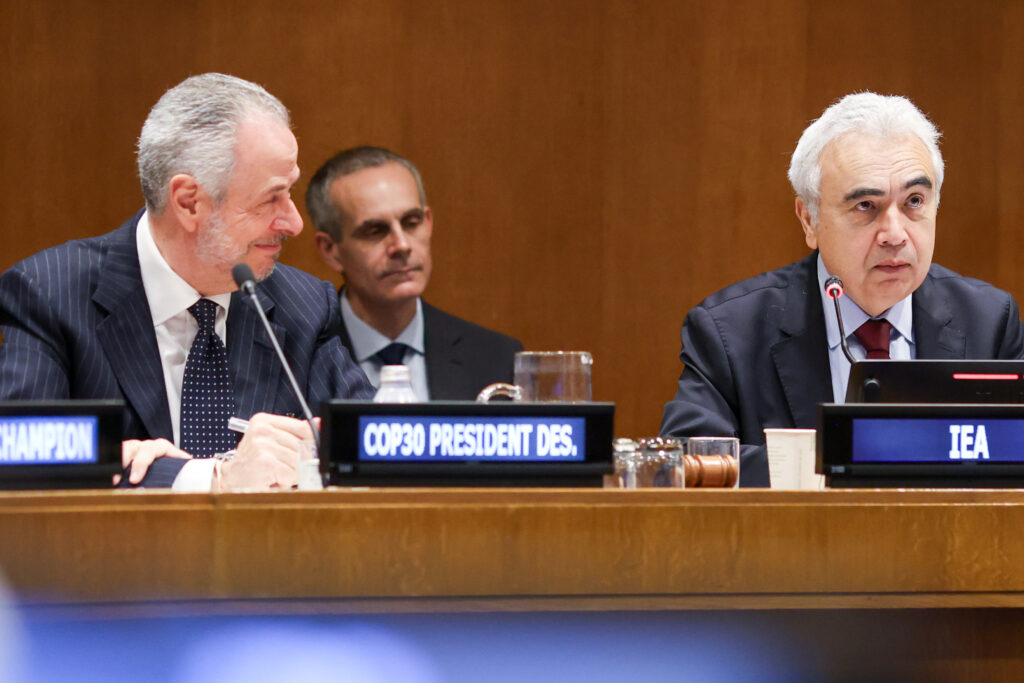
The head of the International Energy Agency (IEA) issued a stark warning this week: global oil stocks are being drawn down at an alarming rate.
IEA executive director Fatih Birol told reporters that commercial inventories are “depleting quickly” as the closure of the Strait of Hormuz deprives the market of roughly one fifth of global oil and LNG supply. With Iranian exports halted and Gulf producers unable to reroute volumes, refiners have been forced to tap their stockpiles to meet demand.
The US and other OECD countries have also released barrels from strategic reserves, but these buffers are limited and cannot offset a prolonged supply disruption.
The IEA’s warning came alongside new economic forecasts that paint a bleak picture if Hormuz remains closed. Capital Economics projects that sustained supply disruptions could push inflation to 5-6% in the UK and euro area and tip major economies into recession.
The consultancy argues that soaring energy prices would suppress consumer spending and raise production costs, outweighing any positive effects from higher export revenues. Britain, already grappling with a cost‑of‑living crisis, would be particularly vulnerable.
Warning shot
These warnings carry policy implications. Governments must weigh whether to use their remaining strategic reserves more aggressively or to impose consumption curbs.
Some European countries are considering temporary speed limits on highways and reduced lighting in cities to save fuel. Others are accelerating the roll‑out of renewables and heat pumps to cut gas demand.
Yet the short-term challenge is acute: renewable projects take years to develop, while the need for immediate supply is pressing.
Birol’s comments also highlight the delicate balance between energy security and climate goals. Diversifying oil supplies through increased production from the US and Africa could alleviate shortages but would prolong fossil‑fuel dependence.
Conversely, rapid electrification and efficiency improvements can lower demand but require significant upfront investment. The next few months could prove pivotal: if diplomacy fails to reopen Hormuz, emergency measures such as fuel rationing and industrial curtailments may be necessary to prevent empty pumps and blackouts.