
- Transport Secretary Heidi Alexander told MPs that HS2’s estimated budget has risen to £87.7-102.7 billion, with a possible peak of £103 billion. The project’s price tag has almost tripled since the original £37 billion estimate.
- Services between London and Birmingham are now delayed beyond 2036, with trains reaching London’s Euston station only by 2040-43. Cancelling the project would cost as much as completing it.
- Alexander blamed previous mismanagement and said the team that delivered London’s Elizabeth line is now in charge.
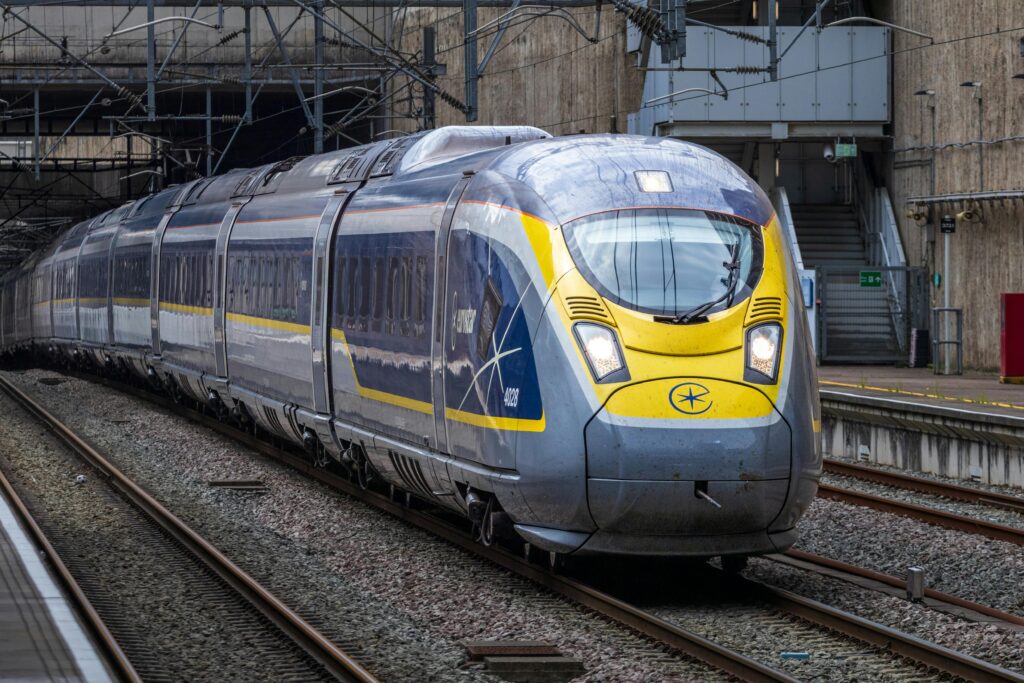
Britain’s beleaguered High Speed 2 (HS2) project has suffered yet another cost and schedule blowout.
Addressing a parliamentary committee on Monday, transport secretary Heidi Alexander revealed that the latest estimate for building the London–Birmingham line and extending it to Manchester ranges between £87.7 billion and £102.7 billion.
She admitted the final bill could reach £103 billion, compared with an original projection of £37 billion in 2013. Adjusting for inflation, the cost overrun is even more pronounced.
The timeline is equally grim. Alexander said trains might not begin running between London and Birmingham until sometime between 2036 and 2039 – more than a decade later than initially planned. Worse, the line’s flagship terminus at Euston will not be operational until 2040-43 because of funding gaps and construction difficulties.
Cancelling the project now, she argued, would incur costs similar to finishing it due to contractual liabilities and sunk infrastructure.
Accountability
In her testimony, Alexander criticised predecessors for poor governance and said the government had installed a new management team, including engineers who successfully delivered London’s Crossrail. She insisted HS2 remains vital for boosting rail capacity, connecting northern cities and cutting carbon emissions by shifting travellers from cars and planes to trains.
Opponents, however, seized on the spiralling costs to call for the project’s cancellation. Some argue that remote work has permanently reduced travel demand, undermining the business case. Others say funds would be better spent upgrading existing rail lines or investing in regional bus networks.
HS2’s troubles highlight a recurring issue in UK infrastructure: cost estimation and oversight. Projects from nuclear plants to wind farms frequently face delays and budget overruns, eroding public trust.
For energy‑transition stakeholders, the HS2 saga serves as a warning that ambitious infrastructure plans – such as building new transmission lines or carbon‑capture hubs – need rigorous planning, transparent governance and realistic timelines.
Without reform, Britain risks undermining its own net‑zero ambitions through mismanaged mega‑projects.