
- The European Commission is drafting measures to reduce electricity taxes and refill gas storage ahead of winter.
- A revised document warns that premature retirement of nuclear facilities could undermine supply and raise prices. European leaders are re‑evaluating anti‑nuclear stances and embracing a mix of renewables, efficiency and legacy baseload.
- Other proposed measures include vouchers for low‑income citizens, support for home batteries and solar panels, cheaper public transport and reduced air travel for businesses.
As the Iran war squeezes oil and gas supplies, the European Commission is preparing a multifaceted response to cushion citizens and maintain energy security.
A draft package sets out plans to cut electricity taxes and coordinate the refilling of gas storage sites before winter. The measures stop short of imposing price caps or seizing excess profits, reflecting the EU’s preference to avoid drastic market interventions. Instead, Brussels wants to give national governments tools to reduce bills while preserving price signals that encourage conservation and investment.
Perhaps the most politically sensitive part of the package is guidance urging governments not to prematurely retire nuclear plants. The draft document recommends that countries “avoid early retirement of generation assets, such as existing nuclear facilities,” noting that nuclear power supplies low‑cost, low‑carbon electricity and provides system flexibility.
The advice marks a shift from the Commission’s previous neutrality on nuclear, acknowledging that shutting reactors could deepen Europe’s reliance on gas. It comes amid renewed debate in Germany, which closed its last nuclear plants in 2023, and Spain, which still plans to start decommissioning in 2027 despite pleas from utilities to extend lifespans.
Pragmatic shift toward keeping all options open
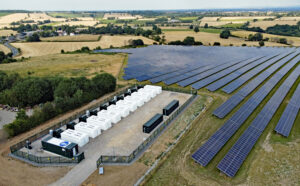
Beyond taxation and nuclear guidance, the draft proposes a range of social and efficiency measures. These include issuing energy vouchers to vulnerable households, helping citizens install plug‑in batteries and solar panels, cutting the price of public transport and encouraging businesses to avoid air travel where possible.
The Commission argues that such measures can provide immediate relief while supporting the long‑term goal of reducing fossil fuel use. The package also encourages member states to streamline permitting for renewable projects and grid upgrades.
The proposals illustrate how Europe’s energy crisis has upended traditional ideological lines. Governments that once planned to phase out nuclear power are reconsidering, while staunch free‑market advocates now accept targeted tax cuts and subsidies.
The message is twofold: European markets are likely to remain volatile and policy‑driven, and the EU is embracing a diversified mix of renewables, nuclear, storage and efficiency. British companies exporting equipment or services into Europe should watch how quickly member states adopt these measures and whether they create new opportunities in nuclear life extension, energy‑efficiency retrofits and community energy schemes.