
- The European Commission wants electricity to supply 46% of final EU energy consumption by 2040 – double today’s 23% share.
- Brussels estimates that faster electrification could reduce annual fossil fuel import costs by as much as €260 billion.
- The 46% figure is indicative, not yet binding; electricity taxation, networks and national implementation are the immediate constraints.
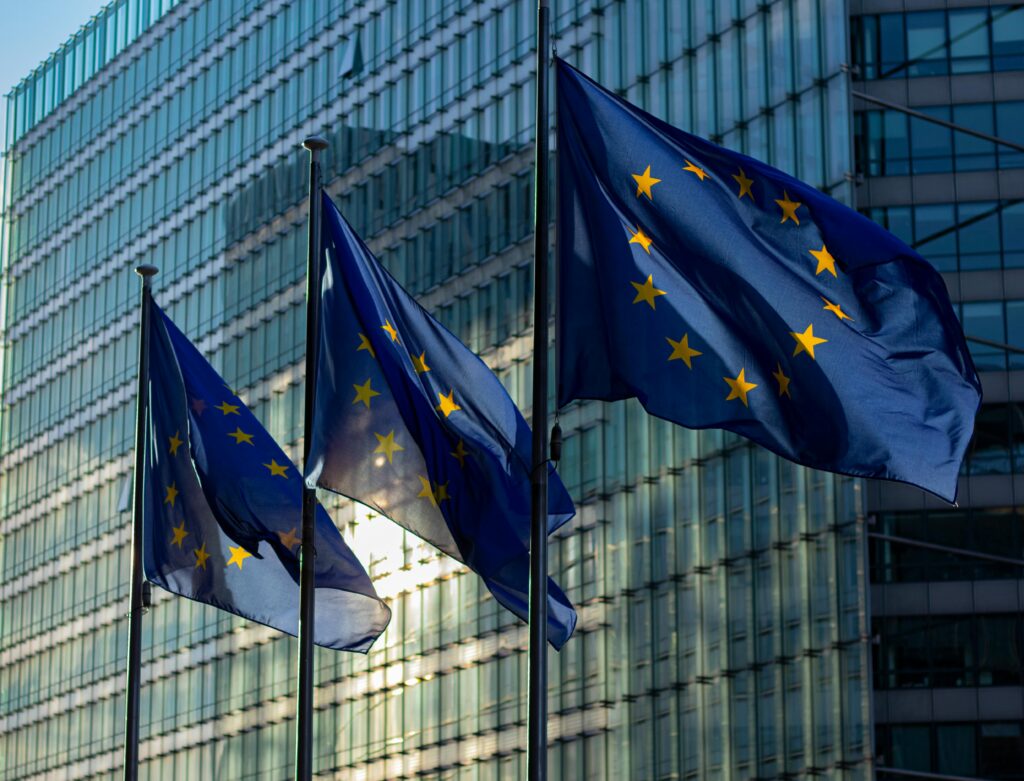
The European Commission has set out an ambition to double electricity’s share of EU energy consumption by 2040, placing electrification at the centre of the bloc’s response to fossil fuel insecurity and persistently high industrial energy costs.
The Commission’s first dedicated Electrification Action Plan, published on Friday, establishes an indicative objective for electricity to account for 46% of final energy use by 2040, compared with approximately 23% today. The rate has barely changed in a decade despite the rapid decarbonisation of Europe’s power supply.
The plan seeks to accelerate electric vehicles, heat pumps and electrically powered industrial processes while expanding storage, flexible demand and electricity networks. It follows the disruption of Gulf oil and gas supplies through the Strait of Hormuz, which has reinforced the economic as well as environmental case for replacing imported fuels with domestically generated electricity.
The Commission estimates that reaching the objective could reduce annual fossil fuel import spending by up to €260 billion in 2040. Gas imports could fall by more than 70% and crude oil imports by about 40%, according to a summary of the final plan.
Much of the immediate policy effort concerns the relative price of electricity and gas. In many EU markets, taxes and levies fall more heavily on electricity than fossil fuels, weakening the business case for heat pumps and industrial electrification even where electric equipment is more energy efficient.
Brussels wants the household electricity-to-gas price ratio brought below 2.5 by 2030 and the industrial ratio below 2. Member states would be encouraged to move taxes and policy costs away from electricity bills, reform network tariffs and phase out fossil fuel subsidies.
Buildings are a major target. About 67% of European heating still uses fossil fuels, while buildings account for almost half of EU gas demand. The Commission wants annual heat pump installations to rise from 2.4 million in 2025 to four million by 2030 and estimates that switching could reduce a typical household’s heating bill by up to 60%, depending on local prices and building performance.
Industrial support would include the planned €100 billion Industrial Decarbonisation Bank, with an initial €30 billion phase linked to the EU Emissions Trading System. The plan also proposes using more ETS revenue for industrial decarbonisation and introducing smarter tariffs that reward consumption when renewable generation is plentiful.
However, 46% is not yet a legal obligation. The Commission intends to assess how the objective should be incorporated into the post-2030 Energy Union framework. Taxation, planning and much energy regulation remain politically sensitive national responsibilities.
Implementation will therefore depend less on the headline target than on whether governments make electricity cheaper relative to fossil fuels and accelerate networks. Doubling the electrification rate while grid connections remain slow would raise congestion and curtailment rather than deliver the promised savings.
For UK companies, the plan matters – despite Brexit. It will shape Europe’s demand for heat pumps, cables, charging equipment, storage and industrial electrical systems. It could also affect interconnected British power prices and the competitiveness of energy-intensive manufacturing.
The deeper significance is that Brussels is reframing electrification as economic security. Europe has built large volumes of clean power generation but has been slower to replace the vehicles, boilers and industrial equipment that burn imported fuels. The new plan identifies that missing demand-side transition; national politics will determine the pace of real change.