

- Canada has approved a $4bn expansion of Enbridge’s gas pipeline network. The project will add around 300 million cubic feet per day of capacity.
- The expansion reflects a continued push to strengthen energy security despite decarbonisation goals.
- The move also highlights the enduring role of gas in balancing energy systems.
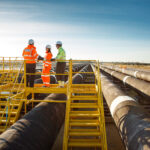
Canadian regulators have approved a major expansion of Enbridge’s natural gas pipeline network, underscoring the continued importance of gas infrastructure in an increasingly volatile global energy market.
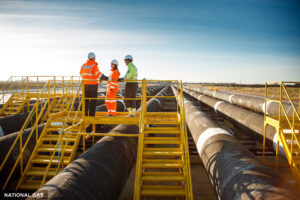
The project, valued at around $4bn, will increase capacity by approximately 300 million cubic feet per day, enabling greater flow of gas to key markets. The expansion is aimed at improving supply reliability and meeting growing demand from both domestic and export customers.
The decision comes at a time when energy security has risen to the top of the policy agenda. The Iran conflict and resulting disruption to global oil and gas flows have highlighted the risks associated with reliance on constrained supply routes and geopolitical hotspots.
For Canada, expanding pipeline capacity is seen as a way to leverage its abundant natural resources while providing a stable supply to North American and international markets. It also supports the country’s LNG export ambitions, which have gained momentum in recent years.
However, the move is not without controversy. Environmental groups argue that new fossil fuel infrastructure risks locking in emissions and delaying the transition to cleaner energy sources. Supporters counter that gas remains essential for ensuring reliability, particularly as renewable penetration increases.
System stability
The expansion reflects a broader trend across the energy sector. Even as investment in renewables accelerates, governments and companies are continuing to invest in fossil fuel infrastructure to maintain system stability.
The development also highlights the global nature of the gas market. Increased supply from Canada could influence LNG flows and pricing, with knock-on effects for European markets. It also reinforces the role of gas as a transition fuel, particularly in balancing intermittent renewable generation.
The key insight is that the energy transition is not a linear process. While the long-term direction is towards decarbonisation, short-term realities often require investment in traditional energy systems. Managing this balance will be one of the defining challenges for policymakers and industry alike.