
- A fragile two‑week ceasefire in the Iran war is already showing cracks, pushing Brent back toward $100 and knocking European and Asian stocks lower.
- There is little sign that the Strait of Hormuz has reopened; Iran continues to demand tolls for safe passage.
- Israel’s heaviest strikes on Lebanon since the conflict began and President Trump’s threat to keep US forces in the Gulf stoked fears of escalation.
Shares around the world sagged on Thursday after markets digested the first serious doubts over the ceasefire struck between the US and Iran earlier this week.
Reuters reported that Brent crude futures jumped 2.5% to $97.28 per barrel and US West Texas Intermediate climbed 3.3% to $97.55. The pan‑European STOXX 600 index, which had leapt after the ceasefire announcement, slipped 0.2%, while stocks across Asia fell.
The latest volatility underscores the difficulty investors face in pricing energy when protagonists’ intentions are opaque.
The key challenge is that the ceasefire has not reopened the Strait of Hormuz. Iran’s demand for tolls continues to deter shipowners. At the same time, Israel launched its heaviest strikes on Lebanon since the war began, killing more than 250 people.
President Donald Trump warned on social media that US forces would remain in the Gulf until a deal was honoured, threatening to unleash “bigger, and better, and stronger” strikes. With core inflation already elevated, investors fear that oil prices around 40% higher than pre‑conflict levels will feed into consumer prices.
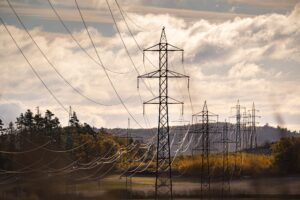
This volatility is more than just a market story. Higher oil prices filter through to wholesale gas and electricity, aviation fuel and the price of goods. The Bank of England’s battle against inflation could become more complicated, delaying potential interest‑rate cuts and prolonging high borrowing costs.
UBP analyst Peter Kinsella told Reuters that markets are being whipsawed by headlines because the parties themselves “don’t even know what they want”.
Energy companies, utilities and large industrial users may need to revisit their hedging strategies. Many will recall how quickly the price direction reversed: just a day earlier, Brent had fallen by more than 14%. This underscores the importance of flexible procurement strategies, scenario planning and diversified supply chains.
Additionally, the threat of tolls and the continuing Israeli-Hezbollah clashes make clear that the conflict is not contained. The risk that the ceasefire could collapse means any price reprieve may be short‑lived, and businesses should plan accordingly.