
- Cadeler’s new Wind Apex will join Dogger Bank C’s installation campaign from the third quarter of 2027.
- The vessel will supplement existing capacity and can support remaining work across the wider project.
- The contract strengthens delivery resources without establishing a revised completion date.
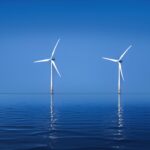
The Dogger Bank Wind Farm has secured an additional turbine installation vessel for its 1.2 GW C phase, adding specialist capacity to the construction programme for the UK’s largest offshore wind development.
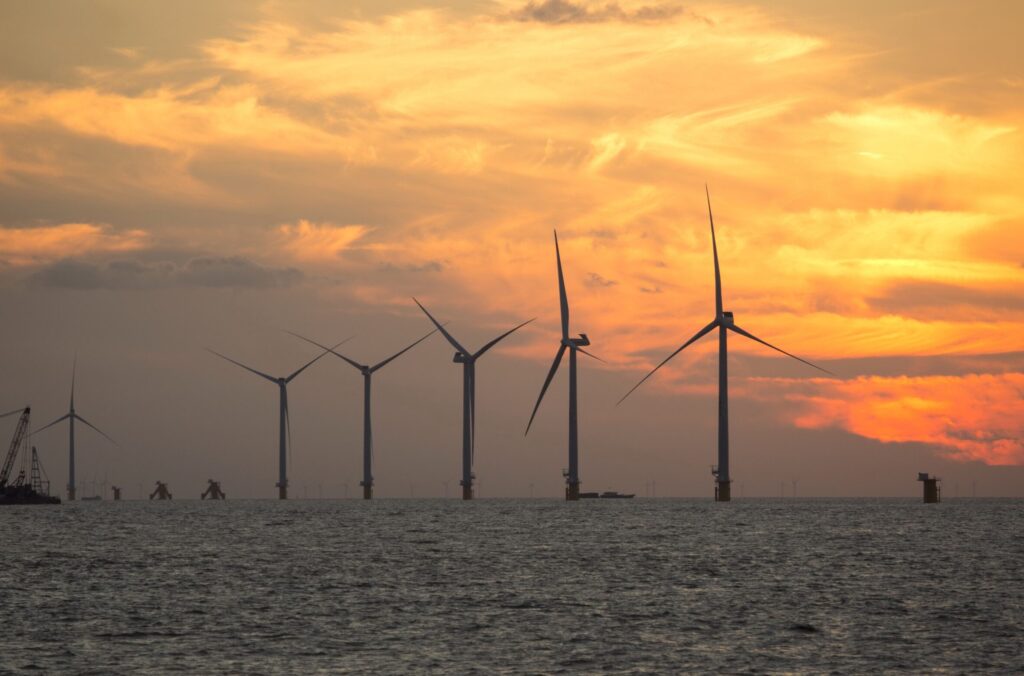
Cadeler’s newbuild Wind Apex is expected to join the campaign in the third quarter of 2027, working alongside Seaway Ventus. The contract will also make the vessel available to support completion work on the remaining phases of the wider project.
Dogger Bank C will be the vessel’s first deployment following delivery from the shipyard. The phase comprises 87 turbines and forms one-third of the 3.6 GW Dogger Bank development off north-east England.
“Securing additional specialist vessel capacity for Dogger Bank C is another important step in the delivery of this world-leading offshore wind project,” said Dogger Bank turbine director Alan Borland.
“Together with our partners and contractors, we remain focused on the safe delivery of all three phases of Dogger Bank and the homegrown renewable energy the wind farm will provide for the UK.”
Cadeler separately confirmed that it had signed a firm transportation and installation contract. Neither announcement disclosed its financial value or set out a revised date for completing the wind farm.
Installation capacity
The agreement addresses a critical part of offshore wind construction: moving large components from shore and installing them safely within suitable operating conditions.
Additional vessel capacity can provide more options for sequencing work and allocating resources. Its actual effect on delivery will depend on turbine availability, weather, port logistics and progress across the rest of the construction programme.
The development is owned by SSE and Equinor, each with 40%, and Vårgrønn with 20%. SSE leads construction, while Equinor will operate the completed wind farm. Wind Apex, the third vessel in Cadeler’s A-class series, is designed for both foundation and turbine installation.
The vessel itself represents a substantial investment in offshore construction capability. Cadeler disclosed in its half-year reporting that it had signed an EIFO-backed loan facility of up to €247 million in July to help finance its construction.
That financing illustrates the investment required before installation contractors can fulfil the sector’s expansion plans. Developers need access to suitable vessels, while vessel owners need sufficient contracted work to support expensive fleet additions.
Onshore infrastructure is equally important. Dogger Bank previously announced that Scotland’s Port of Nigg would marshal turbine components for phases B and C, storing and preparing equipment before loading it for transport offshore. The port’s appointment provides an example of how UK facilities participate in an international construction chain.
More installation resources may help manage the execution programme, but they cannot resolve unrelated constraints elsewhere in the project. Assessing progress will therefore require evidence of completed installations and commissioning alongside announcements of additional capacity.
The agreement also highlights why offshore wind policy needs to consider the capabilities required to build projects. A strong pipeline can encourage investment in vessels, ports and training, but delivery depends on those resources becoming available at the right time.
For Dogger Bank, the next milestones include delivery of Wind Apex and its mobilisation to the campaign. The firm contract provides greater visibility over the resources available from 2027, while leaving the project partners responsible for turning that capacity into completed generation.