
- According to IEA executive director Fatih Birol, the global energy crisis triggered by the Iran conflict has permanently undermined the notion of fossil fuels as a reliable foundation for energy systems.
- Birol says the shock will accelerate investment in renewables, nuclear and electrification, with governments likely to prioritise domestic generation and resilience over global fuel dependence.
- The shift has major implications for oil and gas producers, including UK North Sea operators.
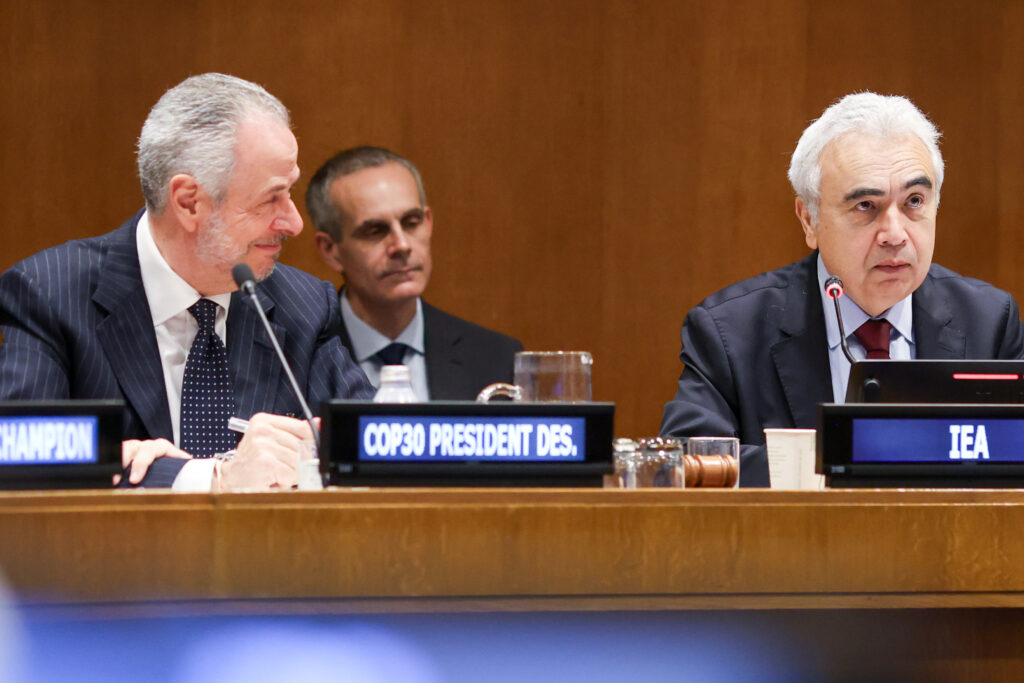
The head of the International Energy Agency (IEA) has warned that the current global energy crisis represents a structural turning point for the fossil fuel industry, arguing that the notion of oil and gas as a stable foundation for energy security has been fundamentally broken.
IEA executive director Fatih Birol said the disruption triggered by the Iran conflict – which has driven up oil and gas prices and restricted flows through the Strait of Hormuz – has exposed the vulnerability of energy systems reliant on imported fossil fuels. He described the situation as a decisive moment that will reshape long-term investment decisions across the sector.
While previous crises, such as the 1970s oil shocks or Russia’s invasion of Ukraine, caused temporary disruptions, Birol suggested the current episode is different in scale and scope. It affects oil, gas and refined products simultaneously, while also coinciding with a period of rising electricity demand driven by electrification and digitalisation.
The immediate impact has been a surge in prices and emergency policy interventions. But the deeper consequence, according to the IEA, will be a redirection of capital. Governments and companies are increasingly likely to prioritise domestic, low-carbon energy sources that are less exposed to geopolitical risk.
Green boon
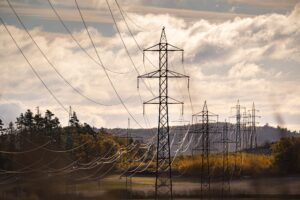
Renewables, nuclear power and energy efficiency are expected to benefit most from this shift. Electrification of transport and heating, combined with expanded battery storage, could reduce dependence on imported fuels over time. At the same time, grid infrastructure is becoming a strategic asset, as countries seek to manage higher shares of intermittent generation.
For oil and gas producers, the implications are more complex. Higher prices may boost short-term revenues, but they also accelerate the transition away from fossil fuels. Investors are likely to demand clearer strategies that balance near-term profitability with long-term resilience.
For the UK, the message is particularly relevant. Labour’s push to decouple electricity prices from gas and expand domestic renewables aligns with the IEA’s assessment. However, the North Sea remains a key part of the country’s energy mix, and policymakers face a delicate balancing act between maintaining supply and accelerating decarbonisation.
The broader takeaway is that energy security is being redefined. It is no longer simply about access to fuel, but about control over generation, infrastructure and supply chains. The current crisis may therefore mark the point at which the energy transition moves from a climate-driven agenda to a core economic and security priority.