
- In response to soaring fuel costs, Germany’s ruling coalition unveiled a €1.6 billion relief package that cuts energy taxes on petrol and diesel by about €0.17 per litre for two months. The plan also allows employers to pay a €1,000 tax‑free bonus to help workers cope with the price shock.
- The package promises anti‑trust action to ensure oil companies pass the tax cut to consumers and pledges to accelerate domestic renewable energy, expand north‑south transmission lines and support green hydrogen.
- Calls to reconsider gas ban – Italy’s Eni has warned EU policymakers that their plan to ban Russian gas imports from 2027 is unrealistic, arguing that the bloc lacks alternatives to replace roughly 20 billion cubic metres of Russian supply.
Europe’s largest economy has moved quickly to cushion citizens from the oil shock. After marathon talks, Chancellor Friedrich Merz’s coalition agreed a €1.6 billion fuel‑price relief package, cutting the energy tax on petrol and diesel by around 17 cents per litre for two months.
The relief is accompanied by a provision that allows companies to pay employees a tax‑free €1 000 bonus, mirroring measures taken during the COVID‑19 pandemic. Berlin insists the cut will be monitored by anti‑trust authorities to ensure retailers pass the savings on to motorists.
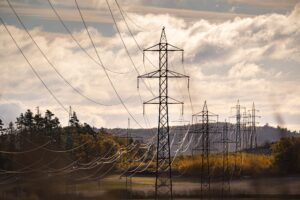
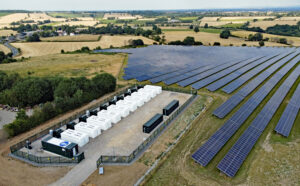
Beyond immediate relief, the coalition outlined structural measures: it intends to speed up approvals for solar and wind projects, strengthen north‑south transmission links and support the development of green hydrogen.
The government also reiterated its opposition to stricter EU car‑emissions rules, calling for technology neutrality that recognises plug‑in hybrids and combustion engines running on renewable fuels. The package underscores Berlin’s balancing act between climate ambition and cost‑of‑living pressures.
Across the bloc, the energy crisis is prompting deeper reflection. Eni chief executive Claudio Descalzi cautioned that the EU’s plan to end Russian gas imports by 2027 is not backed by sufficient alternative supply; he noted that European buyers still need to replace roughly 20 billion cubic metres of Russian gas.
Given the Hormuz closure, Descalzi argued, Europe should keep all options on the table – including Russian gas and new domestic production – to maintain security of supply.
European officials are also focused on geopolitics. Ursula von der Leyen, the European Commission president, said freedom of navigation in Hormuz is critical for economic stability.
Her remarks highlight the vulnerability of European economies to disruptions in Middle Eastern supply routes. With the US blockade showing little sign of easing, European leaders must manage near‑term relief while accelerating the shift toward homegrown renewables.
Germany’s response and broader European debates matter on several fronts. The UK competes in the same energy market, so German tax cuts could influence wholesale fuel prices and retail margins. Berlin’s insistence on technology neutrality signals potential tension with EU lawmakers pushing for stricter emissions rules – creating regulatory uncertainties for auto and fuel suppliers.
The discourse around Russian gas indicates the EU may recalibrate its diversification strategy, which will affect UK gas hubs and interconnectors. Ultimately, Europe’s actions underline that the energy transition will not be linear; short‑term relief measures may coexist with long‑term decarbonisation commitments, and companies must navigate both simultaneously.