
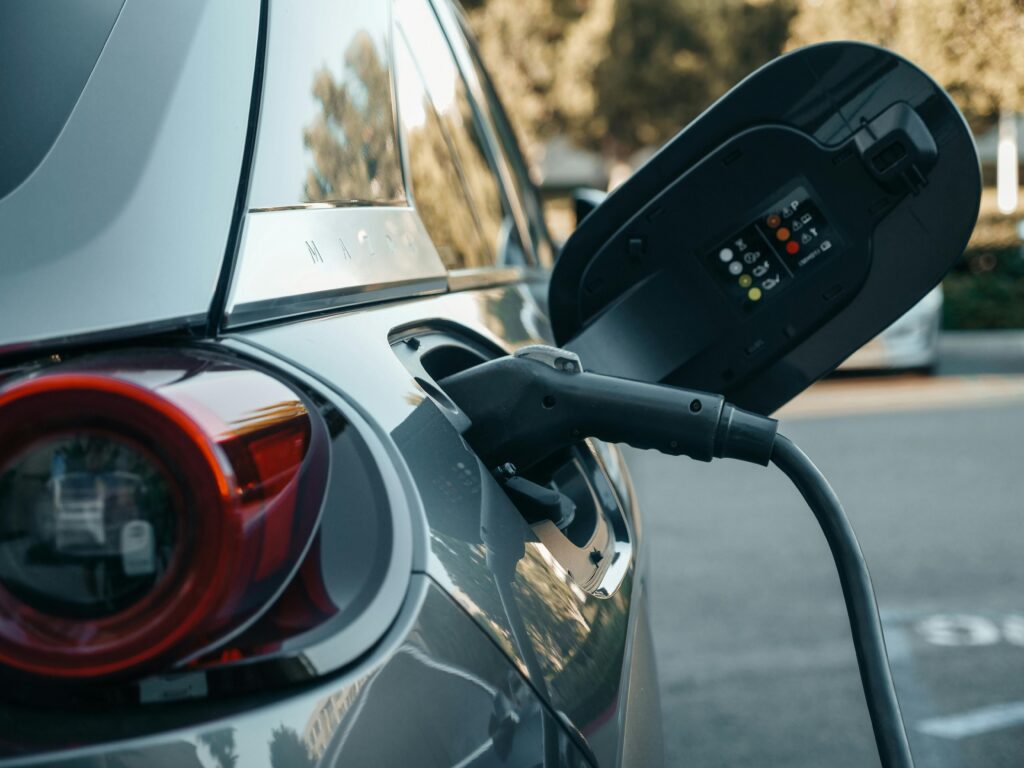
- Battery‑electric vehicle (BEV) registrations in 15 European markets rose 34.1% in April 2026 to 201,541 units.
- Italy saw the strongest growth (+97.2%), while Norway maintained a 98.6 % market share and Denmark 81.9%.
- BEV uptake is saving nearly three million barrels of oil a month, according to the analysis.
Electric vehicles are continuing to gain momentum across Europe but progress remains uneven, according to fresh analysis.
Data published by E-Mobility Europe and Fier Automotive showed BEV registrations across 15 markets rose by 34.1% year‑on‑year in April. The surge comes amid high oil prices, generous incentives and expanding charging networks, yet growth patterns vary widely between countries.
April’s 34.1% jump brought total BEV registrations to 201,541 vehicles. Italy led the growth league, registering a 97.2% increase; Spain and Poland also reported strong gains, albeit from lower bases.
Norway continued to set the pace in market share: 98.6% of cars registered there in April were BEVs, reflecting long‑standing incentives and supply availability. Denmark followed at 81.9%.
Germany remains Europe’s largest EV market by volume, with BEVs accounting for 25.8% of new registrations. Growth there has slowed compared with previous years, partly because the country’s subsidy scheme has been trimmed and supply‑chain challenges continue.
France recorded moderate growth despite generous incentives, as consumers wait for new models; the UK, not included in this dataset, has also seen slower year‑on‑year growth amid uncertainty about the future of purchase incentives.
Analysts attribute the overall surge to a combination of factors: high petrol and diesel prices following the Iran war, ongoing tax breaks and purchase grants, and improved supply after last year’s semiconductor shortages.
The report estimates that higher BEV penetration is cutting Europe’s oil consumption by almost three million barrels per month, providing tangible climate and energy‑security benefits.
Two-tier market
Europe’s EV boom is both encouraging and challenging. High growth in markets like Italy and continued dominance in Norway and Denmark show that consumers will adopt electric vehicles when policy and infrastructure align. However, the unevenness across regions underscores the risk of a two‑tier market.
Countries with robust incentives and charging networks are pulling ahead, while others lag due to policy uncertainty or economic constraints. For the UK, which aims to end sales of new petrol and diesel cars by 2030 (except some hybrids), ensuring that incentives and infrastructure keep pace is crucial.
The transition also highlights the interplay between energy security and decarbonisation. The Iran war has driven up oil prices, making EVs more attractive economically; in turn, higher EV adoption reduces demand for oil, helping insulate Europe from supply shocks.
As battery costs continue to fall and more affordable models (such as the €15,000 Stellantis EV due in 2028) enter the market, the EV share is likely to expand. Policymakers will need to balance incentives with fiscal constraints and manage supply‑chain risks to sustain momentum.