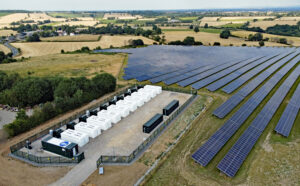

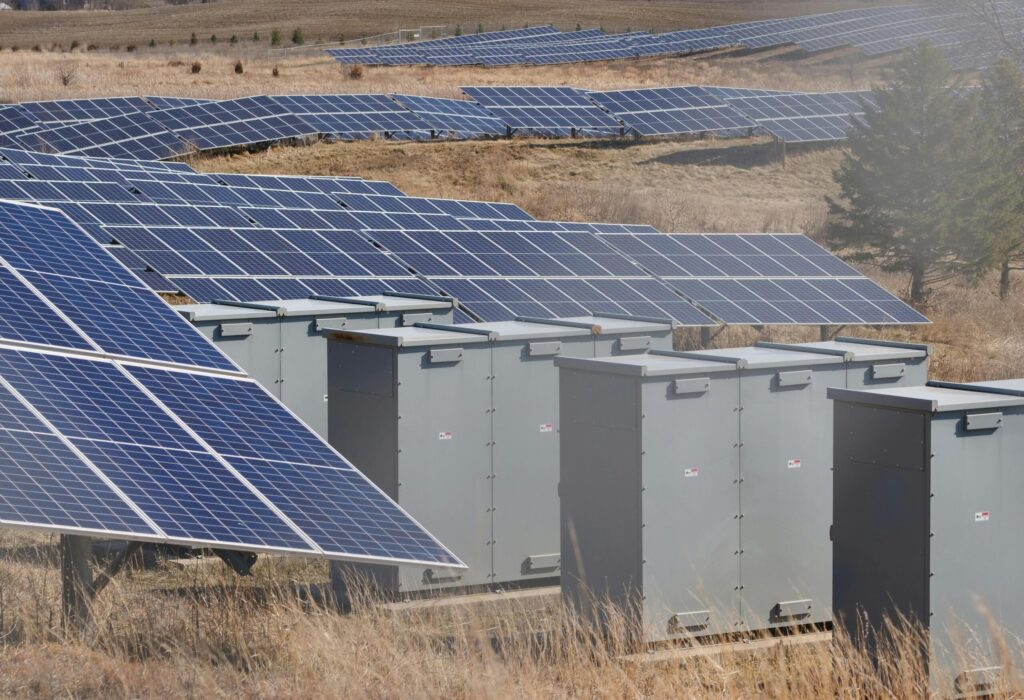
- Energy storage installations jumped by 48% in 2025 to 112 GW/307 GWh and are expected to rise by 41% to 158 GW/459 GWh in 2026.
- China accounted for 54% of 2025 additions and the US 16%, with utility‑scale projects making up 85%.
- Long‑duration storage (six hours+) is set to quadruple and the ratio of solar to storage installations is narrowing, signalling maturity in the renewable‑plus‑storage sector.
Global battery storage deployment has entered a new era, with installations exceeding 100 GW for the first time in 2025 and set for another major leap this year.
BloombergNEF’s 1H 2026 Energy Storage Market Outlook shows that 112 GW of storage capacity was commissioned in 2025 – up 48% from the previous year – and forecasts a further 41% increase to 158 GW in 2026. That growth puts energy storage on course to become a mainstream component of power systems, narrowing the gap with solar PV as countries strive to firm renewable generation.
The report notes that global cumulative storage capacity, excluding pumped hydro, reached around 2.9 TW at the end of 2025. BNEF expects cumulative capacity to soar to 2,867 GW and 10,514 GWh by 2036, reflecting more than a ten‑fold increase in a decade. Annual additions are projected to climb to 306 GW in 2036, signalling a long‑term structural shift in power systems towards storage.
Regional dynamics remain uneven. China maintained its lead in 2025, accounting for 54% of new installations, while the US contributed 16%. Utility‑scale projects dominated, representing 85% of capacity additions, mostly used for energy shifting.
Grid resilience key
Technology trends are also shifting. Lithium‑iron‑phosphate (LFP) cells made up around 90% of annual additions and will continue to dominate. However, BNEF predicts annual additions of long‑duration storage (six hours or more) will quadruple to about 2 GW, reflecting interest in chemistries and configurations capable of supporting grid resilience during prolonged low‑renewable periods.
Sodium‑ion batteries are beginning to emerge, with large supply agreements such as CATL’s 60 GWh deal with HyperStrong, but analysts are cautious about forecasting their share.
The report notes that the ratio of solar to storage installations has narrowed dramatically – from 56:1 in 2016 to 6:1 in 2025 – and may fall to 4:1 in 2026. This suggests that co‑located or hybrid projects are becoming the norm as grid operators demand firm capacity alongside variable renewables.
BNEF said the ongoing Iran conflict had limited direct impact on storage markets because battery supply chains remain dominated by China, although higher oil prices could raise shipping and manufacturing costs and increase revenues for storage due to wider intraday price spreads.
For UK stakeholders, the outlook has several implications. First, it underscores that the UK’s ambition to deploy 24 GW of battery storage by 2030 sits within a rapidly expanding global market; competition for equipment and skilled labour will intensify, especially as China dominates supply chains.
Second, the rise of long‑duration storage and alternative chemistries points to future opportunities for UK R&D and regulatory frameworks to support diverse technologies.
Third, the declining solar‑to‑storage ratio suggests that planning rules and market structures must adapt to facilitate co‑located projects, which can help manage grid constraints and reduce curtailment. Finally, the concentration of deployment in China and the US may prompt the UK government to consider industrial policy measures – such as local manufacturing incentives – to secure a strategic share of this burgeoning market.