
- The Gulf sovereign investor joins American and Danish partners in UK offshore wind.
- The 2.9 GW project is slated to power more than 3 million homes when it enters service.
- Investment underscores global capital appetite for UK renewables and the rising importance of data‑centre electricity demand.
Abu Dhabi’s state‑owned Mubadala Investment Company has agreed to invest US$325 million in Ørsted’s Hornsea 3 offshore wind project off the Norfolk coast, partnering with funds managed by Apollo Global and Danish developer Ørsted.
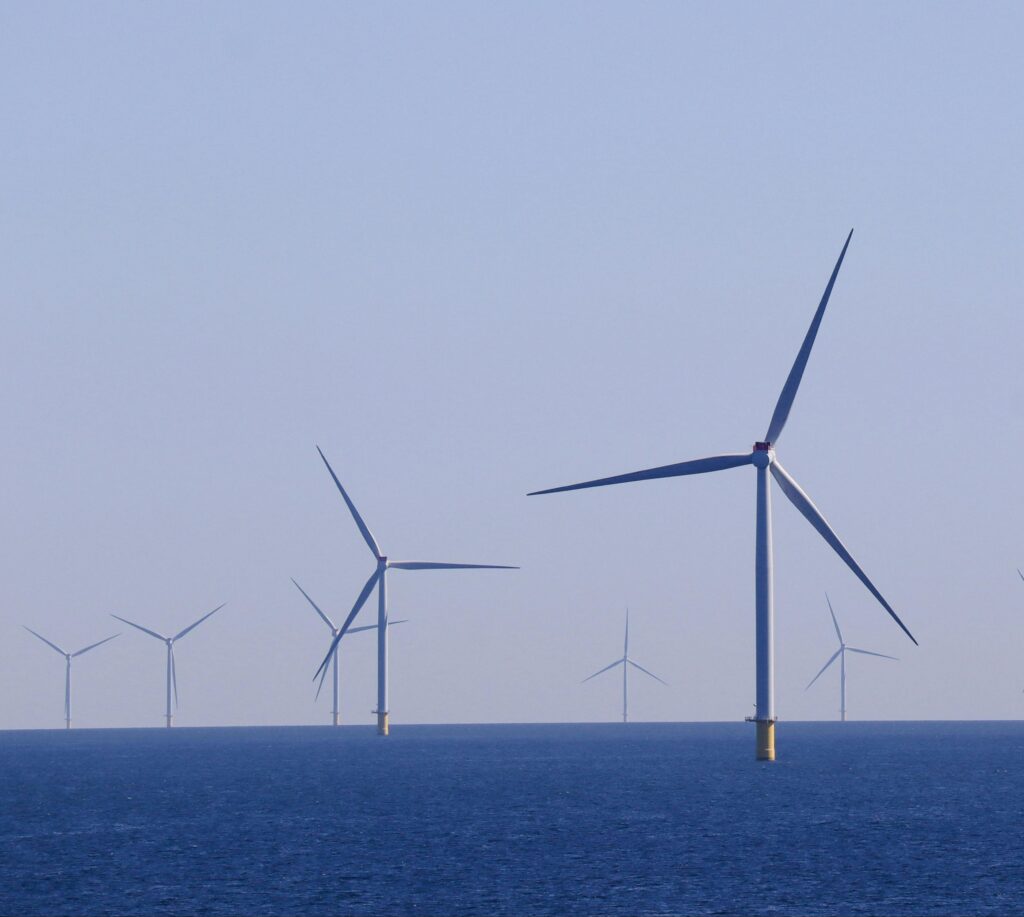
Hornsea 3 will be the world’s largest single offshore wind farm, delivering 2.9 GW of capacity and is scheduled to begin producing power in 2028. The project builds on Apollo’s purchase of a 50% stake late in 2025 and aims to supply clean electricity to more than 3 million British homes.
Mubadala’s commitment gives the £8.5 billion project a major financial boost at a time when rising borrowing costs and supply chain inflation are challenging large‑scale renewables. Ørsted sold half the project to Apollo last year, securing fresh capital and a partner willing to co‑fund construction and transmission assets.
Mubadala will now invest alongside Apollo to acquire part of that stake, broadening the investor base and signalling continued confidence from the Middle East in British clean‑energy infrastructure. According to the OEDigital report, the deal reflects growing long‑term electricity demand “driven by electrification and expanding data centre infrastructure”.
Offshore wind boom
Hornsea 3 is the third and largest phase of Ørsted’s Hornsea zone, following the 1.2 GW Hornsea 1 and 1.4 GW Hornsea 2 projects. Together they will create a 5 GW wind zone in the North Sea, underscoring the UK’s ambition to reach 50 GW of offshore wind by 2030.
The 2.9 GW third phase is expected to cost about $11 billion and will feature up to 200 giant turbines and an extensive transmission network linking the project to the national grid. Apollo’s investment last year included an agreement to fund half of the remaining construction costs, and Mubadala’s cash injection will support procurement and early works.
The scale of Hornsea 3 makes it a bellwether for global appetite for offshore wind. Over the past 18 months, high inflation and supply‑chain constraints forced Ørsted to cancel the 2.8 GW Ocean Wind 2 project in the US and to cut thousands of jobs.
Hornsea 3’s ability to attract a sovereign investor suggests that well‑structured UK projects can still secure capital, provided developers share risk and secure contracts. Mubadala’s investment comes as data‑centre growth accelerates electricity demand; hyperscale facilities require reliable, renewable power to meet net‑zero targets and avoid grid congestion.
With the Hornsea zone expected to supply more than 5 GW when complete, it will play a critical role in powering both households and data‑driven industries.
The move highlights how geopolitical diversification of investors can strengthen project resilience. A Gulf investor may bring long‑term capital with different return expectations than Western funds, potentially stabilising financing costs. It also shows the continued relevance of the UK’s contract‑for‑difference regime in attracting global money, even amid cost pressures.
As the UK government revises offshore wind tender terms to account for inflation, the success of Hornsea 3 will be watched closely. If delivered on time, the project could boost supply‑chain confidence and support local manufacturing, while delays or cost overruns might dampen investor enthusiasm for subsequent rounds.
The tie‑up between Ørsted, Apollo and Mubadala indicates that long‑term, diversified partnerships are becoming essential for gigawatt‑scale offshore projects.