
- The 1.2 GW / 4.8 GWh Hanworth battery has entered federal environmental assessment alongside the New South Wales planning process.
- The AU$1.9 billion project could supply more than 500,000 homes during the evening peak, but its proposed January 2028 construction start remains dependent on planning, environmental and grid approvals.
- Hanworth illustrates the growing role of four-hour batteries as coal-replacement infrastructure, while also exposing the permitting and biodiversity risks facing even relatively compact storage developments.
Octopus Australia has taken one of the country’s largest proposed battery projects into federal environmental assessment as it looks to build a portfolio capable of replacing ageing coal-fired power stations with renewable electricity.
The company, through development partner Enervest, has referred the 1.2 GW / 4.8 GWh Hanworth Battery Project for assessment under Australia’s Environment Protection and Biodiversity Conservation Act.
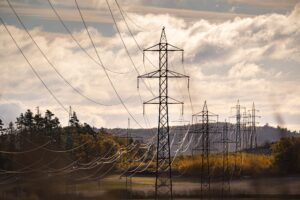
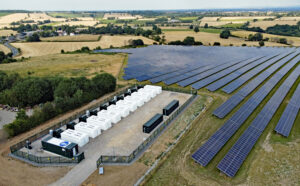
The scheme would comprise around 708 battery containers, a 33kV/500kV substation and associated switching equipment near Bannaby in New South Wales. It would connect through an underground cable to Transgrid’s existing 500kV Bannaby substation, which is being expanded as part of the HumeLink transmission project.
Octopus describes Hanworth as Australia’s largest planned battery and estimates that it could store enough electricity to supply more than 500,000 homes during the evening peak. Its four-hour duration would allow the plant to perform a broader energy-shifting role than shorter batteries developed primarily for frequency response.
The project has an estimated capital value of AU$1.9 billion (£930 million) and is classified as State Significant Development in New South Wales. The state’s planning portal shows the project at the environmental impact statement preparation stage, meaning it has not yet received development consent.
Federal authorities have separately opened the EPBC referral for public comment. Construction and commissioning could take around 32 months, with documents identifying January 2028 as a provisional starting point and a 25-year operating life.
Octopus acquired Hanworth from Enervest in February but retained the developer to manage planning, environmental and community engagement. At the time, Enervest chief executive Ross Warby said the transaction moved the asset to a partner positioned to advance it “at pace”.
Octopus Australia chief executive Sam Reynolds added: “While some investors are stepping back, we’re stepping forward.”
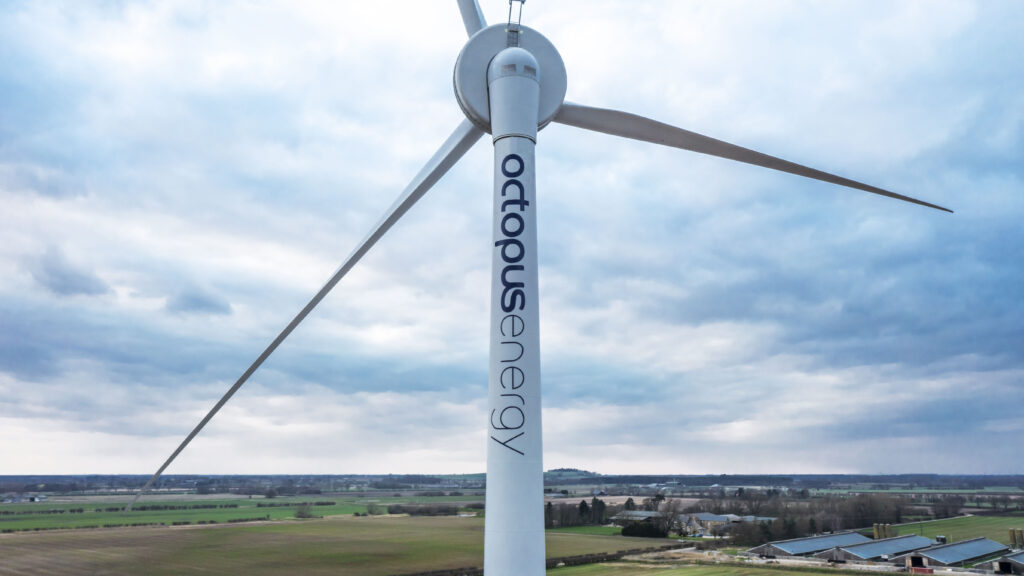
The original announcement positioned batteries, solar and wind as an integrated replacement for coal rather than separate asset classes.
The future of storage
Hanworth’s scale reflects the direction set by the Australian Energy Market Operator. Its 2026 Integrated System Plan envisages approximately 35 GW of short and medium-duration storage for daily balancing by 2050, alongside 5 GW of longer-duration capacity.
The commercial challenge is becoming more important as Australia’s battery pipeline expands. A large queue does not guarantee that projects will secure consent, transmission capacity, equipment and viable revenue arrangements. Hanworth must also compete with other battery proposals seeking access around Bannaby.
The project offers a useful glimpse of where the global storage market is heading. Four-hour assets are increasingly being financed as infrastructure that can convert intermittent generation into dependable supply contracts, rather than relying solely on volatile ancillary service revenues.
Hanworth also demonstrates the strategic value of Octopus’s portfolio model. Combining geographically dispersed wind, solar and storage assets could produce more stable contracted electricity for large customers. If successful, the approach may provide lessons for investors seeking to finance storage as part of an integrated power portfolio.