
- Brent crude futures climbed by 2.4% to $108.22 per barrel after US President Donald Trump said he was running out of patience with Iran and that Tehran must reopen the Strait of Hormuz.
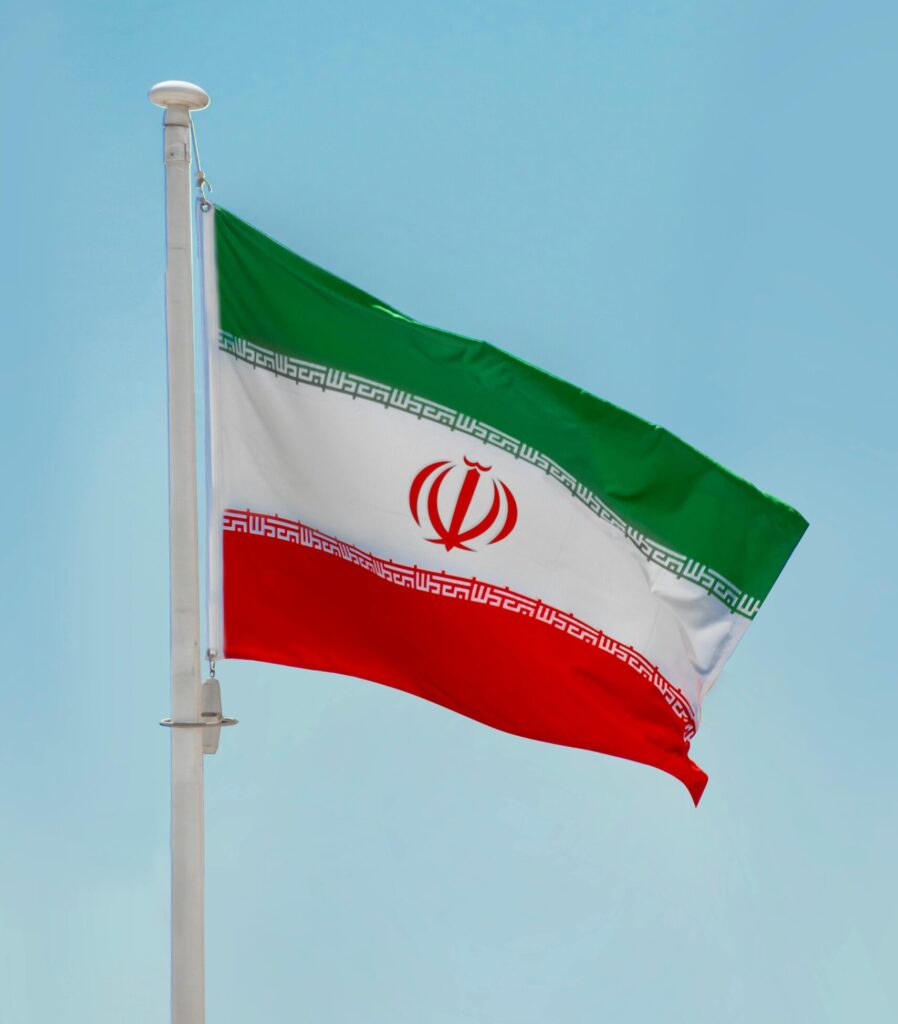
- Iran’s foreign minister Abbas Araqchi responded that Iran is prepared to resume fighting but is willing to negotiate if the US is serious.
- During the US-China summit, Trump claimed that China wants to buy US oil and hinted at lifting sanctions on Chinese firms that import Iranian crude.
Oil traders received another jolt of geopolitical risk on 15 May as diplomatic manoeuvring around the Iran war intensified.
Speaking after a summit with Chinese President Xi Jinping, US President Donald Trump told reporters he was “running out of patience” with Tehran and that he and Xi agreed Iran must reopen the Strait of Hormuz.
The comments followed months of uneasy ceasefire and came as Iran’s foreign minister Abbas Araqchi declared that the Islamic Republic was prepared to resume fighting if the US was not serious about negotiations.
The rhetoric sent benchmark prices higher: Brent settled around $108 per barrel and WTI at $104, with both contracts poised for hefty weekly gains.
Traders were already on edge after Iran’s Revolutionary Guards expanded their claimed operational zone in the strait and attacks on ships continued. Although ship traffic has increased – around 30 vessels traversed the waterway between Wednesday and Thursday, according to Guards reports, up from five to seven per day in recent weeks – it remains far below the pre‑war average of 140 vessels per day.
Market analysts noted that the uptick in traffic is improving sentiment more than supply, with most tankers sailing under switched‑off trackers to avoid detection.
Trump also sought to enlist Beijing’s help in isolating Tehran, claiming that China wanted to buy US oil and signalling he might lift sanctions on Chinese companies that purchase Iranian crude.
The episode highlights the delicate balance between geopolitical diplomacy and energy markets. Any new fighting in Hormuz could push crude prices higher, exacerbating inflation and squeezing consumers, while a negotiated opening could release pent‑up supply and soften prices.
The UK’s energy industry must therefore continue to hedge against volatility and accelerate its shift toward domestic renewables and demand‑side flexibility to reduce reliance on imported oil.