
- OPEC+ leaders agreed to raise their collective output target for July by 188,000 barrels per day – the third consecutive monthly increase.
- Only seven countries will receive higher quotas, reflecting the still‑dominant role of core producers.
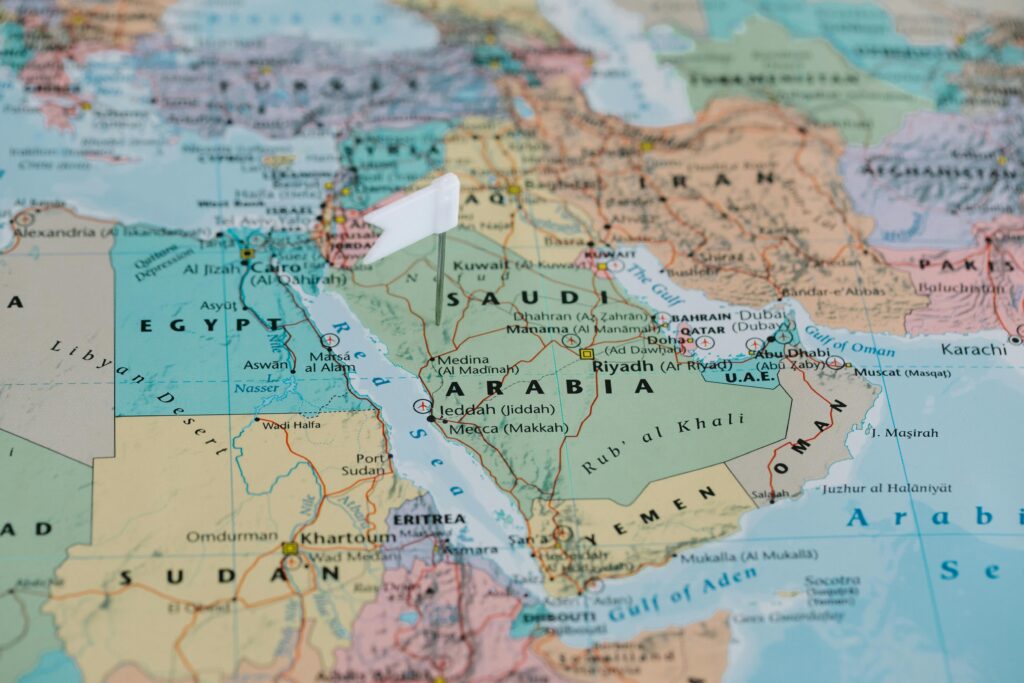
- Actual production is constrained by the closure of the Strait of Hormuz. Gulf states have lost about 9.9 million bpd of output, making the quota hike largely symbolic.
OPEC and its allies have once again tweaked their oil output targets, announcing a modest July quota increase of 188,000 barrels per day.
The decision, made at a ministerial meeting on 1 May, comes against the backdrop of the Iran war which has closed the Strait of Hormuz and removed millions of barrels per day from global supply. With actual exports constrained by geopolitical factors, analysts say the OPEC+ move is more about signalling cohesion than shifting the oil market.
The OPEC+ group, comprising 21 oil‑producing nations, has been implementing rolling production cuts since 2023. In February, when the Iran conflict began disrupting shipping, the group introduced deeper voluntary cuts.
The May decision marks the third consecutive month in which OPEC+ has relaxed quotas, a pattern some analysts describe as an effort to project normality despite extraordinary circumstances.
According to Reuters, the July increase will be shared among Saudi Arabia, Iraq, Kuwait, Algeria, Kazakhstan, Russia and Oman. These countries will see their quotas rise, while other members maintain existing levels. The increase comes from a pool of withheld barrels; the group still plans to cut roughly two million barrels per day from collective output until the end of 2026.
However, with the Strait of Hormuz closed, most Gulf producers cannot ship crude at anywhere near their allocated quotas. Saudi Arabia, for example, has curtailed output by more than three million bpd because of the closure. Analysts note that if the strait remains shut, the July quota will merely bring paper allowances closer to physical production levels rather than adding supply to the market.
OPEC+ officials argue that maintaining gradual quota adjustments helps anchor expectations and prevent price spikes. They emphasise that the decision was unanimous and underscores the group’s “unity of purpose”, even as some members, notably the UAE, have expressed frustration at production constraints.
Balancing act
The 188,000 bpd quota increase is unlikely to have a material impact on oil markets in the short term – but it carries political weight. By adjusting quotas, OPEC+ seeks to maintain credibility as a stabilising force rather than appear paralysed by the Iran crisis.
The quota announcement signals that the cartel does not intend to unleash a flood of crude to bring prices down. Brent remains above $108 per barrel and the combined effect of the Hormuz blockade, plus summer demand, suggests tight conditions will continue.
The message is clear: producers will calibrate supply at the margin, but unless the Strait reopens the world will continue to deal with a supply shortfall.
From a transition perspective, high oil prices may accelerate investment in renewable energy and energy‑saving technologies, but they also threaten to slow economic growth and complicate policy.
The OPEC+ balancing act reflects its members’ need to maximise revenue while avoiding demand destruction – a delicate balance in a world increasingly shaped by geopolitical turmoil and decarbonisation imperatives.