
- OPEC’s latest monthly report has cut the forecast for 2026 global oil demand growth from 1.38 million barrels per day to 1.17 million bpd. The reduction reflects the economic fallout from the Iran war and high prices.
- The cartel raised its 2027 demand‑growth projection to 1.54 million bpd as economies recover, implying that demand destruction is temporary.
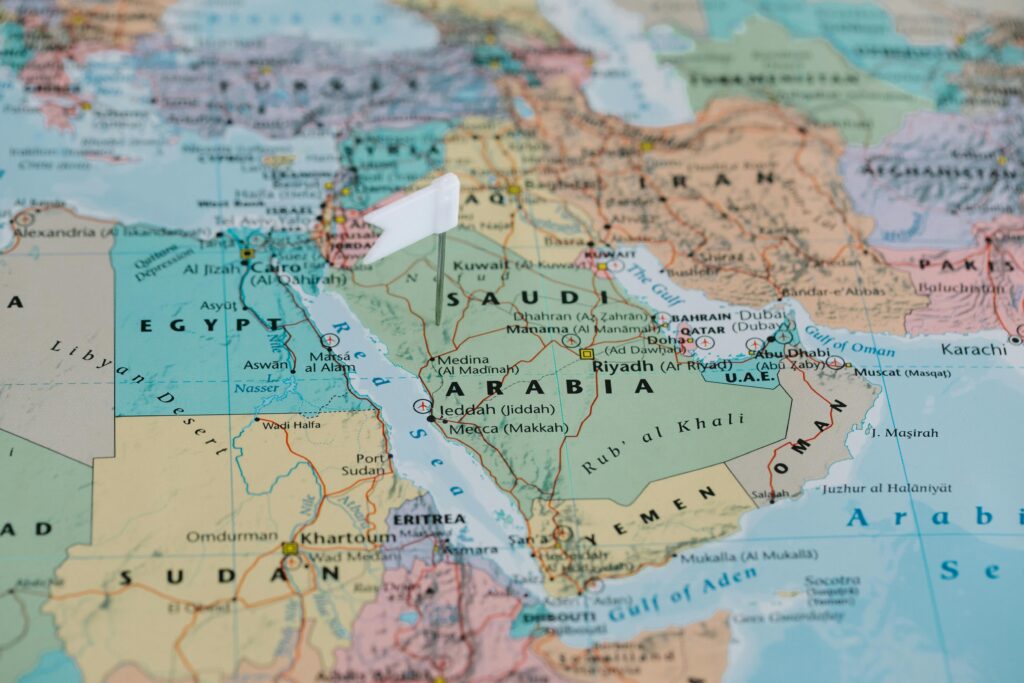
- The report notes that closure of the Strait of Hormuz has curtailed millions of barrels of Middle East output and sent fuel prices soaring.
OPEC’s May oil market report reflects a delicate balancing act: acknowledging the immediate hit to demand from sky‑high prices and economic slowdown while signalling confidence in a recovery next year.
The producer organisation lowered its 2026 oil‑demand growth forecast to 1.17 million bpd, down from 1.38 million in last month’s report. The downward revision reflects the Iran war’s impact on the global economy and consumer spending.
The closure of the Strait of Hormuz, through which a fifth of global oil flows, has disrupted shipments, driving up prices and prompting governments to conserve supplies.
Despite the near‑term gloom, OPEC raised its 2027 demand‑growth projection to 1.54 million bpd, signalling an expectation that economic activity will rebound once the conflict stabilises. The group also kept its forecast for demand growth in 2028 and 2029 largely unchanged, suggesting the pandemic‑era pattern of incremental growth will resume.
Nevertheless, the supply situation remains precarious: the report notes that OPEC+ output fell by 1.74 million bpd in April as producers closed fields and reduced exports. As a result, the global market remains tight despite weaker demand.
The difference between OPEC’s forecast and the IEA’s projection of a large supply deficit illustrates the high degree of uncertainty. Some analysts argue that OPEC’s estimates may be optimistic; if the Strait of Hormuz remains closed and non‑OPEC production cannot fill the gap, demand destruction could be larger and prices higher.
Others note that high prices are spurring investment in US shale and other non‑OPEC sources, which could temper deficits.
OPEC’s report is a reminder that the oil market outlook hinges on geopolitical developments and economic trends. The group’s belief in a 2027 rebound suggests that oil will continue to play a significant role in the global energy mix for years to come, even as countries accelerate electrification.
Companies should prepare for price volatility and be ready to hedge against both supply‑driven spikes and demand‑driven slumps. Policymakers should weigh the benefits of diversifying energy sources and building resilience against supply disruptions.