- UK Chancellor Rachel Reeves has extended and increased the Energy Profits Levy on North Sea oil and gas producers, introducing a permanent windfall tax to capture excess profits during future price spikes.
- Reeves announced reforms to tax foreign branch profits of UK‑based oil and gas groups, aiming to raise hundreds of millions of pounds.
- Charities and unions have urged Reeves to go further, calling for levies on banks, defence firms and tech companies and warning against profiteering.
UK chancellor Rachel Reeves has announced an extension of the North Sea windfall tax, promising new measures to ensure companies benefiting from high oil and gas prices pay more.
Her decision comes amid growing public anger over rising energy bills as price spikes boost profits across the energy sector in the wake of the Middle East conflict.
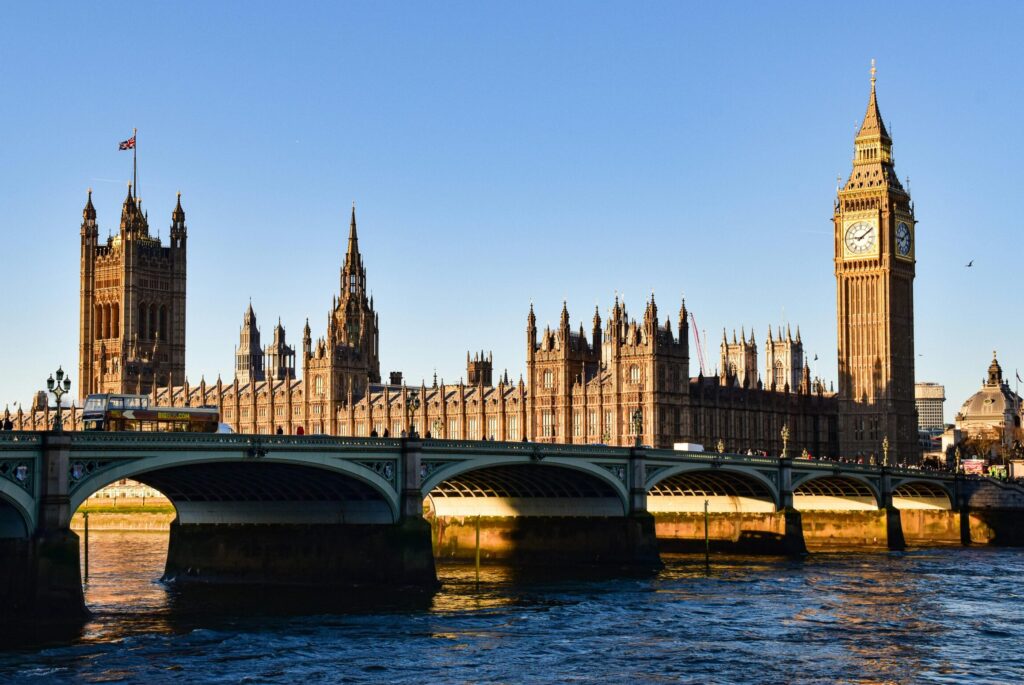
In her statement to Parliament on 21 May, Reeves confirmed that the Energy Profits Levy – introduced in 2022 as a temporary windfall tax on North Sea oil and gas producers – would be extended and increased.
Significantly, she announced that the levy would be converted into a permanent windfall tax regime, ensuring that exceptional profits arising from price spikes are always subject to higher taxation. Reeves framed the move as part of a broader effort to ensure those benefiting from the crisis “pay their fair share” while supporting households and businesses.
Reeves also unveiled plans to reform the taxation of foreign branch profits of UK‑based oil and gas groups. Currently, many companies book trading profits in low‑tax jurisdictions, avoiding UK corporation tax.
The chancellor said closing this loophole would raise hundreds of millions of pounds and promised to use the proceeds to fund cost‑of‑living support and invest in renewable energy and grid upgrades.
‘Profiteering’
Pressure to act has grown in recent weeks. An open letter signed by Greenpeace, the National Education Union and other organisations urged Reeves to toughen the windfall tax, introduce levies on banks and defence companies and invest the proceeds in energy security.
With inflation rising and households facing higher energy bills from July, campaigners argue that profiteering should not go unchecked. Reeves responded by telling companies she would not tolerate price gouging and that the Competition and Markets Authority had been put on alert.
The chancellor’s measures represent a shift from earlier speculation that she might scrap the energy profits levy as soon as 2029. However, the new permanent structure suggests she recognises that volatile energy prices are likely to persist. Reeves emphasised that the levy will remain responsive to market conditions, implying that rates will adjust as prices normalise.
Energy populism
Reeves’ plan balances political pressures and economic realities. By extending and making the windfall tax permanent, she taps public anger over corporate profits and signals solidarity with households. Reforming foreign branch profit taxation addresses long‑standing concerns about tax avoidance in the oil and gas sector.
However, there is a risk that higher taxes could deter investment in the North Sea just as the UK seeks to maintain production to improve energy security. Industry groups warn that punitive taxes may accelerate decommissioning and limit new exploration.
In responding to demands from charities and unions to broaden the tax to banks and defence companies, Reeves is treading carefully. She has not yet committed to sector‑wide levies but has kept the door open. Her warning against price gouging suggests regulators will play a larger role in monitoring markets.
The tax changes signal that high energy prices are politically unacceptable without compensatory measures. Revenues from windfall taxes may help fund renewables, storage and efficiency programmes. At the same time, heavy taxation of fossil fuel producers could reduce domestic supply, exacerbating short‑term price volatility.
The challenge will be to design a tax regime that captures windfall gains while maintaining investment incentives during the energy transition.