
- Analysts at Cornwall Insight expect Ofgem’s domestic price cap to rise from £1,641 today to about £1,850 in July, adding around £209 to a typical dual‑fuel household bill.
- The consultancy projects that wholesale gas and electricity prices will remain elevated into autumn, meaning the cap may not fall in October.
- The big driver is the war in Iran, which has shut the Strait of Hormuz. Roughly 20% of global oil and LNG supplies normally pass through the strait, and its closure has pushed global fuel markets higher.
With Britain’s energy watchdog Ofgem due to update its domestic price cap in July, Cornwall Insight has predicted the cap will rise by roughly 13% from £1,641 today to around £1,850 per year.
The increase would add about £209 to a typical dual‑fuel household bill, reversing most of this spring’s reduction.
Analysts say wholesale gas and electricity prices have climbed rapidly since the Iran war, which closed the Strait of Hormuz and blocked one‑fifth of global oil and LNG flows.
Even if military tensions ease, damage to Gulf infrastructure means little spare capacity will be available, keeping gas markets tight through autumn.
“The bigger concern is October when demand picks up again and current forecasts point to a similar cap level as July,” Cornwall Insight said.
“While the October cap will depend on how the Middle East conflict unfolds, even if the conflict were to end tomorrow, the physical damage to infrastructure and lingering effect of disrupted supply means a fall back to April’s price cap levels in the autumn looks unlikely.”
The expected jump in the cap has broad implications. Britain’s energy-price cap, introduced in 2019, caps the unit rates and standing charges suppliers can levy on households. With wholesale costs making up roughly half of the cap’s formula, geopolitical shocks quickly feed into bills.
The government’s £400 “energy bills support scheme” ended last year; there is no guarantee of further support. Meanwhile, inflation has reaccelerated and mortgage rates are near 6%, creating political pressure to shield consumers.
Consumer advocates warn that another winter of £1,800‑plus bills could see some households spend more than 10% of their income on energy, the threshold used to define fuel poverty.
Iran conflict drives price surge
The projected rise underscores how the energy transition intersects with geopolitics. As the UK phases out North Sea production and imports more LNG, the country is increasingly exposed to global price shocks.
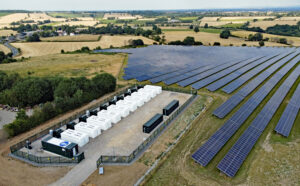
The International Energy Agency says that blocking Hormuz has removed a fifth of global oil and LNG supply. Energy‑security advocates argue that accelerating domestic renewable generation, storage and efficiency is now as much about insulating consumers as decarbonisation.
Opponents caution that relying on intermittent renewables without sufficient back‑up can also expose households to volatility. July’s cap decision will therefore be read not only as a regulatory update, but as a test of Britain’s energy‑transition strategy.