

- Volvo has started series production of a heavy electric truck capable of a claimed 700 km per charge, extending battery-electric technology into long-haul operations.
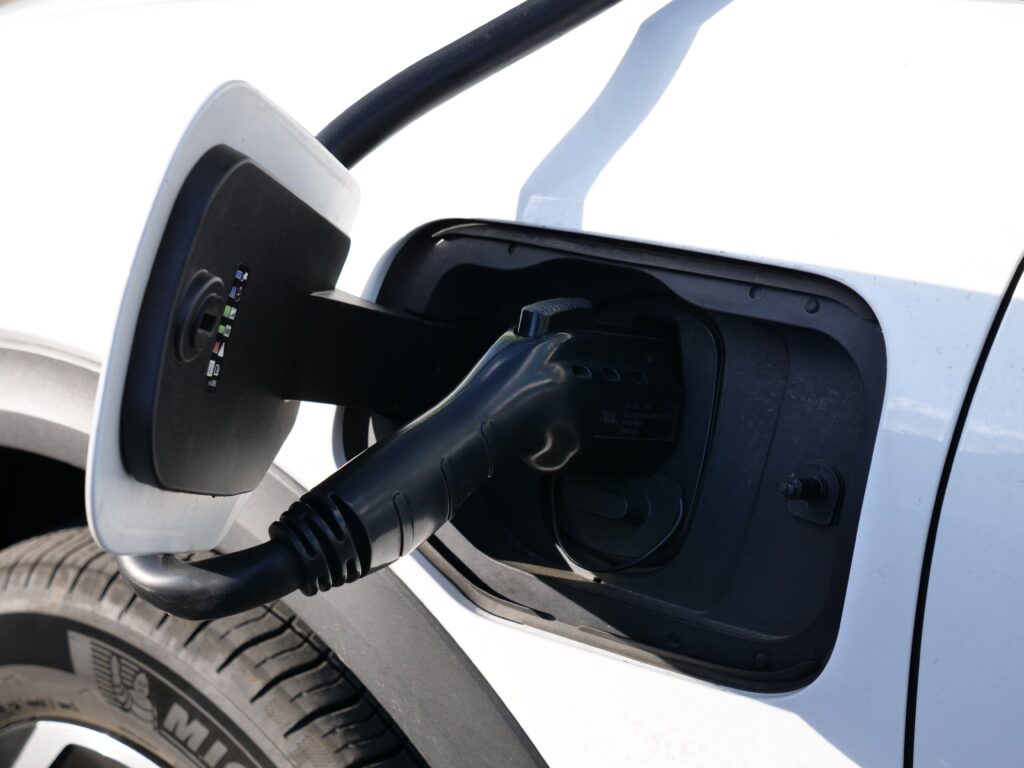
- The FH Aero Electric can accept 700kW megawatt charging, taking its battery from 20% to 80% in approximately 50 minutes.
- Range is becoming less of a barrier than charging access, grid capacity, vehicle cost and operators’ confidence in residual values.
Volvo Trucks has begun series production of its latest heavy battery-electric range, including an FH Aero Electric designed to travel up to 700 km on one charge.
The first vehicles have left the Tuve plant near Gothenburg, with production also planned at Volvo’s Ghent factory in Belgium. The range includes revised FH, FM and FMX Electric models capable of up to 470km, alongside the extended-range FH Aero flagship.
The FH Aero’s principal innovation is a compact electric axle combining two motors and a six-speed gearbox. Moving the drivetrain into the rear axle frees chassis space for six or eight battery packs.
Volvo specifies gross combination weight of up to 44 tonnes, payload of up to 28 tonnes and maximum output of 460kW. Using a 700kW Megawatt Charging System connection, the battery can be charged from 20% to 80% in about 50 minutes; a 350kW CCS charger requires approximately 85 minutes.
“It has never been easier to replace diesel trucks with electric ones,” Volvo Trucks president Roger Alm said when the range was unveiled.
The 700 km figure is not a guaranteed operational range. Volvo says weather, gradients, vehicle weight, wind resistance and driving behaviour will all affect performance. Operators can also specify fewer batteries to trade range for payload or reduce capital cost.
Market penetration problem
Series production is more significant than a prototype range record. A 700 km truck can cover many European daily duty cycles without en-route charging, while a 50 minute high-power session can potentially fit within a driver’s statutory break.
Yet market penetration remains low. The International Council on Clean Transportation recorded almost 5,000 zero-emission heavy truck registrations in the EU during 2025 – just 1.9% of the market. Volvo’s zero-emission share of its own European heavy truck sales remained around 2% during much of the year.
The UK lags several northern European markets. Government figures show zero-emission vehicles accounted for 0.6% of new UK HGV registrations in 2024, rising to about 1% in the first half of 2025.
The infrastructure mismatch is stark. The European vehicle manufacturers’ association ACEA estimated that only about 1,100 public European charge points rated at 350kW or above were suitable for heavy trucks in mid-2025. It says approximately 50,000 publicly accessible truck chargers, including 35,000 megawatt units, could be needed by 2030.
The UK has started addressing depot infrastructure through a £170mn multi-year charging scheme, while purchase grants can cover up to 40% of the cost of the heaviest qualifying zero emission trucks. The government is also considering support for expensive electricity network upgrades at motorway service areas.
Volvo has not disclosed the production volume, pricing or initial UK allocation of the new range. Nevertheless, the engineering threshold has shifted. The key question is whether depots and motorway sites can secure megawatts of affordable grid capacity – and whether finance, utilisation and electricity tariffs make the vehicle competitive over its working life.