
- The Welsh government is consulting on combining Trydan Gwyrdd Cymru, Ynni Cymru and relevant energy service functions into one publicly owned company.
- The proposed institution could develop and retain renewable assets, invest alongside communities and support storage, flexibility and local energy systems.
- Its credibility will depend on access to capital, with a single 100 MW onshore wind project potentially requiring £100m to £200m.
The Welsh government has proposed a consolidated publicly owned energy company with a mandate to develop renewable projects, attract investment and retain a greater share of the energy transition’s economic value in Wales.
In a consultation published on Monday, the government sets out plans to bring together the state-owned renewable developer Trydan Gwyrdd Cymru, Ynni Cymru and relevant functions of the Welsh Government Energy Service. Responses are being accepted until 30 November.
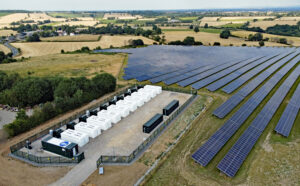
The new company would not become a household energy supplier, regulate prices or seek to displace private developers. Its proposed role would instead cover project development and ownership, community investment, smart local energy systems and measures to relieve industrial grid constraints through storage, flexibility and behind-the-meter generation.
It could also test emerging commercial models involving hydrogen, local energy markets and integrated energy systems.
“The proposal in this consultation is therefore about more than institutional tidying,” cabinet minister for enterprise, connectivity and energy Adam Price said in the consultation’s foreword. “It is about whether Wales should create a serious national energy institution with the capability to turn plans into projects, projects into assets, and assets into long-term public value.”
No decisions have yet been taken on the company’s legal status, governance, balance sheet or precise functions. The government is considering using Trydan as its institutional foundation.
Trydan, described as the UK’s first government-owned renewable energy developer, has a target to develop 1 GW of new renewable capacity on Welsh public land by 2040. The consolidated company could receive preferred-developer status or first refusal over appropriate public sites.
Lasting ownership value
The consultation’s most significant proposals concern ownership rather than administrative structure.
Welsh ministers are seeking views on whether renewable projects larger than 5 MW should be expected to offer between 15% and 25% local or community ownership. The company could take equity stakes on behalf of communities, while a proposed Welsh Energy Wealth Fund could retain and distribute investment returns.
Options remain open, but they signal an effort to move beyond community-benefit payments towards lasting ownership of revenue-generating infrastructure.
Ynni Cymru’s existing grant-led model could similarly evolve towards equity investment, revenue sharing and “energy as a service” arrangements. That change could allow public money to be recycled across multiple projects rather than spent once, although it would also expose the company to construction, power price and operating risks.
Financing is the central constraint. The consultation estimates that a 100 MW onshore wind farm could require between £100m and £200m of capital. Welsh government borrowing capacity is limited, meaning the company may have to combine public funding with capital from the UK’s National Wealth Fund, pension funds, private investors or public share offers.
It will also face a fundamental choice between selling projects once they secure planning consent, generating earlier but finite receipts, and retaining operating assets to earn income over several decades. A mixed model is the most likely outcome, but the balance will determine whether the company genuinely accumulates public wealth.
The proposal has to be assessed against Great British Energy and the continuing responsibilities of private network companies, Ofgem and the UK government. Many of the barriers affecting Welsh renewable projects, particularly grid connections, market regulation and larger financing decisions, extend beyond devolved powers.
There is also a risk that consolidation merely transfers institutional complexity into a larger organisation. The Welsh Government Energy Service’s current framework ends in March 2027 and ministers are considering a successor service alongside the new company, including a possible single point of access for public sector organisations and developers.