
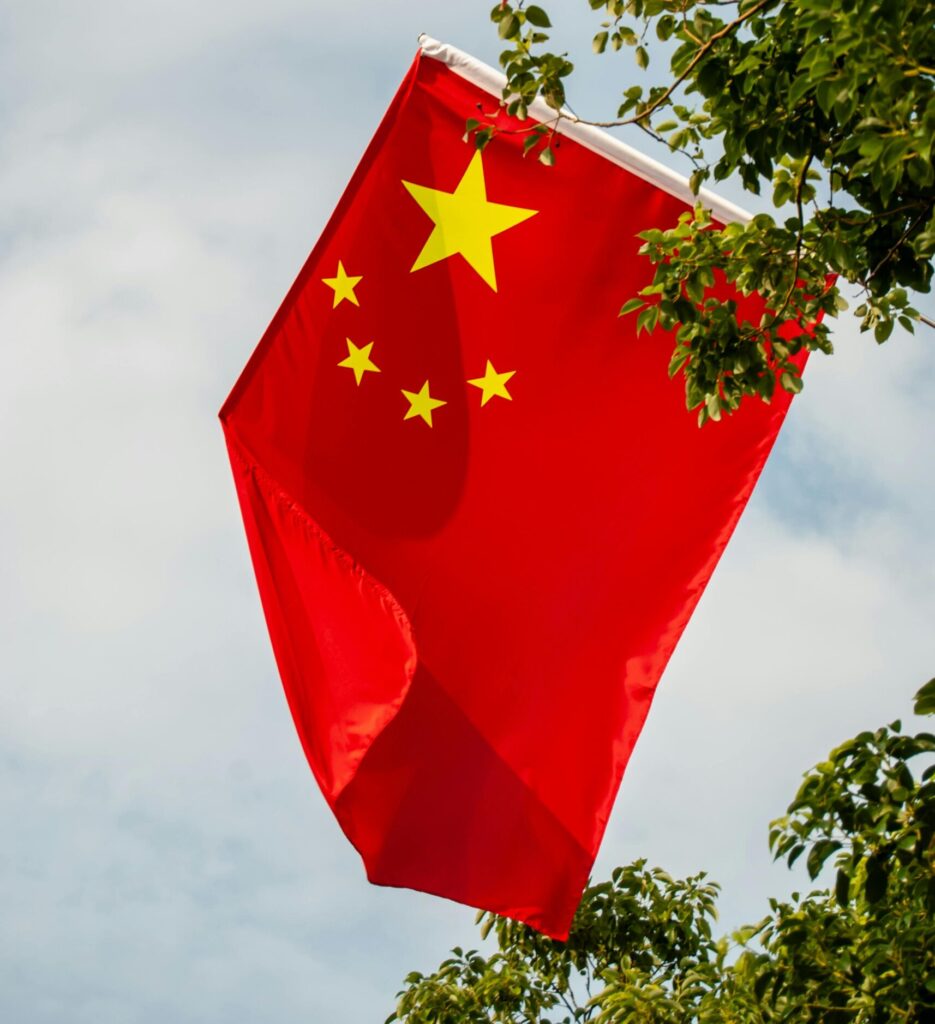
- China’s President Xi Jinping and Russia’s President Vladimir Putin used their May summit to jointly criticise US missile‑defence initiatives, accusing Washington of threatening global security.
- The leaders did not reach agreement on the Power of Siberia 2 gas pipeline, a proposed 50 billion cubic metre pipeline from Russia’s Arctic to China via Mongolia. Disputes over pricing and contract terms persist.
- Russia urgently needs the pipeline to compensate for lost European markets, but China is driving a hard bargain. Analysts say the delay underscores Beijing’s negotiating leverage.
Russia’s President Vladimir Putin’s visit to Beijing in May was billed as a chance to deepen the strategic partnership between the two geopolitical heavyweights and to finalise major energy agreements.
Instead, the summit produced little by way of concrete deals. While Presidents Xi and Putin presented a united front against US foreign policy, they failed to clinch agreement on the long‑awaited Power of Siberia 2 pipeline. The stalemate illustrates how Moscow’s pivot eastward is constrained by China’s negotiating power.
Power of Siberia 2
At a joint press conference, Xi and Putin reiterated their opposition to the US missile defence programme, with Xi condemning what he called Washington’s attempts to create an Indo‑Pacific shield that threatens strategic stability. The two leaders signed a series of agreements on trade and cultural cooperation, but nothing on oil and gas.
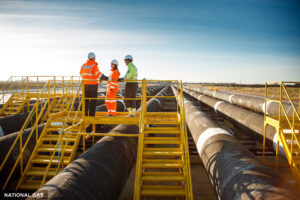
The Power of Siberia 2 pipeline was expected to be the centrepiece of the summit. The 50 billion cubic metre project would transport gas from Russia’s Arctic Yamal fields through Mongolia to China, helping Russia redirect volumes lost from the European market.
According to Reuters, the leaders acknowledged progress on the route and construction methods but conceded that pricing and contract terms remained unresolved. Without a price formula acceptable to both sides, Chinese companies have been reluctant to commit to long‑term offtake.
Moscow is keen to secure the pipeline. After its invasion of Ukraine, Russia’s exports to Europe plummeted, and revenues from gas fell sharply. The existing Power of Siberia 1 pipeline, commissioned in 2019, currently delivers about 22 bcm annually to China.
Power of Siberia 2 would more than double that, but negotiations have dragged on for years. Analysts note that China, with access to diversified LNG and pipeline supplies, is under no immediate pressure to conclude a deal; Beijing can therefore drive a hard bargain on price and timing.
Divergent interests
The absence of an energy deal at the summit highlights the limits of the Sino‑Russian partnership. While both governments share a desire to counterbalance US influence, their economic interests diverge. China’s energy diversification strategy and its strong bargaining position allow it to delay commitments; Russia, desperate for new markets, is losing leverage.
For the UK and Europe, the failure to secure Power of Siberia 2 means Russian gas will not be diverted to China any time soon. That leaves Europe still competing for LNG in global markets and underscores the urgency of reducing reliance on Russian hydrocarbons.
The summit also signals that Chinese demand growth is slowing relative to earlier expectations, further reducing Moscow’s negotiating power.
From a wider geopolitical perspective, the joint criticism of US missile defence underscores deepening rifts between major powers. Yet the lack of concrete deals suggests that the relationship is more tactical than strategic – united in rhetoric but divided in mutual dependence and long‑term goals.
The market immediate impact is minimal, but the long‑term trajectory will depend on whether Russia can secure new export routes or remains heavily reliant on LNG shipped through contested waters.