UNEP says artificial intelligence allows analysts to process 12-15 times more satellite data while maintaining expert verification.
AI workflows identified 80-85% of confirmed methane plumes before human review and have supported more than 40 mitigation actions.
The remaining constraint is institutional response: most satellite alerts still do not result in acknowledged or verified action.
Artificial intelligence is allowing the United Nations to identify major methane emissions far more quickly, helping convert an expanding stream of satellite observations into repair requests for governments and oil and gas operators.
A new UN Environment Programme (UNEP) report says AI-assisted workflows used by its Methane Alert and Response System, or MARS, identified between 80% and 85% of subsequently confirmed methane detections before expert review. The technology has enabled analysts to process 12-15 times more satellite information without removing scientific oversight.
MARS uses data from more than 30 satellite instruments to identify large emissions events, attribute them to likely facilities and notify companies or national authorities capable of intervening. The system was announced at COP27 in 2022 and became fully operational in January 2024. Its underlying data and notifications are published through UNEP’s Eye on Methane platform.
UNEP says the programme has contributed to more than 40 verified mitigation actions across four continents. The sources concerned are estimated to have emitted 1.2 million tonnes of methane, carrying a climate impact that UNEP compares with the annual emissions of almost 24 million petrol-powered cars.
That figure describes the estimated emissions associated with sources where mitigation occurred; it should not automatically be read as 1.2 million tonnes permanently avoided in a single year. An independent transparency analysis has also noted that UNEP’s underlying material does not clearly state the measurement period for the total.
The AI models are not replacing human validation. Satellite observations can be affected by cloud, terrain, wind and instrument limitations, while the process of assigning a plume to a particular well, pipeline, compressor or waste site can require additional evidence. Instead, the models screen large volumes of imagery and prioritise the detections most likely to warrant expert analysis.
That is becoming increasingly valuable as the number and capability of methane-monitoring satellites grows. A data system based entirely on manual review would struggle to keep pace and could leave actionable emissions undiscovered for weeks or months.
Governance challenges
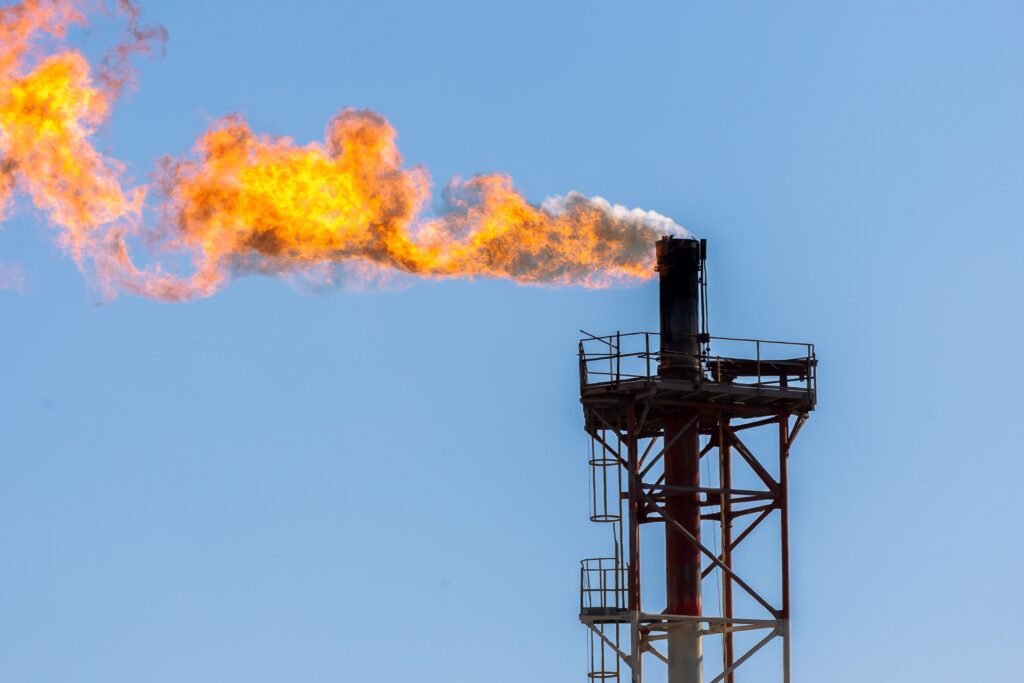
Methane is a high priority for rapid intervention. It remains in the atmosphere for less time than carbon dioxide but traps substantially more heat over shorter periods. Large oil and gas releases can sometimes be stopped by repairing equipment, changing operating practices or ending routine venting and flaring.
The technical improvement, however, exposes a governance problem. UNEP reported last year that only 12% of approximately 3,500 alerts had received a substantive response, although that was an improvement from 1% previously.
The International Energy Agency has consequently published a five-step framework for governments, covering receipt of notifications, identification of operators, operator response, verification and documentation. It concluded that the global response rate remained low even though prompt action had delivered successful mitigation in several countries.
The big-picture implication is that measurement is ceasing to be a credible excuse for inaction. Operators may dispute attribution or emission estimates in individual cases, but persistent large plumes can increasingly be observed independently and repeatedly.
That has consequences for regulation and trade. The EU is introducing methane requirements for imported fossil fuels, while investors and lenders are demanding more credible emissions data. Open satellite evidence could eventually support enforcement, procurement conditions and differentiated charges on gas with high upstream emissions.
For UK companies, particularly those buying LNG or operating overseas assets, methane performance is therefore becoming an externally observable operational metric rather than a self-reported sustainability claim.
AI has not solved methane emissions – it has solved part of the challenge of finding them quickly. The more consequential question is whether regulators will impose deadlines and consequences once an emitter has been shown where the leak is.