
- UK energy secretary Ed Miliband will frame the energy transition as a security imperative, arguing that reliance on fossil fuels leaves Britain vulnerable to geopolitical shocks and that “the era of fossil‑fuel security is over”.
- Miliband intends to speed up the Warm Homes Plan, expand solar installations on public land and delink gas and electricity prices to protect consumers.
- He rebuffs calls for new North Sea drilling, saying Britain “can’t solve a fossil fuel crisis with more fossil fuels”.
UK energy secretary Ed Miliband will tell industry this week that the country’s only route out of the oil price crisis unleashed by the Iran war is to embrace a rapid, security‑focused net‑zero transition.
In a speech previewed by The Guardian, Miliband argues that “the era of fossil‑fuel security is over”. He will warn that dependence on imported gas and oil leaves Britain exposed to geopolitical turmoil and price spikes, and that only domestically generated clean energy can provide long‑term stability.
Under the Labour government’s Warm Homes Plan, launched last year, households can secure grants for rooftop solar panels, insulation and heat pumps. Miliband wants to accelerate this programme, citing a surge in consumer uptake since the Middle East conflict erupted: Octopus Energy has reported a 50% jump in solar and heat‑pump sales.
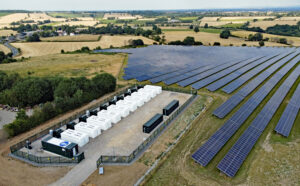
Miliband will also push forward previously floated proposals to expand solar farms on public land and to separate gas and electricity prices in wholesale markets to ensure volatile gas costs no longer dictate electricity bills. The latter could transform the way Britain’s wholesale market is set, reducing revenues for gas‑fired generators while making renewables more competitive.
Crucially, Miliband plans to reject calls for more North Sea drilling, arguing that increasing domestic fossil‑fuel output would do little to shield consumers from global price movements because the UK exports much of its oil and gas.
“You can’t solve a fossil‑fuel crisis with more fossil fuels,” he will say. Instead, he will double down on renewables, energy efficiency and electrification, emphasising that solar panels and heat pumps cannot be “turned off by foreign wars”.
Net‑zero agenda
Miliband’s remarks come amid broad public concern over energy bills. Petrol prices have surged to record highs following disruptions to Middle Eastern shipping and a de facto blockade of the Strait of Hormuz, while gas futures remain elevated.
By highlighting the link between energy security and decarbonisation, the minister hopes to win over sceptical voters and industry leaders who have questioned the pace of Labour’s net‑zero agenda.
Analysts say the proposed reforms could have far‑reaching effects. Decoupling power prices from gas would require market redesign and may prompt resistance from fossil‑fuel generators. Speeding up the Warm Homes Plan will boost demand for installers and manufacturers of heat pumps, solar panels and batteries, potentially creating tens of thousands of jobs. Yet the UK faces supply‑chain constraints and must expand workforce training to meet the surge.
Miliband’s line that clean energy “cannot be disrupted by foreign wars” echoes comments from International Energy Agency head Fatih Birol, who said the Iran crisis underscores the need to “double down on renewable energy and energy efficiency.”
By positioning the energy transition as a national security priority, the government hopes to galvanise cross‑party support and accelerate investment. The key question is whether the accelerated Warm Homes Plan and market reforms can be implemented quickly enough to shield consumers from another winter of price volatility.