
- Eku Energy has acquired the consented 300 MW / 600 MWh Didcot battery project from TBC Partners.
- The project has secured a Gate 2 connection offer and is expected to connect to National Grid’s upgraded Didcot substation in late 2028.
- Its location near the Culham AI Growth Zone links the expansion of battery storage with rising data centre electricity demand.
Eku Energy has acquired a ready-to-build 300 MW battery storage project in Oxfordshire as developers place increasing value on projects that have survived the UK’s reformed grid connection process.
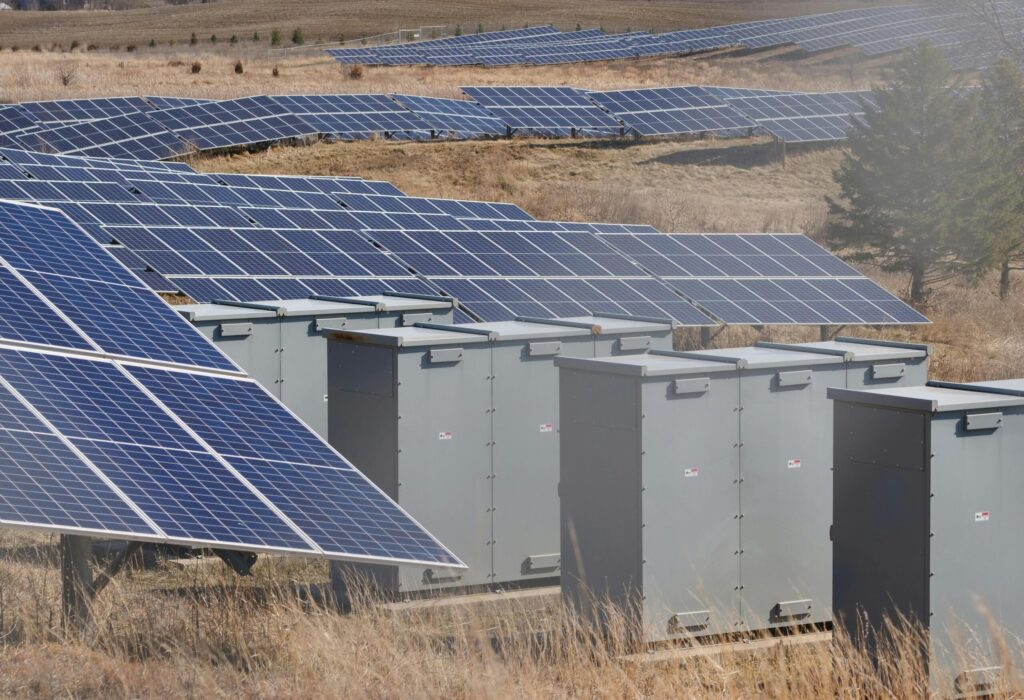
The Didcot battery energy storage system will be capable of storing 600 MWh, allowing it to discharge at full output for two hours. Financial terms of the acquisition from TBC Partners were not disclosed.
Construction is expected to begin later this year, with connection scheduled for late 2028. It will be Eku’s first directly transmission-connected project in the UK.
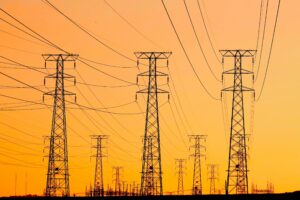
The battery will connect through an underground cable to National Grid’s 400kV Didcot substation, around two miles from the project site. National Grid began upgrading the facility last year with three additional bays, three supergrid transformers and a new 132kV indoor switchgear building.
The enlarged substation is intended to accommodate 650 MW of battery connections as well as new data centres. It is also approximately two miles from the Culham campus, which the government has designated as the UK’s first AI Growth Zone.
“Battery storage is an essential part of the UK’s energy infrastructure,” said Eku chief financial officer Erin Lee. “It provides all-important flexibility and storage capacity to store surplus energy and release it back on to the grid.”
Didcot has secured a Gate 2 offer under the National Energy System Operator’s TMO4+ connection reforms, preserving its connection point and 2028 delivery date. Gate 2 status is reserved for projects that can demonstrate progress including land rights, planning and alignment with the future needs of the electricity system.
Law firm TLT, which advised Eku, described Didcot as one of the UK’s most significant consented battery developments. The transaction involved the acquisition of TBC 001 Limited from TBC Partners and Ejon Limited.
The connection position is central to the project’s value. Britain’s former queue contained far more generation and storage capacity than the system could plausibly accommodate, allowing speculative projects to retain connection dates ahead of more advanced developments.
Under the reformed process, a consented project with a protected Gate 2 offer is materially closer to construction than one holding only development land and an indicative grid date.
Eku is owned jointly by British Columbia Investment Management Corporation and a fund managed by Macquarie Asset Management. It develops battery projects across the UK, Australia, Germany, Italy, Japan and New Zealand.
The company’s British portfolio includes the operational 40 MW Maldon battery and projects under construction at Basildon, Loudwater and Ocker Hill. The 300 MW Didcot development would be substantially larger than those assets.
Its acquisition also reflects the changing economics of the battery market. Revenue from early frequency-response services has become more competitive as capacity has expanded, increasing the importance of wholesale trading, the Balancing Mechanism and longer-term contractual arrangements.
Didcot’s two hour duration gives it enough capacity to shift electricity between periods of surplus renewable generation and peak demand. It could also provide rapid-response services when the transmission system is constrained.
The government’s Clean Power 2030 plan envisages 23-27 GW of battery capacity by the end of the decade, alongside longer-duration storage and consumer flexibility.
The proximity of storage and data centre development at Didcot is particularly significant. AI facilities increase continuous electricity demand, while batteries can help manage short-term peaks and network constraints. They cannot supply sustained power independently, meaning additional generation and network capacity will still be required.
Didcot’s commercial success will depend on construction costs and revenue contracting as well as its grid connection. The acquisition nevertheless shows how connection reform is concentrating investment around consented projects that can demonstrate a realistic route to operation.