
- ENGIE raised its 2026 earnings guidance after H1 EBIT excluding nuclear increased 3.3% to €5.3 billion.
- UK Power Networks contributed €180 million of EBIT between its acquisition on 7 May and the end of June.
- The £10.5 billion purchase has strengthened ENGIE’s regulated earnings but lifted economic net debt to €60.3 billion.
ENGIE has raised its full-year earnings guidance after strong gas trading and the first contribution from UK Power Networks helped offset weaker gas-fired generation and business energy supply.
The French utility reported first-half earnings before interest and tax excluding nuclear of €5.3 billion, up 3.3% from €5.1 billion a year earlier and 1.2% on an organic basis.
ENGIE now expects full-year EBIT excluding nuclear of between €9.2 billion and €10.2 billion, compared with its previous range of €8.7 billion to €9.7 billion. Guidance for net recurring income attributable to the group was increased from €4.6-5.2 billion to €4.9-5.5 billion.
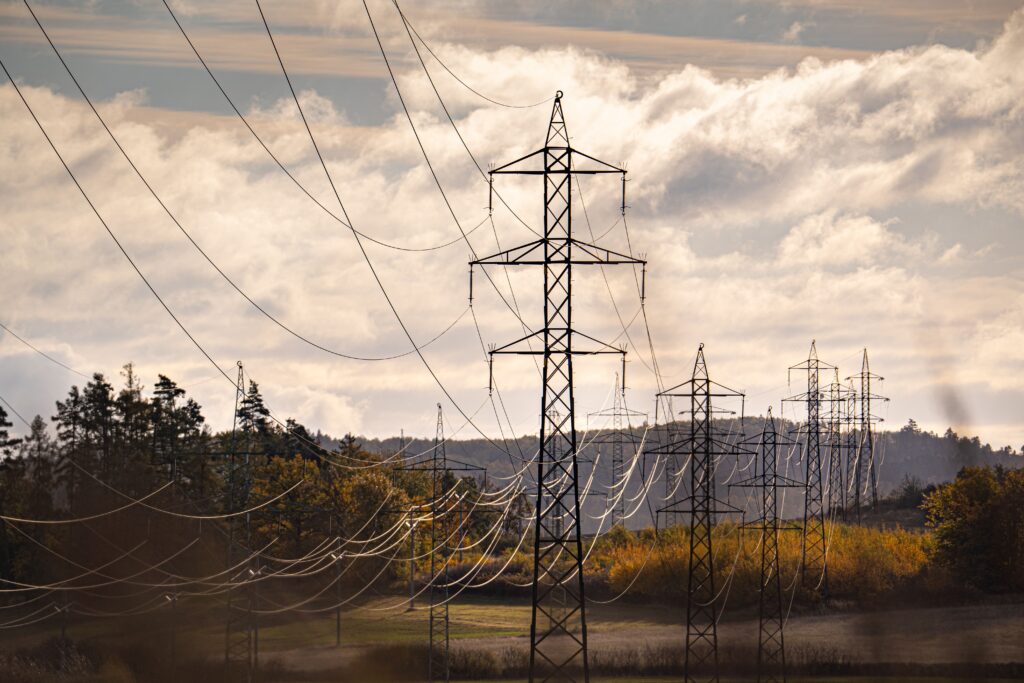
UK Power Networks contributed €180 million to EBIT following completion of the acquisition on 7 May, almost two months earlier than ENGIE had originally expected. The business operates electricity distribution networks serving 8.5 million customers across London, the South East and the East of England.
Infrastructure EBIT increased 13.3% to €2.22 billion, with power network earnings almost tripling from €114 million to €320 million. Alongside the UK acquisition, the division benefited from inflation-linked tariffs in Latin America and stronger gas network performance.
The group’s energy management business also performed strongly as disruption in the Middle East increased gas market volatility. EBIT from energy management rose 42.7% to €530 million, supported by favourable trading conditions and the renegotiation of gas contracts.
These gains concealed weaker results elsewhere. EBIT from ENGIE’s renewable and flexible power division fell 8.5% to €1.82 billion. Earnings from renewables and battery storage grew 2.8% organically, but gas generation EBIT dropped 22.3% as European generation margins normalised from elevated levels.
Business energy supply earnings also fell 39.4%, reflecting lower margins on contracts agreed during earlier periods of extreme price volatility.
ENGIE shares rose around 5% following the results, with investors responding to the upgraded guidance and resilience of its trading and infrastructure operations.
Chief executive Catherine MacGregor said “the need for resilient low-carbon power, networks and flexibility continues to grow” as energy sovereignty and electrification become more important to governments and industry.
ENGIE ended June with 59.5 GW of renewable and battery capacity, up 2.4 GW since the end of 2025, with 6.4 GW under construction. It signed power purchase agreements covering 2.4 GW during the half year, twice the volume secured during the equivalent period of 2025.
Data centres are emerging as another important growth market. ENGIE’s pipeline reached 7 GW of potential data centre load, including 4 GW of projects at an advanced stage. It has already secured 47% of its target to supply 50TWh annually to technology and data centre customers by 2030.
The balance sheet cost of expansion is substantial. ENGIE paid £10.5 billion for UK Power Networks, implying an enterprise value of £15.8 billion. Economic net debt increased by €15.1 billion to €60.3 billion, while the economic net-debt-to-EBITDA ratio rose from 3.1 to 4.2 times.
That leverage figure includes the acquisition cost but only two months of UK Power Networks earnings. ENGIE expects the ratio to fall below four times once a full year of income is included.
The purchase nevertheless represents a structural change in ENGIE’s business. Regulated networks offer returns linked to long-term investment requirements and customer growth, reducing dependence on wholesale power prices and renewable development margins.