
- Romania has shut one Cernavodă reactor and used controlled explosions to improve cooling water flows to the remaining unit.
- Hungary’s 2 GW Paks nuclear plant was operating at only 240 MW, while voluntary power cuts reduced national demand by about 700 MW.
- The crisis shows that firm low-carbon generation requires more climate-resilient cooling, stronger interconnection and credible demand-response plans.
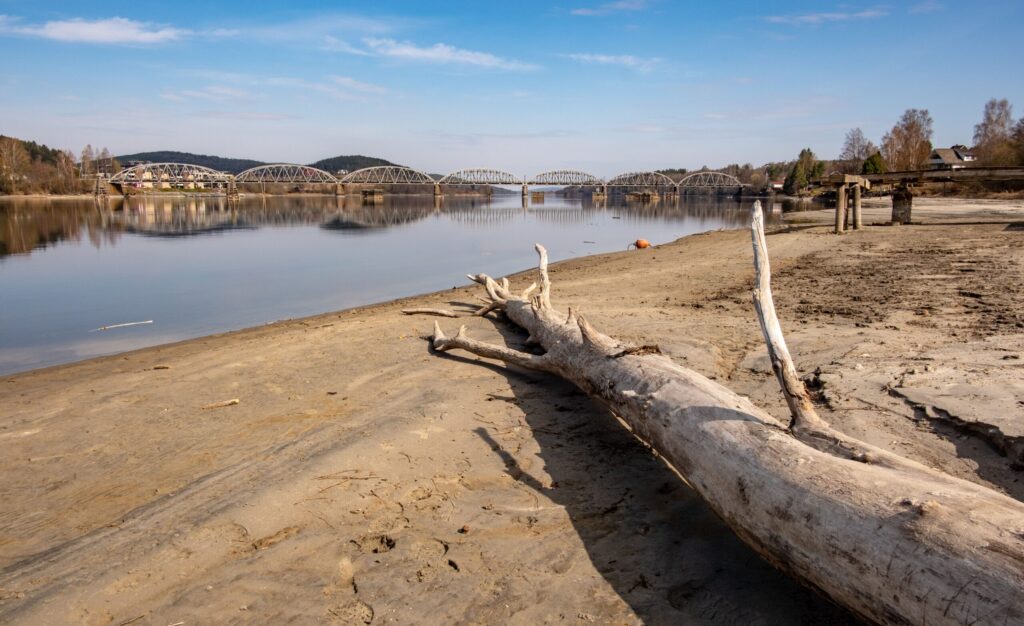
Record-low water levels in the Danube have forced Romania and Hungary to curtail nuclear generation, halt industrial production and appeal for lower electricity use as prolonged drought triggered a regional energy emergency.
Romanian naval forces used controlled explosions on Monday to remove a rock outcrop and redirect more water towards the Cernavodă nuclear plant. The operation is intended to support construction of a temporary dam that will send additional cooling water into the channel serving the station’s remaining reactor.
State-owned operator Nuclearelectrica had already carried out a controlled shutdown of Unit 1, while Unit 2 remained connected to Romania’s national electricity system. Under normal conditions, the two-reactor plant supplies about one fifth of the country’s electricity.
Defence minister Radu Miruta said every additional operating day beyond the middle of this week would represent a gain, because the electricity produced would be worth several times the cost of the emergency engineering work.
Romania has also turned to demand reduction. Renault-owned Dacia and Ford have agreed to suspend vehicle production until 19 August, cutting power use by around 200 MW. Prime Minister Ilie Bolojan said the drought’s impact had been intensified by weak cross-border connections, adding that Romania had “limited import capacity”.
Hungary faces an even more concentrated risk. Paks, its only nuclear power station, normally provides close to half of national electricity generation. Its four reactors, with combined capacity of about 2 GW, were producing just 240 MW on Monday as falling Danube levels restricted access to cooling water.
Prime Minister Péter Magyar said the remaining turbine might continue operating for another day or two, temporarily averting the first complete shutdown of the plant in its 44-year history.
Appeals to households and businesses cut Hungarian electricity demand by approximately 700 MW on Sunday. Pharmaceutical company Richter said it would reduce its consumption by more than half for three weeks and make about 4 MW of power from its solar park available each day.
Rising operational risk
The effects stretch beyond the two nuclear-dependent countries. Hydroelectric production has also fallen sharply in Serbia, while low river levels are restricting freight movements and other industrial activity across central and eastern Europe.
The episode does not invalidate nuclear power’s role as a firm, low-carbon generation source. But it does highlight a critical vulnerability: a reactor may be fuel-secure and weather-independent at the point of generation, but its availability can still depend on sufficient volumes of cooling water at acceptable temperatures.
International Atomic Energy Agency analysis has warned that nuclear plants in areas of high water stress face increasing operational risks, particularly where once-through or river-dependent cooling systems are exposed to drought and rising water temperatures.
Adaptation options include alternative cooling technology, larger operating margins and more detailed integration of water risk into site design.
The UK’s large operating and planned nuclear stations are predominantly coastal, meaning the situation does not directly compare with Europe’s Danube-cooled plants. The more relevant UK lesson concerns system design. Firm generation still needs diversified capacity, resilient cooling arrangements, sufficient interconnection and industrial demand that can respond quickly during emergencies.
Romania’s need to stop car production is the clearest warning. When generation shortages begin determining whether factories can operate, climate resilience has become an immediate industrial policy issue rather than a distant environmental consideration.