Tamboran expects to begin selling 40 terajoules of gas a day from Shenandoah South in September, with Beetaloo Energy targeting another 15TJ/d later in 2026.
The basin contains an estimated 7 trillion cubic feet of gas, but large-scale exports would require billions of dollars of pipelines and sustained reductions in drilling costs.
The pilot may prove the geology, but it will not settle the basin’s climate, water and Indigenous rights controversies.
Australia is expected to begin commercial sales of shale gas from the Beetaloo Basin next month, opening a real-world test of whether the remote Northern Territory resource can support a development comparable to major US shale plays.
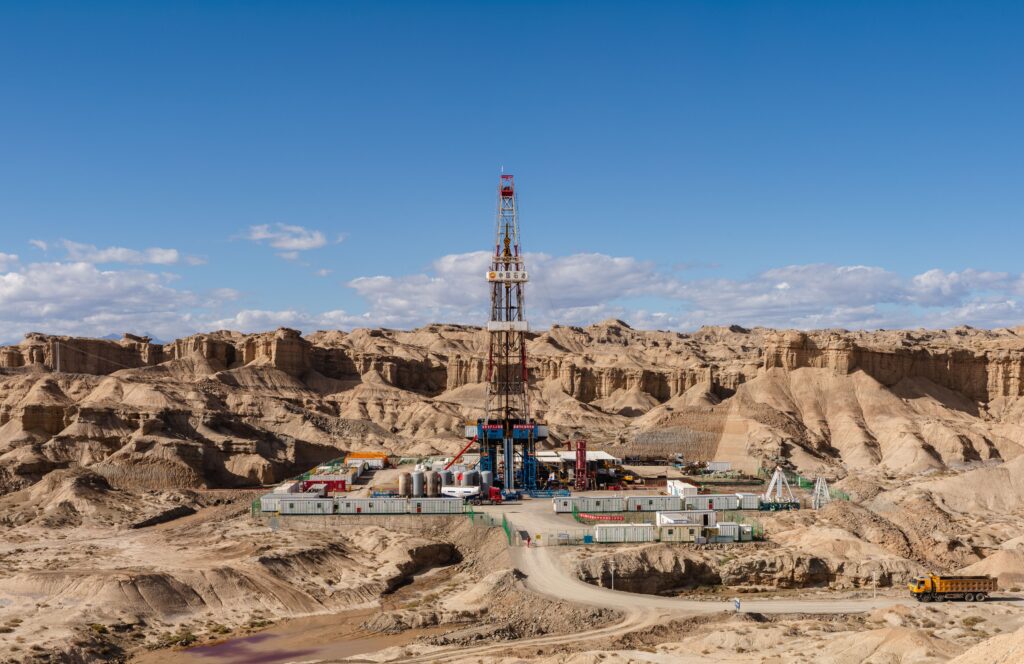
Tamboran Resources plans to deliver an initial 40 terajoules, or approximately 37 million cubic feet, per day from its Shenandoah South pilot to the Northern Territory government. Beetaloo Energy is expected to add another 15TJ/d later this year.
The combined production would be enough to cover daily demand around Darwin, about 500 km north of the basin. It will also provide the first sustained data on well productivity and decline rates, which are critical to determining whether development can scale economically.
Geoscience Australia estimates that the Beetaloo contains approximately 7 trillion cubic feet of gas. Tamboran chief executive Todd Abbott has said the company aims to exceed 1 billion cubic feet a day within a decade, a volume that could increase Australia’s LNG export capacity by about 9%.
That ambition is far removed from the pilot. Tamboran and its partners have already spent around A$1 billion on exploration and appraisal, while new pipelines to the east coast or LNG plants would cost billions more.
The company completed its largest stimulation campaign in July, placing 178 hydraulic fracturing stages across roughly 30,000 feet of the Mid Velkerri B shale. Five wells are being tied into the Sturt Plateau Compression Facility as part of an A$141 million programme.
“We remain on track to deliver first gas sales… in 3Q 2026,” Abbott said in Tamboran’s announcement.
Geology, infrastructure and politics
The Beetaloo is frequently compared with the prolific Marcellus formation in the US, but its rocks are much older, harder and more compacted. It also lacks the pipelines, roads and established service industry that helped US shale scale.
Operators are importing American equipment and expertise while seeking local cost reductions. Tamboran has begun testing locally sourced “Beetaloo Red” sand for hydraulic fracturing. Beetaloo Energy estimates that local sand could reduce transport costs by A$5 million per well, or about 15%.
The project has attracted international capital. US service company Liberty Energy is supporting Tamboran’s drilling programme, while Japan’s Inpex has acquired a position in other Beetaloo acreage. Asian buyers provide a plausible long-term market because existing Darwin LNG infrastructure may eventually need replacement supply.
Yet the development remains politically contentious. Environmental groups and some traditional owners oppose fracking because of water, land and climate risks, although Tamboran obtained Native Title Holder consent for the pilot gas sales.
Australia also requires commercial Beetaloo production to achieve net-zero Scope 1 operational emissions. That condition does not cover the much larger emissions created when the gas is burnt.
New federal policies further complicate the demand case. Australian LNG projects must reserve 20% of gas for the domestic market, while data centres are expected to rely primarily on renewable electricity. Both requirements limit the unconstrained export and gas-fired computing narratives advanced by some regional supporters.
Beetaloo is principally a medium-term LNG market story. If the basin reaches scale, additional Australian exports could improve liquidity and competition in Asia, indirectly freeing cargoes for Europe. It will not provide near-term relief to import-dependent Britain: geology, pipelines, finance and political consent must all be resolved first.
This makes the first 40TJ/d significant as a technical and commercial experiment, not evidence that an Australian shale revolution has already arrived. The next questions are how quickly the wells decline, what repeat drilling costs and whether investors will fund the infrastructure needed to turn a remote pilot into an internationally relevant gas province.