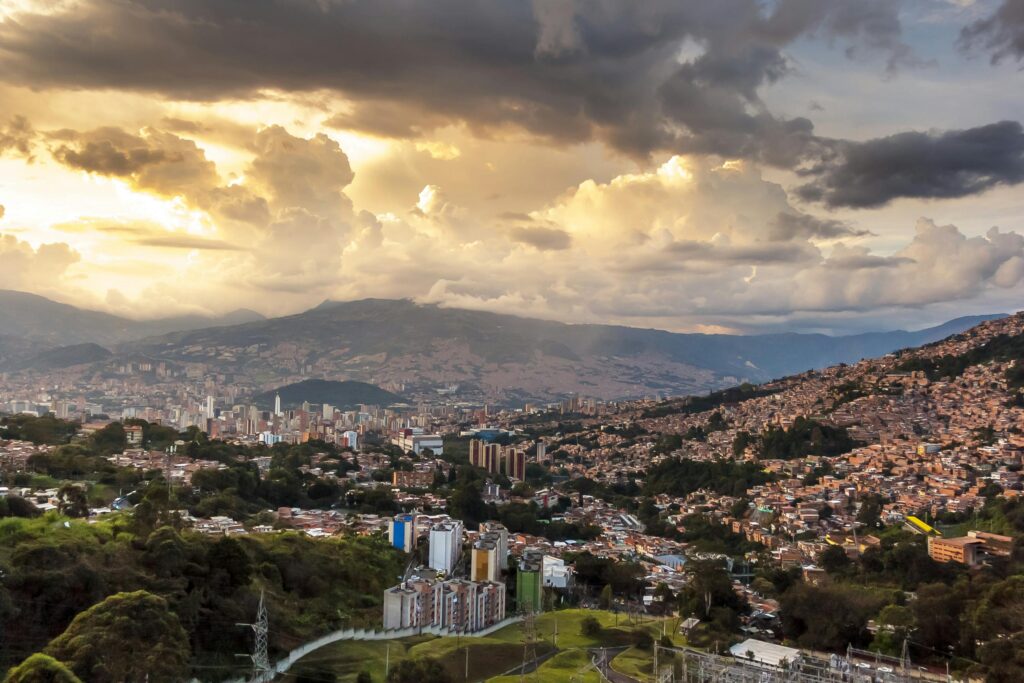
- Around 50 countries have gathered to discuss the phase-out of fossil fuels in Santa Marta, Colombia.
- The summit operates outside of the formal UN COP process, but aims to build momentum for energy transition commitments.
- The event will see limited participation from major producers.
A coalition of around 50 countries is gathering in Colombia this week to discuss pathways to reduce global dependence on fossil fuels, in a move that reflects growing frustration with the pace of formal climate negotiations.
The summit, reported by Associated Press, brings together governments seeking to accelerate the transition away from coal, oil and gas outside the constraints of the UN COP framework.
While the talks are not expected to produce binding agreements, they are intended to build political momentum and align positions ahead of future international negotiations.
The initiative highlights a shift in climate diplomacy. With consensus increasingly difficult to achieve at global summits, smaller coalitions of willing countries are emerging as a way to drive progress.
However, the absence of major fossil fuel producers limits the immediate impact of the discussions. Countries heavily dependent on oil and gas revenues are unlikely to commit to rapid phase-out timelines without significant financial support and economic diversification strategies.
For participating nations, the focus is likely to be on cooperation, knowledge sharing and signalling intent rather than concrete policy commitments.
The broader significance lies in the direction of travel. Even as geopolitical tensions complicate global cooperation, the pressure to address fossil fuel dependence is intensifying.
For the UK and other advanced economies, the challenge is to balance leadership with pragmatism. Supporting global transition efforts requires not only domestic decarbonisation but also engagement with emerging markets and producers.
The Colombia summit may not deliver immediate breakthroughs, but it reflects an evolving landscape in which climate action is being pursued through multiple channels – formal and informal, global and regional.