
- The European Commission wants to move beyond matching buyers and sellers by appointing a market operator to procure energy collectively.
- Brussels will offer exporters one year of flexibility on methane requirements and open talks with European refiners, although the legal route for delaying binding rules remains unresolved.
- The package combines immediate fossil fuel intervention with a longer-term plan to double electricity’s share of final consumption by 2040.
The EU is preparing to use its collective purchasing power more aggressively in energy markets as renewed geopolitical disruption exposes the bloc’s continuing dependence on imported fossil fuels.
Commission president Ursula von der Leyen told the European Parliament on Tuesday that Brussels would establish a taskforce to aggregate energy demand before appointing a market operator to conduct joint procurement. She also promised a strategic dialogue with European refiners and one year of flexibility for exporters affected by the EU Methane Regulation.
The measures respond to a sharp deterioration in Europe’s energy position. Von der Leyen said gas prices had risen 140% since the end of February, diesel prices had doubled and the bloc had spent an additional €100bn on fossil fuel imports without receiving more energy in return.
The refinery discussions, to be led by energy commissioner Dan Jørgensen and defence commissioner Andrius Kubilius, will address both cost and security of supply, including fuel requirements for defence.
The proposed purchasing mechanism represents a significant escalation from AggregateEU, the platform created after Russia’s invasion of Ukraine. That system aggregated 90bn cubic metres of gas demand and matched 77bn cubic metres with suppliers between 2023 and 2025, but generally stopped short of buying on participants’ behalf. The new model would move “from simple matchmaking” to procurement by a designated operator, according to von der Leyen’s speech.
Details remain scarce. Brussels has not named the operator, defined which energy products will be covered or explained how purchase commitments and credit risk will be allocated among participating companies and governments.
Methane concession carries legal uncertainty
Von der Leyen said the EU would give exporters “flexibility… for one more year” on methane, reducing compliance costs during the crisis. The intervention appears aimed at monitoring, reporting and verification requirements that are scheduled to apply from January 2027 to oil, gas and coal supplied under relevant contracts.
However, political flexibility is not yet a legal postponement. The deadline is fixed in Regulation 2024/1787, and the Commission acknowledged at its 5 October press briefing that it cannot move it autonomously. A formal delay would require a legislative proposal and agreement from the European Parliament and member states.
Alternatively, Brussels could rely on enforcement discretion: its own guidance says countries may delay penalties where these would endanger energy security, but that does not remove the underlying obligations.
The concession therefore reduces near-term supply risk while creating uncertainty for traders and producers that have already invested in compliance. It also illustrates the central tension in the package: Europe is trying to impose environmental conditions on imported hydrocarbons while remaining dependent on the exporters subject to those conditions.
Bridge to electrification
Electricity accounts for less than 25% of EU final energy consumption; Brussels wants to double that share by 2040, which it estimates could reduce annual fossil fuel imports by €260bn. More than 80 GW of renewable capacity was installed last year, but six times that amount is waiting for a grid connection.
For UK companies, the immediate implication is competitive. A coordinated EU buyer could command better terms and, during shortages, potentially outbid smaller purchasers. Britain will remain connected to the same gas, power and refined product markets without being represented inside the procurement structure.
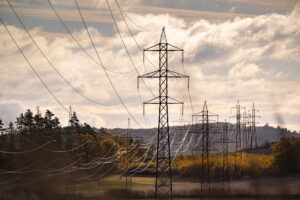
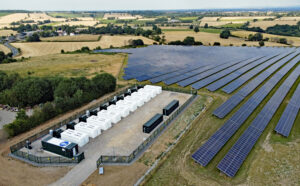
The longer-term signal is more positive for UK electricity exporters, interconnectors and clean technology suppliers. Brussels is explicitly treating grids, storage and electrification as energy security assets rather than solely climate infrastructure.
The package’s credibility will nevertheless depend on whether those investments advance quickly enough to ensure today’s methane concession remains temporary rather than establishing a pattern of retreat whenever fossil fuel markets tighten.