
- Southeast Asian electricity demand is forecast to increase by an average 5.4% annually between 2026 and 2030.
- Falling domestic oil production and growing LNG imports are increasing exposure to fuel price shocks and maritime chokepoints.
- The IEA’s prescription – electrification, efficiency, strategic stocks and regional power trading – creates both competition and opportunity for UK energy businesses.
Southeast Asia’s energy security risks are increasing faster than its ability to manage them, the International Energy Agency (IEA) has warned, as rising electricity consumption collides with greater dependence on imported oil and liquefied natural gas.
The agency’s new ASEAN Energy Security Review finds that per-capita energy demand has increased by almost 30% over the past decade. Electricity demand is expected to grow by an average 5.4% a year between 2026 and 2030, driven by industrialisation, air conditioning, urbanisation and data centres.
At the same time, regional crude production has fallen 40% from its 1990s peak. Several countries are becoming more reliant on global LNG markets, while fuel supply routes remain concentrated around strategic maritime passages.
This year’s disruption to flows through the Strait of Hormuz has exposed the consequences: shortages, higher import costs and emergency measures ranging from fuel subsidies and conservation campaigns to greater coal use.
“Southeast Asia is one of the world’s most dynamic regions,” IEA executive director Fatih Birol said, but its growing energy requirements face an “increasingly uncertain global energy landscape”. The agency calls for security to be embedded across oil stocks, gas infrastructure, power networks and energy efficiency.
Missing regional architecture
The review recommends greater supply diversification, stronger strategic reserves, clearer emergency procedures and regular exercises to test national responses. It also advocates faster electrification and energy efficiency improvements that reduce the volume of imported fuel required in the first place.
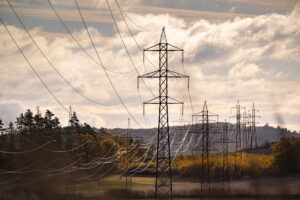
Regional electricity trading is potentially the most transformative, and most challenging, recommendation. ASEAN countries have complementary demand profiles and renewable resources, meaning interconnection could move surplus hydro, solar or wind power across borders and reduce the generation capacity each country must hold individually.
Yet ASEAN still lacks a genuinely integrated power system. Most existing connections were built for one-way bilateral exports rather than dynamic, multidirectional trade. Countries also have different market structures, tariff methodologies and rules governing third-party grid access, while territorial disputes add political risk.
A separate IEA assessment estimates that the ASEAN Power Grid needs $27bn of cross-border interconnector investment by 2040. Total grid expansion and modernisation requirements exceed $300bn over 2025-2040, with renewables expected to account for three quarters of new generation capacity under existing policies. Only about $2bn has been invested in cross-border links over the past five decades, according to the IEA’s financing review.
Coal complicates the transition. It is domestically available in several countries and can offer short-term insulation from LNG price shocks, but locks in carbon emissions and severe air pollution costs. The IEA therefore argues that energy security cannot be managed fuel by fuel: cheap domestic coal may address one vulnerability while creating environmental, health and future trade risks elsewhere.
Internation competition
The most immediate global consequence is competition for internationally traded gas. Rapidly growing Asian LNG demand can tighten Atlantic markets and raise the marginal cost of gas in the UK even when storage and infrastructure are adequate.
The investment opportunity is equally significant. ASEAN requirements align with UK capabilities in offshore and subsea engineering, high-voltage equipment, insurance, project finance, electricity market design and renewable forecasting. However, the bankability of cross-border projects will depend on standardised trading agreements and credible allocation of political, currency and offtaker risk.
Critical minerals add another connection. Southeast Asia is an important producer and processor of materials used in batteries and clean energy equipment, but the IEA warns that concentrated processing capacity and weak emergency planning create new vulnerabilities even as fossil fuel exposure falls.
The report’s broader message is that the transition and energy security are no longer separate agendas. For ASEAN countries, electrification can reduce the import bill, but only if grids, flexible generation and regional institutions are built alongside new renewable capacity. That is a lesson with obvious resonance for the UK’s own struggle to connect and efficiently use its expanding wind fleet.