
- Copenhagen Infrastructure Partners has acquired 25% of the consented Five Estuaries offshore wind project.
- The transaction follows EDF’s acquisition of RWE’s stake, bringing a new combination of investors to the development.
- The ownership changes strengthen the project’s delivery resources, while construction investment still depends on commercial and financing milestones.
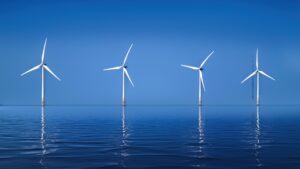
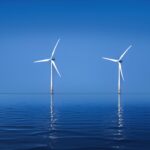
Copenhagen Infrastructure Partners (CIP) has acquired a 25% stake in the Five Estuaries offshore wind project, adding a major infrastructure investor to a UK development capable of providing up to 1,080 MW of generating capacity.
The acquisition, announced on 13 October, was made through Copenhagen Infrastructure V, CIP’s fifth flagship fund. The interest was previously held by a Macquarie-led consortium. Financial terms were not disclosed.
Five Estuaries is located approximately 40 km off the north Essex and south Suffolk coast and received development consent in December 2025. CIP joins EDF power solutions, with 33.33%, alongside ESB and Sumitomo Corporation, each holding 20.83%.
The deal follows a separate ownership change announced on 8 October, when RWE confirmed completion of the sale of its 33.33% interest to EDF. RWE said EDF would take the lead in developing the project and that it would reinvest the proceeds in its own consented offshore wind portfolio.
“Offshore wind offers the UK a golden opportunity to deploy clean, home-grown energy at scale,” Kunal Patel, a partner at CIP, said in the company’s announcement.
The partners said work following consent had included further design, early procurement and engagement with landowners and communities.
The construction test
The arrival of CIP is significant because a consented offshore wind project still requires substantial work before it can become an operating asset. Investors must assemble a commercial proposition that can support construction expenditure and withstand changes in costs, delivery schedules and financing conditions.
A shareholder acquisition demonstrates willingness to take exposure to that process. It does not, by itself, establish that construction financing has been secured or that a final investment decision has been taken. The announcement did not disclose either milestone.
That distinction is particularly relevant for the UK supply chain. A project of this scale can generate opportunities across engineering, marine services, electrical equipment and operations, but suppliers need to understand when procurement will become contractual and how firmly the programme is funded.
Early engagement can help businesses prepare bids and identify capacity requirements. Committing expensive equipment or expanding facilities solely on the strength of an ownership announcement would carry a different level of risk.
The revised consortium offers a combination of infrastructure investment experience and utility involvement. In principle, that can help distribute development responsibilities and bring different perspectives to financing and operation. Its practical value will emerge through decisions on revenue arrangements, procurement strategy and construction risk.
Project economics will also depend on coordination. Turbine delivery, offshore installation and grid availability must fit together closely enough to avoid equipment sitting idle or completed generation waiting for an export route. Strong investors cannot remove those dependencies, although they may be better placed to manage them.
The transaction is evidence that a consented UK offshore wind project can attract a substantial new investor. But with wider sectoral cost and delivery pressures remaining, it remains to be seen how the partners’ progress towards investment approval and the emergence of firm delivery commitments.
Until then, Five Estuaries represents a sizeable consented development with refreshed ownership and continuing preparatory work. The commercial opportunity is considerable, but its contribution to UK electricity supply will depend on converting those advantages into a funded construction programme.