
- Spain has approved a transmission investment plan exceeding €17bn alongside new sustainability requirements for large data centres.
- The rules require 80% renewable electricity with hourly matching, subject to additionality provisions and a transitional alternative.
- The package could create demand for renewable supply and storage, although opposition has introduced further uncertainty for developers.
Spain has approved new requirements tying large data centres’ grid access to renewable electricity consumption, alongside a transmission development plan intended to accommodate a substantial expansion in demand by 2030.
The cabinet’s Friday decisions connect two increasingly contentious questions in European energy policy: how quickly networks should expand to support electrification and what obligations should fall on major new electricity users.
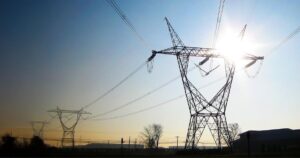
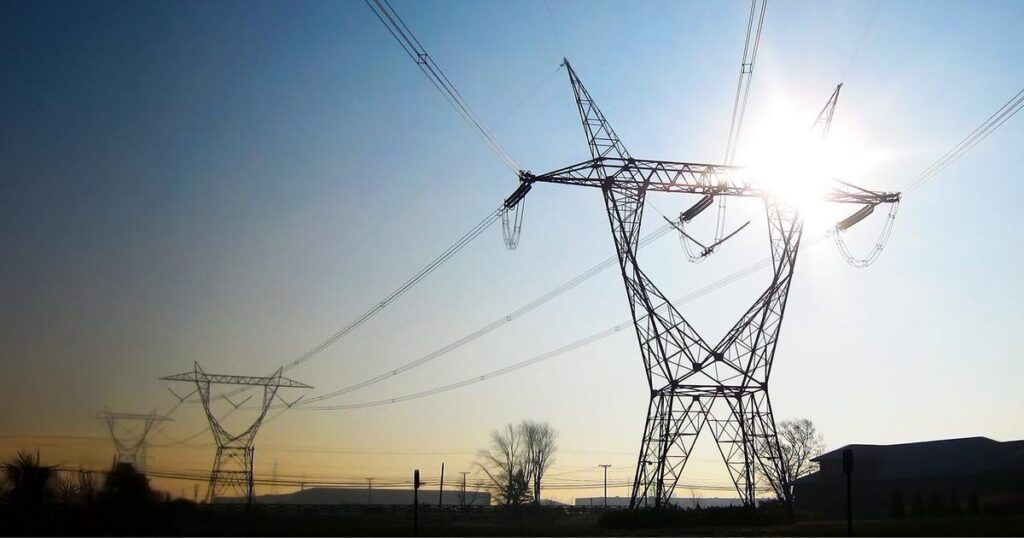
The binding transmission plan provides for more than €17bn of investment and is designed to accommodate 47 GW of additional demand across transmission and distribution networks. It includes new substations, approximately 6,700km of new lines and capacity increases on more than 8,100km of existing lines.
The accompanying data centre decree establishes energy requirements for facilities above 10 MW seeking electricity access and connection rights. Its central provision requires operators to justify 80% renewable consumption with hourly correlation, moving beyond an annual accounting approach.
Additionality rules generally link that supply to generation commissioned no more than 36 months before the data centre begins operating, although exceptions include solar photovoltaic installations, certain biomass facilities and repowering projects. The framework recognises self-generation, storage and supply contracts lasting more than six years.
International pressures
The decree includes a five-year transitional alternative for centres participating in an automatic power reduction system with priority disconnection. Under that route, lower renewable thresholds apply during specified periods, making flexibility part of the bargain for access to electricity.
Non-compliance can trigger compensatory payments and, in serious cases, suspension of access and connection rights for up to three years. Projects already progressing through the system face deadlines to adapt or relinquish their rights under the specified arrangements.
The government argues that unrestricted growth in relatively constant data centre demand could require more gas-fired generation and raise costs for other users.
The response illustrates the difficulty of imposing new conditions on a sector competing for international investment. Madrid’s regional government said it would challenge the decree in court, seek interim measures and take its objections to European institutions, arguing that it infringed regional powers. Those announced challenges add legal uncertainty before their outcome is known.
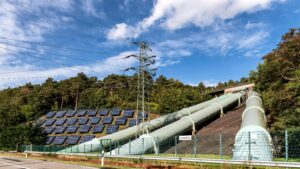
For renewable developers, hourly matching could make the timing of output more valuable. A contract covering an equivalent annual volume of electricity may leave substantial gaps overnight or during periods of weak generation, creating a potential role for complementary technologies, storage and more sophisticated supply portfolios.
That opportunity comes with costs. Additionality requirements can narrow the eligible supply pool, while long contracts expose both buyers and generators to decisions about pricing and performance over several years.
It will be interesting to observe how Spain balances these competing pressures. The package offers a concrete example of governments treating large new loads as participants in electricity system development, with obligations that extend beyond securing a connection.
The success of the endeavour will depend on whether network construction and eligible renewable supply advance quickly enough to make compliance achievable without deterring the demand those investments are intended to serve.